Capcom Is Poised for a Stellar 2026 With Pragmata and the Return of Onimusha

While Capcom’s most hype-inducing announcement at Summer Game Fest 2025 – indeed, arguably the biggest announcement of the whole weekend – was the official reveal of Resident Evil Requiem, it brought plenty of additional heat to the multi-day event. The Japanese publisher also provided an extended sneak peek of next year’s hack-and-slash samurai title Onimusha: […]
The post Capcom Is Poised for a Stellar 2026 With Pragmata and the Return of Onimusha appeared first on Den of Geek.
This article contains spoilers for The Bear season 4.
The Bear has so many characters that it sometimes feels like creator Christopher Storer is performing a high-wire circus act, trying to give everyone the proper amount of screentime in each 30-ish minute episode. The series’ lead is Jeremy Allen White’s Carmy Berzatto, but much like some of the show’s spiritual predecessors, the supporting stars are often the ones who produce the most visceral emotional connections between the story and the audience.
Carmy’s cousin (this term being the Berzatto family’s loose description for every close or even not-so-close friend or acquaintance), Richie Jerimovich (Ebon Moss-Bachrach), is the most compelling and relatable person in the restaurant show’s canon of lovable misfits. Richie originally worked with Carmy’s brother, Michael (Jon Bernthal), back when the outfit was just a modest sandwich joint. Richie is the awkward connective tissue between Carmy and his brother, the person who knew Mikey better than Carmy.
cnx({
playerId: “106e33c0-3911-473c-b599-b1426db57530”,
}).render(“0270c398a82f44f49c23c16122516796”);
});
Richie’s journey often gets overlooked in the show or sidelined for someone else’s story, but when the series decides to let him become the main event of an episode or a scene, it usually produces some of the most magical TV we’ve seen in recent years. Moss-Bachrach portrays Richie’s trauma with a healthy dose of reserved chaos, so to speak, especially since he went to train at a fine dining establishment in anticipation of the Bear’s opening at the end of season 2.
“Forks” was the episode in which Richie’s potential was realized, but his scenes since that powerhouse half-hour have been a mixture of bottled-up anxiety and quick retorts to those who have more important things to do, both in the restaurant and outside of it. Richie’s story asked us a lot of questions, but it rarely provided the answers we were looking for throughout season 3.
Much like the series did for a lot of its ambiguous plot lines in season 4, The Bear gave Richie the requisite time to work through his past and look to the present with greater focus. Richie’s ex-wife’s wedding is a main focus throughout the first seven episodes, culminating in a therapeutic marital super-event with nearly every character that has ever been involved in the Berzatto family’s inner circle.
Richie still loves Tiff (Gillian Jacobs), but sometimes that isn’t enough to make a relationship work. Seeing Richie support his former partner and encourage her to find happiness in a new marriage was a mature and thoroughly satisfying development for Richie. The scene in which he tries to help Tiff’s groom, Frank (Josh Hartnett), find common ground with his own daughter elevates the character into a grown adult. Richie often behaves like a kid, whether it be yelling when he doesn’t agree with someone or undermining Carmy for a petty or resentful reason. He doesn’t want to see another man steal his child, but he can let go because he’s much more secure in himself than he was back in season 1 or even season 2.
Richie’s progression into one of the main cogs in the restaurant has coincided with his ability to look inward and take pride in his own growth. He has confidence in himself now, and he’s a perfect encapsulation of how a man can use self-esteem to treat himself and others with the respect they deserve. But despite how far Richie has come, his relationship with Carmy was still holding him back heading into the season 4 finale.
“Goodbye” is a good episode for the first half of its runtime, but the second Richie comes out to the back of the restaurant to find out that Carmy is leaving the Bear, is when the finale explodes into something truly memorable. So much has gone unsaid between these two in their love-hate interactions for the past couple of seasons. They usually decide to just stay silent for the sake of not screaming their heads off, but an admission from Carmy that he attended Mikey’s funeral is enough to both hurt and then heal something deep within Richie’s soul.
Richie feels everything and wears so many emotions on his face (this is true of many of the characters, but the most so with him). Moss-Bachrach lets us inside Richie’s rainbow of emotions by swearing his allegiance to Sydney (Ayo Edebiri) at the end of the scene. He forgives Carmy for his past sins, but also is able to slay that dragon in his mind because he’s been freed from Carmy’s shadow. Richie is a follower, but now he can lead in his own way without Carmy commanding him or lording over the business.
The Bear’s decision to thrust Syd and Richie into the dynamic duo that will carry the restaurant into its final form is a brilliant one that understands just how vital these two secondary characters are to both the people in the series and to the viewers watching. Richie fans sometimes felt left out last season, but season 4 resulted in a long-awaited payoff for the show’s lovable underdog. The buzzer may have sounded as the credits rolled, but Richie’s revitalization is just getting started. Are we thrilled about this? Hell yes, chef!
All 10 episodes of The Bear season 4 are available to stream on Hulu now.
The post The Bear Season 4 Finally Lets Richie Shine appeared first on Den of Geek.
This Is Spinal Tap Director Rob Reiner On The Real Story of a Mockumentary Classic

A 4K restoration re-release and a long-awaited sequel to This Is Spinal Tap, a mockumentary about a very punctual band, are arriving in the nick of time. A single pierce from an amplified instrument can infuse musicians with the blood of rock and roll. Director Rob Reiner’s sonic infection took a lumbar puncture. In his […]
The post This Is Spinal Tap Director Rob Reiner On The Real Story of a Mockumentary Classic appeared first on Den of Geek.
This article contains spoilers for The Bear season 4.
The Bear has so many characters that it sometimes feels like creator Christopher Storer is performing a high-wire circus act, trying to give everyone the proper amount of screentime in each 30-ish minute episode. The series’ lead is Jeremy Allen White’s Carmy Berzatto, but much like some of the show’s spiritual predecessors, the supporting stars are often the ones who produce the most visceral emotional connections between the story and the audience.
Carmy’s cousin (this term being the Berzatto family’s loose description for every close or even not-so-close friend or acquaintance), Richie Jerimovich (Ebon Moss-Bachrach), is the most compelling and relatable person in the restaurant show’s canon of lovable misfits. Richie originally worked with Carmy’s brother, Michael (Jon Bernthal), back when the outfit was just a modest sandwich joint. Richie is the awkward connective tissue between Carmy and his brother, the person who knew Mikey better than Carmy.
cnx({
playerId: “106e33c0-3911-473c-b599-b1426db57530”,
}).render(“0270c398a82f44f49c23c16122516796”);
});
Richie’s journey often gets overlooked in the show or sidelined for someone else’s story, but when the series decides to let him become the main event of an episode or a scene, it usually produces some of the most magical TV we’ve seen in recent years. Moss-Bachrach portrays Richie’s trauma with a healthy dose of reserved chaos, so to speak, especially since he went to train at a fine dining establishment in anticipation of the Bear’s opening at the end of season 2.
“Forks” was the episode in which Richie’s potential was realized, but his scenes since that powerhouse half-hour have been a mixture of bottled-up anxiety and quick retorts to those who have more important things to do, both in the restaurant and outside of it. Richie’s story asked us a lot of questions, but it rarely provided the answers we were looking for throughout season 3.
Much like the series did for a lot of its ambiguous plot lines in season 4, The Bear gave Richie the requisite time to work through his past and look to the present with greater focus. Richie’s ex-wife’s wedding is a main focus throughout the first seven episodes, culminating in a therapeutic marital super-event with nearly every character that has ever been involved in the Berzatto family’s inner circle.
Richie still loves Tiff (Gillian Jacobs), but sometimes that isn’t enough to make a relationship work. Seeing Richie support his former partner and encourage her to find happiness in a new marriage was a mature and thoroughly satisfying development for Richie. The scene in which he tries to help Tiff’s groom, Frank (Josh Hartnett), find common ground with his own daughter elevates the character into a grown adult. Richie often behaves like a kid, whether it be yelling when he doesn’t agree with someone or undermining Carmy for a petty or resentful reason. He doesn’t want to see another man steal his child, but he can let go because he’s much more secure in himself than he was back in season 1 or even season 2.
Richie’s progression into one of the main cogs in the restaurant has coincided with his ability to look inward and take pride in his own growth. He has confidence in himself now, and he’s a perfect encapsulation of how a man can use self-esteem to treat himself and others with the respect they deserve. But despite how far Richie has come, his relationship with Carmy was still holding him back heading into the season 4 finale.
“Goodbye” is a good episode for the first half of its runtime, but the second Richie comes out to the back of the restaurant to find out that Carmy is leaving the Bear, is when the finale explodes into something truly memorable. So much has gone unsaid between these two in their love-hate interactions for the past couple of seasons. They usually decide to just stay silent for the sake of not screaming their heads off, but an admission from Carmy that he attended Mikey’s funeral is enough to both hurt and then heal something deep within Richie’s soul.
Richie feels everything and wears so many emotions on his face (this is true of many of the characters, but the most so with him). Moss-Bachrach lets us inside Richie’s rainbow of emotions by swearing his allegiance to Sydney (Ayo Edebiri) at the end of the scene. He forgives Carmy for his past sins, but also is able to slay that dragon in his mind because he’s been freed from Carmy’s shadow. Richie is a follower, but now he can lead in his own way without Carmy commanding him or lording over the business.
The Bear’s decision to thrust Syd and Richie into the dynamic duo that will carry the restaurant into its final form is a brilliant one that understands just how vital these two secondary characters are to both the people in the series and to the viewers watching. Richie fans sometimes felt left out last season, but season 4 resulted in a long-awaited payoff for the show’s lovable underdog. The buzzer may have sounded as the credits rolled, but Richie’s revitalization is just getting started. Are we thrilled about this? Hell yes, chef!
All 10 episodes of The Bear season 4 are available to stream on Hulu now.
The post The Bear Season 4 Finally Lets Richie Shine appeared first on Den of Geek.
Ironheart: Riri Williams Deserved Better Than Iron Man’s Shadow

Legacy has become an integral kernel of the Marvel Cinematic Universe’s storytelling since the Infinity Saga concluded with Avengers: Endgame in 2019. New heroes have suited up to replace their predecessors and save the franchise from its drawn out identity crisis as the original Avengers – that they’d built a 21-film franchise upon – retired. […]
The post Ironheart: Riri Williams Deserved Better Than Iron Man’s Shadow appeared first on Den of Geek.
This article contains spoilers for The Bear season 4.
The Bear has so many characters that it sometimes feels like creator Christopher Storer is performing a high-wire circus act, trying to give everyone the proper amount of screentime in each 30-ish minute episode. The series’ lead is Jeremy Allen White’s Carmy Berzatto, but much like some of the show’s spiritual predecessors, the supporting stars are often the ones who produce the most visceral emotional connections between the story and the audience.
Carmy’s cousin (this term being the Berzatto family’s loose description for every close or even not-so-close friend or acquaintance), Richie Jerimovich (Ebon Moss-Bachrach), is the most compelling and relatable person in the restaurant show’s canon of lovable misfits. Richie originally worked with Carmy’s brother, Michael (Jon Bernthal), back when the outfit was just a modest sandwich joint. Richie is the awkward connective tissue between Carmy and his brother, the person who knew Mikey better than Carmy.
cnx({
playerId: “106e33c0-3911-473c-b599-b1426db57530”,
}).render(“0270c398a82f44f49c23c16122516796”);
});
Richie’s journey often gets overlooked in the show or sidelined for someone else’s story, but when the series decides to let him become the main event of an episode or a scene, it usually produces some of the most magical TV we’ve seen in recent years. Moss-Bachrach portrays Richie’s trauma with a healthy dose of reserved chaos, so to speak, especially since he went to train at a fine dining establishment in anticipation of the Bear’s opening at the end of season 2.
“Forks” was the episode in which Richie’s potential was realized, but his scenes since that powerhouse half-hour have been a mixture of bottled-up anxiety and quick retorts to those who have more important things to do, both in the restaurant and outside of it. Richie’s story asked us a lot of questions, but it rarely provided the answers we were looking for throughout season 3.
Much like the series did for a lot of its ambiguous plot lines in season 4, The Bear gave Richie the requisite time to work through his past and look to the present with greater focus. Richie’s ex-wife’s wedding is a main focus throughout the first seven episodes, culminating in a therapeutic marital super-event with nearly every character that has ever been involved in the Berzatto family’s inner circle.
Richie still loves Tiff (Gillian Jacobs), but sometimes that isn’t enough to make a relationship work. Seeing Richie support his former partner and encourage her to find happiness in a new marriage was a mature and thoroughly satisfying development for Richie. The scene in which he tries to help Tiff’s groom, Frank (Josh Hartnett), find common ground with his own daughter elevates the character into a grown adult. Richie often behaves like a kid, whether it be yelling when he doesn’t agree with someone or undermining Carmy for a petty or resentful reason. He doesn’t want to see another man steal his child, but he can let go because he’s much more secure in himself than he was back in season 1 or even season 2.
Richie’s progression into one of the main cogs in the restaurant has coincided with his ability to look inward and take pride in his own growth. He has confidence in himself now, and he’s a perfect encapsulation of how a man can use self-esteem to treat himself and others with the respect they deserve. But despite how far Richie has come, his relationship with Carmy was still holding him back heading into the season 4 finale.
“Goodbye” is a good episode for the first half of its runtime, but the second Richie comes out to the back of the restaurant to find out that Carmy is leaving the Bear, is when the finale explodes into something truly memorable. So much has gone unsaid between these two in their love-hate interactions for the past couple of seasons. They usually decide to just stay silent for the sake of not screaming their heads off, but an admission from Carmy that he attended Mikey’s funeral is enough to both hurt and then heal something deep within Richie’s soul.
Richie feels everything and wears so many emotions on his face (this is true of many of the characters, but the most so with him). Moss-Bachrach lets us inside Richie’s rainbow of emotions by swearing his allegiance to Sydney (Ayo Edebiri) at the end of the scene. He forgives Carmy for his past sins, but also is able to slay that dragon in his mind because he’s been freed from Carmy’s shadow. Richie is a follower, but now he can lead in his own way without Carmy commanding him or lording over the business.
The Bear’s decision to thrust Syd and Richie into the dynamic duo that will carry the restaurant into its final form is a brilliant one that understands just how vital these two secondary characters are to both the people in the series and to the viewers watching. Richie fans sometimes felt left out last season, but season 4 resulted in a long-awaited payoff for the show’s lovable underdog. The buzzer may have sounded as the credits rolled, but Richie’s revitalization is just getting started. Are we thrilled about this? Hell yes, chef!
All 10 episodes of The Bear season 4 are available to stream on Hulu now.
The post The Bear Season 4 Finally Lets Richie Shine appeared first on Den of Geek.
The Ironheart Finale Introduced an MCU Villain We’ve Waited 13 Years For

This article contains spoilers for the Ironheart finale. A devilish new arrival has just joined the Marvel Cinematic Universe. After fans were fooled one too many times before, Ironheart has finally brought a major addition to the world’s highest-grossing franchise via another Hollywood megastar. While Dominique Thorne’s Riri Williams led Ironheart as something of a […]
The post The Ironheart Finale Introduced an MCU Villain We’ve Waited 13 Years For appeared first on Den of Geek.
This article contains spoilers for The Bear season 4.
The Bear has so many characters that it sometimes feels like creator Christopher Storer is performing a high-wire circus act, trying to give everyone the proper amount of screentime in each 30-ish minute episode. The series’ lead is Jeremy Allen White’s Carmy Berzatto, but much like some of the show’s spiritual predecessors, the supporting stars are often the ones who produce the most visceral emotional connections between the story and the audience.
Carmy’s cousin (this term being the Berzatto family’s loose description for every close or even not-so-close friend or acquaintance), Richie Jerimovich (Ebon Moss-Bachrach), is the most compelling and relatable person in the restaurant show’s canon of lovable misfits. Richie originally worked with Carmy’s brother, Michael (Jon Bernthal), back when the outfit was just a modest sandwich joint. Richie is the awkward connective tissue between Carmy and his brother, the person who knew Mikey better than Carmy.
cnx({
playerId: “106e33c0-3911-473c-b599-b1426db57530”,
}).render(“0270c398a82f44f49c23c16122516796”);
});
Richie’s journey often gets overlooked in the show or sidelined for someone else’s story, but when the series decides to let him become the main event of an episode or a scene, it usually produces some of the most magical TV we’ve seen in recent years. Moss-Bachrach portrays Richie’s trauma with a healthy dose of reserved chaos, so to speak, especially since he went to train at a fine dining establishment in anticipation of the Bear’s opening at the end of season 2.
“Forks” was the episode in which Richie’s potential was realized, but his scenes since that powerhouse half-hour have been a mixture of bottled-up anxiety and quick retorts to those who have more important things to do, both in the restaurant and outside of it. Richie’s story asked us a lot of questions, but it rarely provided the answers we were looking for throughout season 3.
Much like the series did for a lot of its ambiguous plot lines in season 4, The Bear gave Richie the requisite time to work through his past and look to the present with greater focus. Richie’s ex-wife’s wedding is a main focus throughout the first seven episodes, culminating in a therapeutic marital super-event with nearly every character that has ever been involved in the Berzatto family’s inner circle.
Richie still loves Tiff (Gillian Jacobs), but sometimes that isn’t enough to make a relationship work. Seeing Richie support his former partner and encourage her to find happiness in a new marriage was a mature and thoroughly satisfying development for Richie. The scene in which he tries to help Tiff’s groom, Frank (Josh Hartnett), find common ground with his own daughter elevates the character into a grown adult. Richie often behaves like a kid, whether it be yelling when he doesn’t agree with someone or undermining Carmy for a petty or resentful reason. He doesn’t want to see another man steal his child, but he can let go because he’s much more secure in himself than he was back in season 1 or even season 2.
Richie’s progression into one of the main cogs in the restaurant has coincided with his ability to look inward and take pride in his own growth. He has confidence in himself now, and he’s a perfect encapsulation of how a man can use self-esteem to treat himself and others with the respect they deserve. But despite how far Richie has come, his relationship with Carmy was still holding him back heading into the season 4 finale.
“Goodbye” is a good episode for the first half of its runtime, but the second Richie comes out to the back of the restaurant to find out that Carmy is leaving the Bear, is when the finale explodes into something truly memorable. So much has gone unsaid between these two in their love-hate interactions for the past couple of seasons. They usually decide to just stay silent for the sake of not screaming their heads off, but an admission from Carmy that he attended Mikey’s funeral is enough to both hurt and then heal something deep within Richie’s soul.
Richie feels everything and wears so many emotions on his face (this is true of many of the characters, but the most so with him). Moss-Bachrach lets us inside Richie’s rainbow of emotions by swearing his allegiance to Sydney (Ayo Edebiri) at the end of the scene. He forgives Carmy for his past sins, but also is able to slay that dragon in his mind because he’s been freed from Carmy’s shadow. Richie is a follower, but now he can lead in his own way without Carmy commanding him or lording over the business.
The Bear’s decision to thrust Syd and Richie into the dynamic duo that will carry the restaurant into its final form is a brilliant one that understands just how vital these two secondary characters are to both the people in the series and to the viewers watching. Richie fans sometimes felt left out last season, but season 4 resulted in a long-awaited payoff for the show’s lovable underdog. The buzzer may have sounded as the credits rolled, but Richie’s revitalization is just getting started. Are we thrilled about this? Hell yes, chef!
All 10 episodes of The Bear season 4 are available to stream on Hulu now.
The post The Bear Season 4 Finally Lets Richie Shine appeared first on Den of Geek.
Where Does the Jurassic Park Franchise Go From Here?

Back in 1997, audiences shuffled out of theaters with one thought on their minds: “I guess not even Steven Spielberg can make a good sequel to Jurassic Park.” The Lost World: Jurassic Park failed to match the quality of its predecessor in every way, setting off a series that would be nothing but lackluster entries. […]
The post Where Does the Jurassic Park Franchise Go From Here? appeared first on Den of Geek.
This article contains spoilers for The Bear season 4.
The Bear has so many characters that it sometimes feels like creator Christopher Storer is performing a high-wire circus act, trying to give everyone the proper amount of screentime in each 30-ish minute episode. The series’ lead is Jeremy Allen White’s Carmy Berzatto, but much like some of the show’s spiritual predecessors, the supporting stars are often the ones who produce the most visceral emotional connections between the story and the audience.
Carmy’s cousin (this term being the Berzatto family’s loose description for every close or even not-so-close friend or acquaintance), Richie Jerimovich (Ebon Moss-Bachrach), is the most compelling and relatable person in the restaurant show’s canon of lovable misfits. Richie originally worked with Carmy’s brother, Michael (Jon Bernthal), back when the outfit was just a modest sandwich joint. Richie is the awkward connective tissue between Carmy and his brother, the person who knew Mikey better than Carmy.
cnx({
playerId: “106e33c0-3911-473c-b599-b1426db57530”,
}).render(“0270c398a82f44f49c23c16122516796”);
});
Richie’s journey often gets overlooked in the show or sidelined for someone else’s story, but when the series decides to let him become the main event of an episode or a scene, it usually produces some of the most magical TV we’ve seen in recent years. Moss-Bachrach portrays Richie’s trauma with a healthy dose of reserved chaos, so to speak, especially since he went to train at a fine dining establishment in anticipation of the Bear’s opening at the end of season 2.
“Forks” was the episode in which Richie’s potential was realized, but his scenes since that powerhouse half-hour have been a mixture of bottled-up anxiety and quick retorts to those who have more important things to do, both in the restaurant and outside of it. Richie’s story asked us a lot of questions, but it rarely provided the answers we were looking for throughout season 3.
Much like the series did for a lot of its ambiguous plot lines in season 4, The Bear gave Richie the requisite time to work through his past and look to the present with greater focus. Richie’s ex-wife’s wedding is a main focus throughout the first seven episodes, culminating in a therapeutic marital super-event with nearly every character that has ever been involved in the Berzatto family’s inner circle.
Richie still loves Tiff (Gillian Jacobs), but sometimes that isn’t enough to make a relationship work. Seeing Richie support his former partner and encourage her to find happiness in a new marriage was a mature and thoroughly satisfying development for Richie. The scene in which he tries to help Tiff’s groom, Frank (Josh Hartnett), find common ground with his own daughter elevates the character into a grown adult. Richie often behaves like a kid, whether it be yelling when he doesn’t agree with someone or undermining Carmy for a petty or resentful reason. He doesn’t want to see another man steal his child, but he can let go because he’s much more secure in himself than he was back in season 1 or even season 2.
Richie’s progression into one of the main cogs in the restaurant has coincided with his ability to look inward and take pride in his own growth. He has confidence in himself now, and he’s a perfect encapsulation of how a man can use self-esteem to treat himself and others with the respect they deserve. But despite how far Richie has come, his relationship with Carmy was still holding him back heading into the season 4 finale.
“Goodbye” is a good episode for the first half of its runtime, but the second Richie comes out to the back of the restaurant to find out that Carmy is leaving the Bear, is when the finale explodes into something truly memorable. So much has gone unsaid between these two in their love-hate interactions for the past couple of seasons. They usually decide to just stay silent for the sake of not screaming their heads off, but an admission from Carmy that he attended Mikey’s funeral is enough to both hurt and then heal something deep within Richie’s soul.
Richie feels everything and wears so many emotions on his face (this is true of many of the characters, but the most so with him). Moss-Bachrach lets us inside Richie’s rainbow of emotions by swearing his allegiance to Sydney (Ayo Edebiri) at the end of the scene. He forgives Carmy for his past sins, but also is able to slay that dragon in his mind because he’s been freed from Carmy’s shadow. Richie is a follower, but now he can lead in his own way without Carmy commanding him or lording over the business.
The Bear’s decision to thrust Syd and Richie into the dynamic duo that will carry the restaurant into its final form is a brilliant one that understands just how vital these two secondary characters are to both the people in the series and to the viewers watching. Richie fans sometimes felt left out last season, but season 4 resulted in a long-awaited payoff for the show’s lovable underdog. The buzzer may have sounded as the credits rolled, but Richie’s revitalization is just getting started. Are we thrilled about this? Hell yes, chef!
All 10 episodes of The Bear season 4 are available to stream on Hulu now.
The post The Bear Season 4 Finally Lets Richie Shine appeared first on Den of Geek.
The Bear Season 4 Finally Lets Richie Shine

This article contains spoilers for The Bear season 4. The Bear has so many characters that it sometimes feels like creator Christopher Storer is performing a high-wire circus act, trying to give everyone the proper amount of screentime in each 30-ish minute episode. The series’ lead is Jeremy Allen White’s Carmy Berzatto, but much like […]
The post The Bear Season 4 Finally Lets Richie Shine appeared first on Den of Geek.
This article contains spoilers for The Bear season 4.
The Bear has so many characters that it sometimes feels like creator Christopher Storer is performing a high-wire circus act, trying to give everyone the proper amount of screentime in each 30-ish minute episode. The series’ lead is Jeremy Allen White’s Carmy Berzatto, but much like some of the show’s spiritual predecessors, the supporting stars are often the ones who produce the most visceral emotional connections between the story and the audience.
Carmy’s cousin (this term being the Berzatto family’s loose description for every close or even not-so-close friend or acquaintance), Richie Jerimovich (Ebon Moss-Bachrach), is the most compelling and relatable person in the restaurant show’s canon of lovable misfits. Richie originally worked with Carmy’s brother, Michael (Jon Bernthal), back when the outfit was just a modest sandwich joint. Richie is the awkward connective tissue between Carmy and his brother, the person who knew Mikey better than Carmy.
cnx({
playerId: “106e33c0-3911-473c-b599-b1426db57530”,
}).render(“0270c398a82f44f49c23c16122516796”);
});
Richie’s journey often gets overlooked in the show or sidelined for someone else’s story, but when the series decides to let him become the main event of an episode or a scene, it usually produces some of the most magical TV we’ve seen in recent years. Moss-Bachrach portrays Richie’s trauma with a healthy dose of reserved chaos, so to speak, especially since he went to train at a fine dining establishment in anticipation of the Bear’s opening at the end of season 2.
“Forks” was the episode in which Richie’s potential was realized, but his scenes since that powerhouse half-hour have been a mixture of bottled-up anxiety and quick retorts to those who have more important things to do, both in the restaurant and outside of it. Richie’s story asked us a lot of questions, but it rarely provided the answers we were looking for throughout season 3.
Much like the series did for a lot of its ambiguous plot lines in season 4, The Bear gave Richie the requisite time to work through his past and look to the present with greater focus. Richie’s ex-wife’s wedding is a main focus throughout the first seven episodes, culminating in a therapeutic marital super-event with nearly every character that has ever been involved in the Berzatto family’s inner circle.
Richie still loves Tiff (Gillian Jacobs), but sometimes that isn’t enough to make a relationship work. Seeing Richie support his former partner and encourage her to find happiness in a new marriage was a mature and thoroughly satisfying development for Richie. The scene in which he tries to help Tiff’s groom, Frank (Josh Hartnett), find common ground with his own daughter elevates the character into a grown adult. Richie often behaves like a kid, whether it be yelling when he doesn’t agree with someone or undermining Carmy for a petty or resentful reason. He doesn’t want to see another man steal his child, but he can let go because he’s much more secure in himself than he was back in season 1 or even season 2.
Richie’s progression into one of the main cogs in the restaurant has coincided with his ability to look inward and take pride in his own growth. He has confidence in himself now, and he’s a perfect encapsulation of how a man can use self-esteem to treat himself and others with the respect they deserve. But despite how far Richie has come, his relationship with Carmy was still holding him back heading into the season 4 finale.
“Goodbye” is a good episode for the first half of its runtime, but the second Richie comes out to the back of the restaurant to find out that Carmy is leaving the Bear, is when the finale explodes into something truly memorable. So much has gone unsaid between these two in their love-hate interactions for the past couple of seasons. They usually decide to just stay silent for the sake of not screaming their heads off, but an admission from Carmy that he attended Mikey’s funeral is enough to both hurt and then heal something deep within Richie’s soul.
Richie feels everything and wears so many emotions on his face (this is true of many of the characters, but the most so with him). Moss-Bachrach lets us inside Richie’s rainbow of emotions by swearing his allegiance to Sydney (Ayo Edebiri) at the end of the scene. He forgives Carmy for his past sins, but also is able to slay that dragon in his mind because he’s been freed from Carmy’s shadow. Richie is a follower, but now he can lead in his own way without Carmy commanding him or lording over the business.
The Bear’s decision to thrust Syd and Richie into the dynamic duo that will carry the restaurant into its final form is a brilliant one that understands just how vital these two secondary characters are to both the people in the series and to the viewers watching. Richie fans sometimes felt left out last season, but season 4 resulted in a long-awaited payoff for the show’s lovable underdog. The buzzer may have sounded as the credits rolled, but Richie’s revitalization is just getting started. Are we thrilled about this? Hell yes, chef!
All 10 episodes of The Bear season 4 are available to stream on Hulu now.
The post The Bear Season 4 Finally Lets Richie Shine appeared first on Den of Geek.
How to Travel Sustainably in Sensitive Ecosystems
Even if you’re not camping deep in the jungle, your packing list should reflect the idea that you are entering a space with limited resources and a delicate balance. Bring what you need, avoid what you don’t, and plan as if there’s no waste disposal site at the end of the trail.
The post How to Travel Sustainably in Sensitive Ecosystems appeared first on Green Prophet.
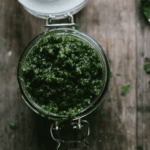
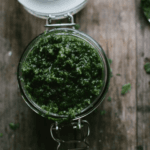
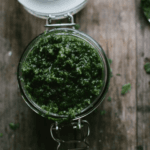
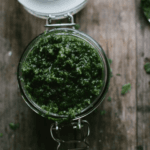
Once you’ve got a jar of verdurette in the fridge, you’ll never buy vegetable broth again .
Verdurette is a home-made seasoning mix originating in France: an umami-rich mix of vegetables and herbs ground together and preserved in salt. The salt, which is 20% of the blend, is a preservative. A similar preserved food is our Middle-Eastern salt-preserved lemons.
A teaspoon or two of verdurette adds great flavor and character to soups, grains, sauces, even scrambled eggs. It’s always there in the fridge and lasts a year, unless you use it up sooner.
The late Leda Meredith confessed that she’d become lazy about making vegetable stock, because it’s so easy to stir a couple of teaspoons of the mix into hot water, simmer it 10 minutes, and voilà, broth. Or at least, a flavor base to go on from.
I often think of Leda when I dip a spoon into the verdurette jar, remembering her soft New York-accented voice and the flair she brought to all things culinary. I’m grateful to her memory for many life-enhancing things, and among them, this verdurette.
It’s easy to make this natural broth base yourself. Most or all of the ingredients are probably already lurking in your fridge and pantry. A food processor is the kitchen tool I recommend for making it; otherwise, be prepared to do some very fine chopping. I myself just feed everything into the food processor and let it whizz.
Verdurette consists of 5 parts:
1 part finely chopped alliums: onions, leeks, chives, shallots, garlic
1 part finely chopped root vegetables: carrots, celery root (celeriac), sweet potatoes – but not white potatoes, which discolor and go unpleasantly mushy, or turnips.
1 part finely chopped leafy greens: kale, spinach, nettles, cress, celery, lettuce, beet greens, etc.
1 part finely chopped aromatic herbs: parsley, thyme, oregano, sage, basil, etc.
1 part kosher or sea salt (non iodized)
Caution: go easy with strongly flavored ingredients like garlic, sage, cilantro and rosemary. Too much of any one may dominate the whole mix. Mild aromatic herbs such as thyme, marjoram, parsley and chives can be used freely.
Nothing from the cabbage family, including broccoli and cauliflower, should go into verdurette.
You may combine several kinds of the vegetable or herb in each category. For example, in the alliums part, use several of the ingredients listed above, or use just one: for example, only onions. If you’re like me, you’ll use whatever’s at hand in the kitchen. I like a complex mix, myself.
As long as you stick to the ratio of 1 part salt to 4 parts finely chopped vegetables and herbs, the verdurette will be fine.
How to Make Verdurette
You can make as little as a half cup of verdurette, using tablespoons to measure, and up to a gallon if you need to. But to make a reasonable first-time amount for ordinary cooking, go for 1-1/4 cup of verdurette. A digital scale helps, but cup measurements work too. The main thing is to keep the balance of 80% vegetables to 20% salt.
Finely chop or process each part before measuring. This might mean there will be surplus veg to use up some other way.
Measure 1/4 cup (40 grams) of each pre-processed or chopped vegetable part. Note: Leafy greens should be packed in well when using cups. Altogether, there will be 1 cup mixed vegetables and herbs.
Add 1/4 cup (40 grams) non-iodized salt.
Stir everything up thoroughly. Pour the slightly fluid mass into a clean glass jar.
The last of my current batch.
Cover the jar and store it in the fridge. Now you have vegetable bouillon at hand whenever you need it.
You can start using your fresh batch right away. But you’ll notice that verdurette’s flavor becomes more complex as it continues to mature in the fridge.
You may also preserve one ingredient only, if you wish. Leda Meredith used to preserve a favorite wild edible, daylily flowers, this way.
How To Use Verdurette
When cooking with verdurette, leave out any other salt called for in the recipe.
* Add 2 teaspoons verdurette to a quart of water for a simple vegetable broth.
* Mix a little verdurette into marinade ingredients, for extra umami. Omit other salt in the marinade.
* Sauté verdurette in a little oil before adding the main ingredients for rice, soup, sauce, a braise, or stew. It goes wonderfully in a tomato-based pasta sauce. And in mushroom soup. You get the idea.
* It’s fine to add more during the cooking, but a little at a time – verdurette is salty! Keep tasting, and stop adding verdurette when the flavor is right.
* Verdurette may be cautiously added to salad dressings, but let the mixed dressing sit 10 minutes for the vegetables to release their flavors and soften.
Top photo of verdurette via the garturstichfarm blog
The post Make Verdurette, Natural Vegetable Bouillon appeared first on Green Prophet.
Ecomondo 2025: Italy’s Green Expo Powers Global Circular Innovation
Each November, a quiet city on Italy’s Adriatic coast becomes the epicenter of the world’s circular economy conversation. What began in 1997 as a local waste management trade show has grown into Ecomondo, a global forum for environmental innovation, resource regeneration, and ecological transition.
The post Ecomondo 2025: Italy’s Green Expo Powers Global Circular Innovation appeared first on Green Prophet.
Once you’ve got a jar of verdurette in the fridge, you’ll never buy vegetable broth again .
Verdurette is a home-made seasoning mix originating in France: an umami-rich mix of vegetables and herbs ground together and preserved in salt. The salt, which is 20% of the blend, is a preservative. A similar preserved food is our Middle-Eastern salt-preserved lemons.
A teaspoon or two of verdurette adds great flavor and character to soups, grains, sauces, even scrambled eggs. It’s always there in the fridge and lasts a year, unless you use it up sooner.
The late Leda Meredith confessed that she’d become lazy about making vegetable stock, because it’s so easy to stir a couple of teaspoons of the mix into hot water, simmer it 10 minutes, and voilà, broth. Or at least, a flavor base to go on from.
I often think of Leda when I dip a spoon into the verdurette jar, remembering her soft New York-accented voice and the flair she brought to all things culinary. I’m grateful to her memory for many life-enhancing things, and among them, this verdurette.
It’s easy to make this natural broth base yourself. Most or all of the ingredients are probably already lurking in your fridge and pantry. A food processor is the kitchen tool I recommend for making it; otherwise, be prepared to do some very fine chopping. I myself just feed everything into the food processor and let it whizz.
Verdurette consists of 5 parts:
1 part finely chopped alliums: onions, leeks, chives, shallots, garlic
1 part finely chopped root vegetables: carrots, celery root (celeriac), sweet potatoes – but not white potatoes, which discolor and go unpleasantly mushy, or turnips.
1 part finely chopped leafy greens: kale, spinach, nettles, cress, celery, lettuce, beet greens, etc.
1 part finely chopped aromatic herbs: parsley, thyme, oregano, sage, basil, etc.
1 part kosher or sea salt (non iodized)
Caution: go easy with strongly flavored ingredients like garlic, sage, cilantro and rosemary. Too much of any one may dominate the whole mix. Mild aromatic herbs such as thyme, marjoram, parsley and chives can be used freely.
Nothing from the cabbage family, including broccoli and cauliflower, should go into verdurette.
You may combine several kinds of the vegetable or herb in each category. For example, in the alliums part, use several of the ingredients listed above, or use just one: for example, only onions. If you’re like me, you’ll use whatever’s at hand in the kitchen. I like a complex mix, myself.
As long as you stick to the ratio of 1 part salt to 4 parts finely chopped vegetables and herbs, the verdurette will be fine.
How to Make Verdurette
You can make as little as a half cup of verdurette, using tablespoons to measure, and up to a gallon if you need to. But to make a reasonable first-time amount for ordinary cooking, go for 1-1/4 cup of verdurette. A digital scale helps, but cup measurements work too. The main thing is to keep the balance of 80% vegetables to 20% salt.
Finely chop or process each part before measuring. This might mean there will be surplus veg to use up some other way.
Measure 1/4 cup (40 grams) of each pre-processed or chopped vegetable part. Note: Leafy greens should be packed in well when using cups. Altogether, there will be 1 cup mixed vegetables and herbs.
Add 1/4 cup (40 grams) non-iodized salt.
Stir everything up thoroughly. Pour the slightly fluid mass into a clean glass jar.
The last of my current batch.
Cover the jar and store it in the fridge. Now you have vegetable bouillon at hand whenever you need it.
You can start using your fresh batch right away. But you’ll notice that verdurette’s flavor becomes more complex as it continues to mature in the fridge.
You may also preserve one ingredient only, if you wish. Leda Meredith used to preserve a favorite wild edible, daylily flowers, this way.
How To Use Verdurette
When cooking with verdurette, leave out any other salt called for in the recipe.
* Add 2 teaspoons verdurette to a quart of water for a simple vegetable broth.
* Mix a little verdurette into marinade ingredients, for extra umami. Omit other salt in the marinade.
* Sauté verdurette in a little oil before adding the main ingredients for rice, soup, sauce, a braise, or stew. It goes wonderfully in a tomato-based pasta sauce. And in mushroom soup. You get the idea.
* It’s fine to add more during the cooking, but a little at a time – verdurette is salty! Keep tasting, and stop adding verdurette when the flavor is right.
* Verdurette may be cautiously added to salad dressings, but let the mixed dressing sit 10 minutes for the vegetables to release their flavors and soften.
Top photo of verdurette via the garturstichfarm blog
The post Make Verdurette, Natural Vegetable Bouillon appeared first on Green Prophet.
The Importance Of Eco-Friendly Compliance In Managing A Business Event
The corporate events industry stands at a critical juncture where environmental responsibility has transitioned from an optional consideration to an essential business requirement. As organizations worldwide grapple with mounting pressure to reduce their carbon footprints and demonstrate genuine commitment to sustainability, the way business events are planned, executed, and evaluated has fundamentally changed.
The post The Importance Of Eco-Friendly Compliance In Managing A Business Event appeared first on Green Prophet.
Once you’ve got a jar of verdurette in the fridge, you’ll never buy vegetable broth again .
Verdurette is a home-made seasoning mix originating in France: an umami-rich mix of vegetables and herbs ground together and preserved in salt. The salt, which is 20% of the blend, is a preservative. A similar preserved food is our Middle-Eastern salt-preserved lemons.
A teaspoon or two of verdurette adds great flavor and character to soups, grains, sauces, even scrambled eggs. It’s always there in the fridge and lasts a year, unless you use it up sooner.
The late Leda Meredith confessed that she’d become lazy about making vegetable stock, because it’s so easy to stir a couple of teaspoons of the mix into hot water, simmer it 10 minutes, and voilà, broth. Or at least, a flavor base to go on from.
I often think of Leda when I dip a spoon into the verdurette jar, remembering her soft New York-accented voice and the flair she brought to all things culinary. I’m grateful to her memory for many life-enhancing things, and among them, this verdurette.
It’s easy to make this natural broth base yourself. Most or all of the ingredients are probably already lurking in your fridge and pantry. A food processor is the kitchen tool I recommend for making it; otherwise, be prepared to do some very fine chopping. I myself just feed everything into the food processor and let it whizz.
Verdurette consists of 5 parts:
1 part finely chopped alliums: onions, leeks, chives, shallots, garlic
1 part finely chopped root vegetables: carrots, celery root (celeriac), sweet potatoes – but not white potatoes, which discolor and go unpleasantly mushy, or turnips.
1 part finely chopped leafy greens: kale, spinach, nettles, cress, celery, lettuce, beet greens, etc.
1 part finely chopped aromatic herbs: parsley, thyme, oregano, sage, basil, etc.
1 part kosher or sea salt (non iodized)
Caution: go easy with strongly flavored ingredients like garlic, sage, cilantro and rosemary. Too much of any one may dominate the whole mix. Mild aromatic herbs such as thyme, marjoram, parsley and chives can be used freely.
Nothing from the cabbage family, including broccoli and cauliflower, should go into verdurette.
You may combine several kinds of the vegetable or herb in each category. For example, in the alliums part, use several of the ingredients listed above, or use just one: for example, only onions. If you’re like me, you’ll use whatever’s at hand in the kitchen. I like a complex mix, myself.
As long as you stick to the ratio of 1 part salt to 4 parts finely chopped vegetables and herbs, the verdurette will be fine.
How to Make Verdurette
You can make as little as a half cup of verdurette, using tablespoons to measure, and up to a gallon if you need to. But to make a reasonable first-time amount for ordinary cooking, go for 1-1/4 cup of verdurette. A digital scale helps, but cup measurements work too. The main thing is to keep the balance of 80% vegetables to 20% salt.
Finely chop or process each part before measuring. This might mean there will be surplus veg to use up some other way.
Measure 1/4 cup (40 grams) of each pre-processed or chopped vegetable part. Note: Leafy greens should be packed in well when using cups. Altogether, there will be 1 cup mixed vegetables and herbs.
Add 1/4 cup (40 grams) non-iodized salt.
Stir everything up thoroughly. Pour the slightly fluid mass into a clean glass jar.
The last of my current batch.
Cover the jar and store it in the fridge. Now you have vegetable bouillon at hand whenever you need it.
You can start using your fresh batch right away. But you’ll notice that verdurette’s flavor becomes more complex as it continues to mature in the fridge.
You may also preserve one ingredient only, if you wish. Leda Meredith used to preserve a favorite wild edible, daylily flowers, this way.
How To Use Verdurette
When cooking with verdurette, leave out any other salt called for in the recipe.
* Add 2 teaspoons verdurette to a quart of water for a simple vegetable broth.
* Mix a little verdurette into marinade ingredients, for extra umami. Omit other salt in the marinade.
* Sauté verdurette in a little oil before adding the main ingredients for rice, soup, sauce, a braise, or stew. It goes wonderfully in a tomato-based pasta sauce. And in mushroom soup. You get the idea.
* It’s fine to add more during the cooking, but a little at a time – verdurette is salty! Keep tasting, and stop adding verdurette when the flavor is right.
* Verdurette may be cautiously added to salad dressings, but let the mixed dressing sit 10 minutes for the vegetables to release their flavors and soften.
Top photo of verdurette via the garturstichfarm blog
The post Make Verdurette, Natural Vegetable Bouillon appeared first on Green Prophet.
Iran is sinking in sinkholes from overwatering
What’s that sinking feeling? In Iran, the very ground under your feet may drop away. The issue here isn’t war. The issue is land subsidence, a human-caused phenomenon that’s been ignored and mismanaged In Iran for decades. Over-pumping of groundwater is causing Iranian land to subside; that is, to sink. Land subsidence causes damage like […]
The post Iran is sinking in sinkholes from overwatering appeared first on Green Prophet.
Once you’ve got a jar of verdurette in the fridge, you’ll never buy vegetable broth again .
Verdurette is a home-made seasoning mix originating in France: an umami-rich mix of vegetables and herbs ground together and preserved in salt. The salt, which is 20% of the blend, is a preservative. A similar preserved food is our Middle-Eastern salt-preserved lemons.
A teaspoon or two of verdurette adds great flavor and character to soups, grains, sauces, even scrambled eggs. It’s always there in the fridge and lasts a year, unless you use it up sooner.
The late Leda Meredith confessed that she’d become lazy about making vegetable stock, because it’s so easy to stir a couple of teaspoons of the mix into hot water, simmer it 10 minutes, and voilà, broth. Or at least, a flavor base to go on from.
I often think of Leda when I dip a spoon into the verdurette jar, remembering her soft New York-accented voice and the flair she brought to all things culinary. I’m grateful to her memory for many life-enhancing things, and among them, this verdurette.
It’s easy to make this natural broth base yourself. Most or all of the ingredients are probably already lurking in your fridge and pantry. A food processor is the kitchen tool I recommend for making it; otherwise, be prepared to do some very fine chopping. I myself just feed everything into the food processor and let it whizz.
Verdurette consists of 5 parts:
1 part finely chopped alliums: onions, leeks, chives, shallots, garlic
1 part finely chopped root vegetables: carrots, celery root (celeriac), sweet potatoes – but not white potatoes, which discolor and go unpleasantly mushy, or turnips.
1 part finely chopped leafy greens: kale, spinach, nettles, cress, celery, lettuce, beet greens, etc.
1 part finely chopped aromatic herbs: parsley, thyme, oregano, sage, basil, etc.
1 part kosher or sea salt (non iodized)
Caution: go easy with strongly flavored ingredients like garlic, sage, cilantro and rosemary. Too much of any one may dominate the whole mix. Mild aromatic herbs such as thyme, marjoram, parsley and chives can be used freely.
Nothing from the cabbage family, including broccoli and cauliflower, should go into verdurette.
You may combine several kinds of the vegetable or herb in each category. For example, in the alliums part, use several of the ingredients listed above, or use just one: for example, only onions. If you’re like me, you’ll use whatever’s at hand in the kitchen. I like a complex mix, myself.
As long as you stick to the ratio of 1 part salt to 4 parts finely chopped vegetables and herbs, the verdurette will be fine.
How to Make Verdurette
You can make as little as a half cup of verdurette, using tablespoons to measure, and up to a gallon if you need to. But to make a reasonable first-time amount for ordinary cooking, go for 1-1/4 cup of verdurette. A digital scale helps, but cup measurements work too. The main thing is to keep the balance of 80% vegetables to 20% salt.
Finely chop or process each part before measuring. This might mean there will be surplus veg to use up some other way.
Measure 1/4 cup (40 grams) of each pre-processed or chopped vegetable part. Note: Leafy greens should be packed in well when using cups. Altogether, there will be 1 cup mixed vegetables and herbs.
Add 1/4 cup (40 grams) non-iodized salt.
Stir everything up thoroughly. Pour the slightly fluid mass into a clean glass jar.
The last of my current batch.
Cover the jar and store it in the fridge. Now you have vegetable bouillon at hand whenever you need it.
You can start using your fresh batch right away. But you’ll notice that verdurette’s flavor becomes more complex as it continues to mature in the fridge.
You may also preserve one ingredient only, if you wish. Leda Meredith used to preserve a favorite wild edible, daylily flowers, this way.
How To Use Verdurette
When cooking with verdurette, leave out any other salt called for in the recipe.
* Add 2 teaspoons verdurette to a quart of water for a simple vegetable broth.
* Mix a little verdurette into marinade ingredients, for extra umami. Omit other salt in the marinade.
* Sauté verdurette in a little oil before adding the main ingredients for rice, soup, sauce, a braise, or stew. It goes wonderfully in a tomato-based pasta sauce. And in mushroom soup. You get the idea.
* It’s fine to add more during the cooking, but a little at a time – verdurette is salty! Keep tasting, and stop adding verdurette when the flavor is right.
* Verdurette may be cautiously added to salad dressings, but let the mixed dressing sit 10 minutes for the vegetables to release their flavors and soften.
Top photo of verdurette via the garturstichfarm blog
The post Make Verdurette, Natural Vegetable Bouillon appeared first on Green Prophet.