Dune 3 Casting Raises Huge Questions for the Future of the Franchise

This article contains spoilers for the Dune franchise. By this point, even the average moviegoer knows that the Dune franchise is weird. But devotees of Frank Herbert‘s sci-fi novels have been warning civilians for years that things are going to get so much weirder, starting with director Denis Villeneuve‘s next movie, an adaptation of the […]
The post Dune 3 Casting Raises Huge Questions for the Future of the Franchise appeared first on Den of Geek.
As the world’s foremost wallcrawler, Spider-Man has been known to hang off of things for a while. But 27 years is pushing it, even for him. Yet that’s how long Spidey’s been waiting for a resolution to the cliffhanger that closed out Spider-Man: The Animated Series, the popular cartoon show that ran from 1994 to 1998 on the Fox Network.
The series ended in ’98 with Spider-Man following Madame Web’s instructions to find his wife Mary Jane, who had been lost in the multiverse after being replaced by a clone in his own timeline. We never see the two of them actually reunited, an error that Marvel Comics will finally rectify with the release of the upcoming four-issue miniseries Spider-Man ’94, from legendary writer J.M. DeMatteis (Kraven’s Last Hunt) and artist Jim Towe.
Spider-Man ’94 is just the latest cartoon series of the era to get a nod in recent years. Recently Nicholas Hoult credited Clancy Brown‘s performance in Superman: The Animated Series as an inspiration for his take on Lex Luthor, and a new Captain Planet and the Planeteers comic book released this year from Dynamite Entertainment. There is also the sensation that is Disney+’s X-Men ’97 (which we should note also only got a greenlight after Marvel Comics dipped its toe into nostalgia via the X-Men ’92 miniseries in 2015). In other words, it’s becoming kind of obvious that the ’90s nailed superheroes.
So as we wait for Spider-Man ’94 to finally get Spidey off that cliff, let’s look at some of the best cartoon series of the era and what they did so well.
Teenage Mutant Ninja Turtles (1987-1996)
Yes, Teenage Mutant Ninja Turtles debuted in the late ’80s, but the series hit its peak in 1990 and set the stage for the superhero boom to come. After all, the Turtles made their debut not in cartoons, but in the pages of comics independently produced by creators Peter Laird and Kevin Eastman—comics that began as a parody of Frank Miller‘s Daredevil.
For those of us who were kids during the Turtles’ initial boom, the original comics were the stuff of legend: black and white and apparently edgy, they were a forbidden fruit that we all wanted to seek out but were afraid of what we’d find. Looking back, however, it’s remarkable to see how much of the goofy Turtles lore comes directly from those first comics, including the alien Utroms (represented in the cartoon by Krang) and the psycho vigilante Casey Jones.
Whatever one feels about that revelation, the fact that the Ninja Turtles got fans to seek out indie comics is still remarkable. That impulse did lead to a glut of cartoon shows based on indie comics, some great (The Tick) and some less so (Wild C.A.T.S.), but it reminded people that superheroes can thrive outside of the Marvel and DC Universes, a lesson still relevant today.
cnx({
playerId: “106e33c0-3911-473c-b599-b1426db57530”,
}).render(“0270c398a82f44f49c23c16122516796”);
});
Batman: The Animated Series (1992–1995)
Teenage Mutant Ninja Turtles may have kicked off the animated superhero boom, but the movement was perfected by Batman: The Animated Series. Created by Bruce Timm and Eric Radomski, Batman: TAS moved the genre forward by looking backward. Set in an indistinct time period and only tangentially related to the Tim Burton movies, Batman: TAS worked because of Timm’s barrel-chested designs and superb scripts by writers like Paul Dini. Together they distilled the classic tropes and sagas from previous decades of comics into something that made the hero timeless.
Most episodes of Batman: TAS told standalone tales, not unlike those you would find in an individual issue of Batman or Detective Comics in the Golden Age or the Bronze Age. Some sort of baddie—whether it be a costumed freak like Joker or Scarecrow, or a thug like Rupert Thorne—would threaten Gotham, and Batman would use all the tools at his disposal to stop them.
Simple as that premise was, Batman: TAS also found efficient, and even definitive, ways of uncovering pathos in these archetypes. Mr. Freeze went from a joke to a tragic figure, the Joker never felt so menacing (without veering into gritty ugliness), and Poison Ivy made her first steps toward becoming the antihero we know today—including by, ahem, partnering up with a TAS original creation, Harley Quinn.
Batman: The Animated Series launched a host of spinoffs, including the aforementioned Superman, the future-set sequel Batman Beyond, and Justice League. The legacy continues today, not only in Timm’s spiritual successor Batman: Caped Crusader, but also in every adaptation that tries to tell solid superhero stories for a general audience.
X-Men: The Animated Series (1992-1997)
First, let’s address the elephant in the room. Yes, X-Men ’97 technically resolved the Spider-Man: The Animated Series cliffhanger in the season one finale where we see a glimpse of Mary Jane standing next to Spidey, suggesting that the two did reunite and make their way home.
That out of the way, let’s talk about what X-Men: The Animated Series did really well: it brought the comics to the masses. While Batman: The Animated Series deserves praise for its economic storytelling, that approach had largely been abandoned in its source material. By the early 1990s, superhero comics were often convoluted, soap operatic stories with complicated interpersonal relationships. No one did these types of stories better than Chris Claremont, who started writing the X-Men in 1975, transforming the team from Marvel c-listers into the biggest heroes on the newsstand by 1992.
Instead of trying to reinvent the wheel, X-Men: TAS followed the leader, adapting Claremont’s stories and using the recent visual redesigns of superstar artist Jim Lee. Somehow it worked, bringing bonkers tales like the Mutant Massacre and Fall of the Mutants to the small screen. It hooked a whole new era of fans. Of course the most pronounced successor to X-Men: The Animated Series is the Disney+ series X-Men ’97, which continues the storylines of the original show and heightens the political messaging. But X-Men: TAS also proved to executives that comic-accurate material wasn’t anathema to general audiences, opening the door for our current entertainment landscape, in which Disney produces billion-dollar adaptations of The Infinity Gauntlet and Secret Wars.
Spider-Man: The Animated Series (1994–1998)
Obviously, Spider-Man: The Animated Series owes a major debt to X-Men: The Animated Series. Like his merry mutant cousins, Spider-Man got to recreate his overstuffed comic book adventures on the small screen. However, even more than X-Men, Spider-Man: The Animated Series streamlined the comic book stories in a way that set the stage for future adaptations.
For evidence, take a look at the way the cartoon handled Venom. In the comics, Spider-Man got his black suit while off-planet in Secret Wars. For a while, Peter wore his black suit as his new costume, but eventually returned to his blue and red togs when he grew uncomfortable with having a symbiote. In 1988, four years after the black suit debuted, new character Eddie Brock wore the costume and became Venom.
While the slower pace helps build up the relationship between Spidey and Venom, cartoon viewers can’t wait four years for a fan-favorite baddie to exist. So in the cartoon, the symbiote attaches itself to a meteor brought to earth by astronaut John Jameson, which then jumps to Spidey and eventually Eddie Brock. The whole thing gets told in three episodes, without sacrificing any of the other-worldliness central to Venom. It also introduced the idea of the symbiote corrupting Peter Parker’s persona, and making him turn toward “dark Spider-Man.” These are all elements that have been incorporated to some capacity in every future adaptation of the Venom character, on the small screen and the big.
Examples such as those showed the creators of modern superhero movies and shows that you could get weird with the characters—as long as you were efficient. It was a benchmark for Spider-Man: TAS, the first major adaptation of the comics to capture the soap operatic appeal of the character and his “days of lives” romances as a twentysomething in NYC—a core aspect of the character that arguably no film has balanced quite so well.
Superman: The Animated Series (1996–2000)
On first glance, it would be easy to say Superman: The Animated Series is to Batman what Spider-Man: The Animated Series is to X-Men. That is, a solid cartoon series that doesn’t quite rival the original. However, Superman: TAS also showed something important about creating Superman and Batman stories, something that certain people (coughZackSnyderwithManofSteelcough) forgot: Superman isn’t Batman and his stories need to be handled differently.
Whereas Batman: TAS painted Gotham City in the dark tones of film noir, Superman: TAS draws from the optimism of old World’s Fair celebrations and 1950s sci-fi to make Metropolis feel like its set in some undefined future. There’s certainly a quaintness to the proceedings, what with its cackling businessman Luthor and robo-men like Metallo. But that quaintness never feels outdated.
Moreover, Superman: TAS showed how to tell compelling Superman stories on a regular basis without making the hero feel less super. Yes, this version of Superman was a little more vulnerable than his comic book counterpart, but he always fought for the powerless and did the right thing… which sure sounds a lot like the version of Superman we’re going to see on the big screen this summer.
Justice League Unlimited (2004-2006)
Again, we’re cheating a bit here, since Justice League Unlimited ran in the mid-2000s. But it is an offshoot of three major shows from the 1990s—Batman: The Animated Series, Superman: The Animated Series, and Batman Beyond—and has much more in common with them than it does other 2000s shows, such as Teen Titans or X-Men: Evolution.
Justice League Unlimited is the second incarnation of a Justice League cartoon based on the Batman: TAS universe. Where the first incarnation focused largely on “the Big Seven”—Batman, Superman, Wonder Woman, Martian Manhunter, Green Lantern, Flash, and Hawkgirl—Unlimited expanded things, hence the name. The Big Seven remained going concerns, but the stories also featured deep dives such as Hawk and Dove, the Legion of Super-Heroes, and the Seven Soldiers of Victory.
Like X-Men: The Animated Series, Justice League Unlimited did dabble in long-form serialized storytelling, with its majestic Cadmus arc and a fun, if less impressive, Legion of Doom arc. However, it taught viewers another lesson about comic books, which is that even goofy characters like Warlord and Vigilante can be compelling. Without Justice League Unlimited, we obviously would not have the current DC Comics ongoing Justice League Unlimited (written by Mark Waid and penciled by Dan Mora), nor might James Gunn be able to bring his lovable oddballs to the screen like Peacemaker and Metamorpho.
Fantastic Four (1994–1996)
Okay, the Fantastic Four cartoon isn’t that memorable. It’s a serviceable cartoon, but the choppy animation style and rote storytelling falls far short of the vibrant imagination of the Jack Kirby and Stan Lee comics that inspired it. Somehow, the weird anime-inspired series Fantastic Four: World’s Greatest Heroes stands out better, even if it isn’t very good.
But do you know what is memorable? The show’s theme song, which you will now watch and have lodged in your head with every bit of promotion for The Fantastic Four: First Steps. You’re welcome.
The post Spider-Man ’94 Comic Reminds Us the ’90s Were the Peak of Superhero Cartoons appeared first on Den of Geek.
Andor Is Making Star Wars Culturally Relevant Again

This past weekend, I participated in the No Kings March in Manhattan. Despite rain and unusually cool weather for mid-June, the event at times felt like a cathartic exorcism—or at least a deep sigh of relief after long-simmering despair. It also acted as an exercise in civic duty for a hundred thousand or so likeminded […]
The post Andor Is Making Star Wars Culturally Relevant Again appeared first on Den of Geek.
As the world’s foremost wallcrawler, Spider-Man has been known to hang off of things for a while. But 27 years is pushing it, even for him. Yet that’s how long Spidey’s been waiting for a resolution to the cliffhanger that closed out Spider-Man: The Animated Series, the popular cartoon show that ran from 1994 to 1998 on the Fox Network.
The series ended in ’98 with Spider-Man following Madame Web’s instructions to find his wife Mary Jane, who had been lost in the multiverse after being replaced by a clone in his own timeline. We never see the two of them actually reunited, an error that Marvel Comics will finally rectify with the release of the upcoming four-issue miniseries Spider-Man ’94, from legendary writer J.M. DeMatteis (Kraven’s Last Hunt) and artist Jim Towe.
Spider-Man ’94 is just the latest cartoon series of the era to get a nod in recent years. Recently Nicholas Hoult credited Clancy Brown‘s performance in Superman: The Animated Series as an inspiration for his take on Lex Luthor, and a new Captain Planet and the Planeteers comic book released this year from Dynamite Entertainment. There is also the sensation that is Disney+’s X-Men ’97 (which we should note also only got a greenlight after Marvel Comics dipped its toe into nostalgia via the X-Men ’92 miniseries in 2015). In other words, it’s becoming kind of obvious that the ’90s nailed superheroes.
So as we wait for Spider-Man ’94 to finally get Spidey off that cliff, let’s look at some of the best cartoon series of the era and what they did so well.
Teenage Mutant Ninja Turtles (1987-1996)
Yes, Teenage Mutant Ninja Turtles debuted in the late ’80s, but the series hit its peak in 1990 and set the stage for the superhero boom to come. After all, the Turtles made their debut not in cartoons, but in the pages of comics independently produced by creators Peter Laird and Kevin Eastman—comics that began as a parody of Frank Miller‘s Daredevil.
For those of us who were kids during the Turtles’ initial boom, the original comics were the stuff of legend: black and white and apparently edgy, they were a forbidden fruit that we all wanted to seek out but were afraid of what we’d find. Looking back, however, it’s remarkable to see how much of the goofy Turtles lore comes directly from those first comics, including the alien Utroms (represented in the cartoon by Krang) and the psycho vigilante Casey Jones.
Whatever one feels about that revelation, the fact that the Ninja Turtles got fans to seek out indie comics is still remarkable. That impulse did lead to a glut of cartoon shows based on indie comics, some great (The Tick) and some less so (Wild C.A.T.S.), but it reminded people that superheroes can thrive outside of the Marvel and DC Universes, a lesson still relevant today.
cnx({
playerId: “106e33c0-3911-473c-b599-b1426db57530”,
}).render(“0270c398a82f44f49c23c16122516796”);
});
Batman: The Animated Series (1992–1995)
Teenage Mutant Ninja Turtles may have kicked off the animated superhero boom, but the movement was perfected by Batman: The Animated Series. Created by Bruce Timm and Eric Radomski, Batman: TAS moved the genre forward by looking backward. Set in an indistinct time period and only tangentially related to the Tim Burton movies, Batman: TAS worked because of Timm’s barrel-chested designs and superb scripts by writers like Paul Dini. Together they distilled the classic tropes and sagas from previous decades of comics into something that made the hero timeless.
Most episodes of Batman: TAS told standalone tales, not unlike those you would find in an individual issue of Batman or Detective Comics in the Golden Age or the Bronze Age. Some sort of baddie—whether it be a costumed freak like Joker or Scarecrow, or a thug like Rupert Thorne—would threaten Gotham, and Batman would use all the tools at his disposal to stop them.
Simple as that premise was, Batman: TAS also found efficient, and even definitive, ways of uncovering pathos in these archetypes. Mr. Freeze went from a joke to a tragic figure, the Joker never felt so menacing (without veering into gritty ugliness), and Poison Ivy made her first steps toward becoming the antihero we know today—including by, ahem, partnering up with a TAS original creation, Harley Quinn.
Batman: The Animated Series launched a host of spinoffs, including the aforementioned Superman, the future-set sequel Batman Beyond, and Justice League. The legacy continues today, not only in Timm’s spiritual successor Batman: Caped Crusader, but also in every adaptation that tries to tell solid superhero stories for a general audience.
X-Men: The Animated Series (1992-1997)
First, let’s address the elephant in the room. Yes, X-Men ’97 technically resolved the Spider-Man: The Animated Series cliffhanger in the season one finale where we see a glimpse of Mary Jane standing next to Spidey, suggesting that the two did reunite and make their way home.
That out of the way, let’s talk about what X-Men: The Animated Series did really well: it brought the comics to the masses. While Batman: The Animated Series deserves praise for its economic storytelling, that approach had largely been abandoned in its source material. By the early 1990s, superhero comics were often convoluted, soap operatic stories with complicated interpersonal relationships. No one did these types of stories better than Chris Claremont, who started writing the X-Men in 1975, transforming the team from Marvel c-listers into the biggest heroes on the newsstand by 1992.
Instead of trying to reinvent the wheel, X-Men: TAS followed the leader, adapting Claremont’s stories and using the recent visual redesigns of superstar artist Jim Lee. Somehow it worked, bringing bonkers tales like the Mutant Massacre and Fall of the Mutants to the small screen. It hooked a whole new era of fans. Of course the most pronounced successor to X-Men: The Animated Series is the Disney+ series X-Men ’97, which continues the storylines of the original show and heightens the political messaging. But X-Men: TAS also proved to executives that comic-accurate material wasn’t anathema to general audiences, opening the door for our current entertainment landscape, in which Disney produces billion-dollar adaptations of The Infinity Gauntlet and Secret Wars.
Spider-Man: The Animated Series (1994–1998)
Obviously, Spider-Man: The Animated Series owes a major debt to X-Men: The Animated Series. Like his merry mutant cousins, Spider-Man got to recreate his overstuffed comic book adventures on the small screen. However, even more than X-Men, Spider-Man: The Animated Series streamlined the comic book stories in a way that set the stage for future adaptations.
For evidence, take a look at the way the cartoon handled Venom. In the comics, Spider-Man got his black suit while off-planet in Secret Wars. For a while, Peter wore his black suit as his new costume, but eventually returned to his blue and red togs when he grew uncomfortable with having a symbiote. In 1988, four years after the black suit debuted, new character Eddie Brock wore the costume and became Venom.
While the slower pace helps build up the relationship between Spidey and Venom, cartoon viewers can’t wait four years for a fan-favorite baddie to exist. So in the cartoon, the symbiote attaches itself to a meteor brought to earth by astronaut John Jameson, which then jumps to Spidey and eventually Eddie Brock. The whole thing gets told in three episodes, without sacrificing any of the other-worldliness central to Venom. It also introduced the idea of the symbiote corrupting Peter Parker’s persona, and making him turn toward “dark Spider-Man.” These are all elements that have been incorporated to some capacity in every future adaptation of the Venom character, on the small screen and the big.
Examples such as those showed the creators of modern superhero movies and shows that you could get weird with the characters—as long as you were efficient. It was a benchmark for Spider-Man: TAS, the first major adaptation of the comics to capture the soap operatic appeal of the character and his “days of lives” romances as a twentysomething in NYC—a core aspect of the character that arguably no film has balanced quite so well.
Superman: The Animated Series (1996–2000)
On first glance, it would be easy to say Superman: The Animated Series is to Batman what Spider-Man: The Animated Series is to X-Men. That is, a solid cartoon series that doesn’t quite rival the original. However, Superman: TAS also showed something important about creating Superman and Batman stories, something that certain people (coughZackSnyderwithManofSteelcough) forgot: Superman isn’t Batman and his stories need to be handled differently.
Whereas Batman: TAS painted Gotham City in the dark tones of film noir, Superman: TAS draws from the optimism of old World’s Fair celebrations and 1950s sci-fi to make Metropolis feel like its set in some undefined future. There’s certainly a quaintness to the proceedings, what with its cackling businessman Luthor and robo-men like Metallo. But that quaintness never feels outdated.
Moreover, Superman: TAS showed how to tell compelling Superman stories on a regular basis without making the hero feel less super. Yes, this version of Superman was a little more vulnerable than his comic book counterpart, but he always fought for the powerless and did the right thing… which sure sounds a lot like the version of Superman we’re going to see on the big screen this summer.
Justice League Unlimited (2004-2006)
Again, we’re cheating a bit here, since Justice League Unlimited ran in the mid-2000s. But it is an offshoot of three major shows from the 1990s—Batman: The Animated Series, Superman: The Animated Series, and Batman Beyond—and has much more in common with them than it does other 2000s shows, such as Teen Titans or X-Men: Evolution.
Justice League Unlimited is the second incarnation of a Justice League cartoon based on the Batman: TAS universe. Where the first incarnation focused largely on “the Big Seven”—Batman, Superman, Wonder Woman, Martian Manhunter, Green Lantern, Flash, and Hawkgirl—Unlimited expanded things, hence the name. The Big Seven remained going concerns, but the stories also featured deep dives such as Hawk and Dove, the Legion of Super-Heroes, and the Seven Soldiers of Victory.
Like X-Men: The Animated Series, Justice League Unlimited did dabble in long-form serialized storytelling, with its majestic Cadmus arc and a fun, if less impressive, Legion of Doom arc. However, it taught viewers another lesson about comic books, which is that even goofy characters like Warlord and Vigilante can be compelling. Without Justice League Unlimited, we obviously would not have the current DC Comics ongoing Justice League Unlimited (written by Mark Waid and penciled by Dan Mora), nor might James Gunn be able to bring his lovable oddballs to the screen like Peacemaker and Metamorpho.
Fantastic Four (1994–1996)
Okay, the Fantastic Four cartoon isn’t that memorable. It’s a serviceable cartoon, but the choppy animation style and rote storytelling falls far short of the vibrant imagination of the Jack Kirby and Stan Lee comics that inspired it. Somehow, the weird anime-inspired series Fantastic Four: World’s Greatest Heroes stands out better, even if it isn’t very good.
But do you know what is memorable? The show’s theme song, which you will now watch and have lodged in your head with every bit of promotion for The Fantastic Four: First Steps. You’re welcome.
The post Spider-Man ’94 Comic Reminds Us the ’90s Were the Peak of Superhero Cartoons appeared first on Den of Geek.
Tribeca Film Festival 2025: The Best Things We Saw

The 24th annual Tribeca Film Festival is now in the history books, but it’s safe to say that the state of cinema remains alive and thriving in downtown Manhattan after these past two weeks. Located in the neighborhood between Soho and the Financial District, Tribeca also stands at the crossroads between the future and the […]
The post Tribeca Film Festival 2025: The Best Things We Saw appeared first on Den of Geek.
As the world’s foremost wallcrawler, Spider-Man has been known to hang off of things for a while. But 27 years is pushing it, even for him. Yet that’s how long Spidey’s been waiting for a resolution to the cliffhanger that closed out Spider-Man: The Animated Series, the popular cartoon show that ran from 1994 to 1998 on the Fox Network.
The series ended in ’98 with Spider-Man following Madame Web’s instructions to find his wife Mary Jane, who had been lost in the multiverse after being replaced by a clone in his own timeline. We never see the two of them actually reunited, an error that Marvel Comics will finally rectify with the release of the upcoming four-issue miniseries Spider-Man ’94, from legendary writer J.M. DeMatteis (Kraven’s Last Hunt) and artist Jim Towe.
Spider-Man ’94 is just the latest cartoon series of the era to get a nod in recent years. Recently Nicholas Hoult credited Clancy Brown‘s performance in Superman: The Animated Series as an inspiration for his take on Lex Luthor, and a new Captain Planet and the Planeteers comic book released this year from Dynamite Entertainment. There is also the sensation that is Disney+’s X-Men ’97 (which we should note also only got a greenlight after Marvel Comics dipped its toe into nostalgia via the X-Men ’92 miniseries in 2015). In other words, it’s becoming kind of obvious that the ’90s nailed superheroes.
So as we wait for Spider-Man ’94 to finally get Spidey off that cliff, let’s look at some of the best cartoon series of the era and what they did so well.
Teenage Mutant Ninja Turtles (1987-1996)
Yes, Teenage Mutant Ninja Turtles debuted in the late ’80s, but the series hit its peak in 1990 and set the stage for the superhero boom to come. After all, the Turtles made their debut not in cartoons, but in the pages of comics independently produced by creators Peter Laird and Kevin Eastman—comics that began as a parody of Frank Miller‘s Daredevil.
For those of us who were kids during the Turtles’ initial boom, the original comics were the stuff of legend: black and white and apparently edgy, they were a forbidden fruit that we all wanted to seek out but were afraid of what we’d find. Looking back, however, it’s remarkable to see how much of the goofy Turtles lore comes directly from those first comics, including the alien Utroms (represented in the cartoon by Krang) and the psycho vigilante Casey Jones.
Whatever one feels about that revelation, the fact that the Ninja Turtles got fans to seek out indie comics is still remarkable. That impulse did lead to a glut of cartoon shows based on indie comics, some great (The Tick) and some less so (Wild C.A.T.S.), but it reminded people that superheroes can thrive outside of the Marvel and DC Universes, a lesson still relevant today.
cnx({
playerId: “106e33c0-3911-473c-b599-b1426db57530”,
}).render(“0270c398a82f44f49c23c16122516796”);
});
Batman: The Animated Series (1992–1995)
Teenage Mutant Ninja Turtles may have kicked off the animated superhero boom, but the movement was perfected by Batman: The Animated Series. Created by Bruce Timm and Eric Radomski, Batman: TAS moved the genre forward by looking backward. Set in an indistinct time period and only tangentially related to the Tim Burton movies, Batman: TAS worked because of Timm’s barrel-chested designs and superb scripts by writers like Paul Dini. Together they distilled the classic tropes and sagas from previous decades of comics into something that made the hero timeless.
Most episodes of Batman: TAS told standalone tales, not unlike those you would find in an individual issue of Batman or Detective Comics in the Golden Age or the Bronze Age. Some sort of baddie—whether it be a costumed freak like Joker or Scarecrow, or a thug like Rupert Thorne—would threaten Gotham, and Batman would use all the tools at his disposal to stop them.
Simple as that premise was, Batman: TAS also found efficient, and even definitive, ways of uncovering pathos in these archetypes. Mr. Freeze went from a joke to a tragic figure, the Joker never felt so menacing (without veering into gritty ugliness), and Poison Ivy made her first steps toward becoming the antihero we know today—including by, ahem, partnering up with a TAS original creation, Harley Quinn.
Batman: The Animated Series launched a host of spinoffs, including the aforementioned Superman, the future-set sequel Batman Beyond, and Justice League. The legacy continues today, not only in Timm’s spiritual successor Batman: Caped Crusader, but also in every adaptation that tries to tell solid superhero stories for a general audience.
X-Men: The Animated Series (1992-1997)
First, let’s address the elephant in the room. Yes, X-Men ’97 technically resolved the Spider-Man: The Animated Series cliffhanger in the season one finale where we see a glimpse of Mary Jane standing next to Spidey, suggesting that the two did reunite and make their way home.
That out of the way, let’s talk about what X-Men: The Animated Series did really well: it brought the comics to the masses. While Batman: The Animated Series deserves praise for its economic storytelling, that approach had largely been abandoned in its source material. By the early 1990s, superhero comics were often convoluted, soap operatic stories with complicated interpersonal relationships. No one did these types of stories better than Chris Claremont, who started writing the X-Men in 1975, transforming the team from Marvel c-listers into the biggest heroes on the newsstand by 1992.
Instead of trying to reinvent the wheel, X-Men: TAS followed the leader, adapting Claremont’s stories and using the recent visual redesigns of superstar artist Jim Lee. Somehow it worked, bringing bonkers tales like the Mutant Massacre and Fall of the Mutants to the small screen. It hooked a whole new era of fans. Of course the most pronounced successor to X-Men: The Animated Series is the Disney+ series X-Men ’97, which continues the storylines of the original show and heightens the political messaging. But X-Men: TAS also proved to executives that comic-accurate material wasn’t anathema to general audiences, opening the door for our current entertainment landscape, in which Disney produces billion-dollar adaptations of The Infinity Gauntlet and Secret Wars.
Spider-Man: The Animated Series (1994–1998)
Obviously, Spider-Man: The Animated Series owes a major debt to X-Men: The Animated Series. Like his merry mutant cousins, Spider-Man got to recreate his overstuffed comic book adventures on the small screen. However, even more than X-Men, Spider-Man: The Animated Series streamlined the comic book stories in a way that set the stage for future adaptations.
For evidence, take a look at the way the cartoon handled Venom. In the comics, Spider-Man got his black suit while off-planet in Secret Wars. For a while, Peter wore his black suit as his new costume, but eventually returned to his blue and red togs when he grew uncomfortable with having a symbiote. In 1988, four years after the black suit debuted, new character Eddie Brock wore the costume and became Venom.
While the slower pace helps build up the relationship between Spidey and Venom, cartoon viewers can’t wait four years for a fan-favorite baddie to exist. So in the cartoon, the symbiote attaches itself to a meteor brought to earth by astronaut John Jameson, which then jumps to Spidey and eventually Eddie Brock. The whole thing gets told in three episodes, without sacrificing any of the other-worldliness central to Venom. It also introduced the idea of the symbiote corrupting Peter Parker’s persona, and making him turn toward “dark Spider-Man.” These are all elements that have been incorporated to some capacity in every future adaptation of the Venom character, on the small screen and the big.
Examples such as those showed the creators of modern superhero movies and shows that you could get weird with the characters—as long as you were efficient. It was a benchmark for Spider-Man: TAS, the first major adaptation of the comics to capture the soap operatic appeal of the character and his “days of lives” romances as a twentysomething in NYC—a core aspect of the character that arguably no film has balanced quite so well.
Superman: The Animated Series (1996–2000)
On first glance, it would be easy to say Superman: The Animated Series is to Batman what Spider-Man: The Animated Series is to X-Men. That is, a solid cartoon series that doesn’t quite rival the original. However, Superman: TAS also showed something important about creating Superman and Batman stories, something that certain people (coughZackSnyderwithManofSteelcough) forgot: Superman isn’t Batman and his stories need to be handled differently.
Whereas Batman: TAS painted Gotham City in the dark tones of film noir, Superman: TAS draws from the optimism of old World’s Fair celebrations and 1950s sci-fi to make Metropolis feel like its set in some undefined future. There’s certainly a quaintness to the proceedings, what with its cackling businessman Luthor and robo-men like Metallo. But that quaintness never feels outdated.
Moreover, Superman: TAS showed how to tell compelling Superman stories on a regular basis without making the hero feel less super. Yes, this version of Superman was a little more vulnerable than his comic book counterpart, but he always fought for the powerless and did the right thing… which sure sounds a lot like the version of Superman we’re going to see on the big screen this summer.
Justice League Unlimited (2004-2006)
Again, we’re cheating a bit here, since Justice League Unlimited ran in the mid-2000s. But it is an offshoot of three major shows from the 1990s—Batman: The Animated Series, Superman: The Animated Series, and Batman Beyond—and has much more in common with them than it does other 2000s shows, such as Teen Titans or X-Men: Evolution.
Justice League Unlimited is the second incarnation of a Justice League cartoon based on the Batman: TAS universe. Where the first incarnation focused largely on “the Big Seven”—Batman, Superman, Wonder Woman, Martian Manhunter, Green Lantern, Flash, and Hawkgirl—Unlimited expanded things, hence the name. The Big Seven remained going concerns, but the stories also featured deep dives such as Hawk and Dove, the Legion of Super-Heroes, and the Seven Soldiers of Victory.
Like X-Men: The Animated Series, Justice League Unlimited did dabble in long-form serialized storytelling, with its majestic Cadmus arc and a fun, if less impressive, Legion of Doom arc. However, it taught viewers another lesson about comic books, which is that even goofy characters like Warlord and Vigilante can be compelling. Without Justice League Unlimited, we obviously would not have the current DC Comics ongoing Justice League Unlimited (written by Mark Waid and penciled by Dan Mora), nor might James Gunn be able to bring his lovable oddballs to the screen like Peacemaker and Metamorpho.
Fantastic Four (1994–1996)
Okay, the Fantastic Four cartoon isn’t that memorable. It’s a serviceable cartoon, but the choppy animation style and rote storytelling falls far short of the vibrant imagination of the Jack Kirby and Stan Lee comics that inspired it. Somehow, the weird anime-inspired series Fantastic Four: World’s Greatest Heroes stands out better, even if it isn’t very good.
But do you know what is memorable? The show’s theme song, which you will now watch and have lodged in your head with every bit of promotion for The Fantastic Four: First Steps. You’re welcome.
The post Spider-Man ’94 Comic Reminds Us the ’90s Were the Peak of Superhero Cartoons appeared first on Den of Geek.
Link Tank: Netflix Theme Parks, AI-Generated Films, and the Return of The Naked Gun
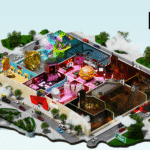
A Third “Netflix House” Is Announced – This Time in Las Vegas It’s not exactly a theme park; certainly not a resort– and before the first one has even opened, Netflix is slated to unlock a third “Netflix House” in 2027. Last summer, the streaming service announced that by the end of 2026, two experiential […]
The post Link Tank: Netflix Theme Parks, AI-Generated Films, and the Return of The Naked Gun appeared first on Den of Geek.
As the world’s foremost wallcrawler, Spider-Man has been known to hang off of things for a while. But 27 years is pushing it, even for him. Yet that’s how long Spidey’s been waiting for a resolution to the cliffhanger that closed out Spider-Man: The Animated Series, the popular cartoon show that ran from 1994 to 1998 on the Fox Network.
The series ended in ’98 with Spider-Man following Madame Web’s instructions to find his wife Mary Jane, who had been lost in the multiverse after being replaced by a clone in his own timeline. We never see the two of them actually reunited, an error that Marvel Comics will finally rectify with the release of the upcoming four-issue miniseries Spider-Man ’94, from legendary writer J.M. DeMatteis (Kraven’s Last Hunt) and artist Jim Towe.
Spider-Man ’94 is just the latest cartoon series of the era to get a nod in recent years. Recently Nicholas Hoult credited Clancy Brown‘s performance in Superman: The Animated Series as an inspiration for his take on Lex Luthor, and a new Captain Planet and the Planeteers comic book released this year from Dynamite Entertainment. There is also the sensation that is Disney+’s X-Men ’97 (which we should note also only got a greenlight after Marvel Comics dipped its toe into nostalgia via the X-Men ’92 miniseries in 2015). In other words, it’s becoming kind of obvious that the ’90s nailed superheroes.
So as we wait for Spider-Man ’94 to finally get Spidey off that cliff, let’s look at some of the best cartoon series of the era and what they did so well.
Teenage Mutant Ninja Turtles (1987-1996)
Yes, Teenage Mutant Ninja Turtles debuted in the late ’80s, but the series hit its peak in 1990 and set the stage for the superhero boom to come. After all, the Turtles made their debut not in cartoons, but in the pages of comics independently produced by creators Peter Laird and Kevin Eastman—comics that began as a parody of Frank Miller‘s Daredevil.
For those of us who were kids during the Turtles’ initial boom, the original comics were the stuff of legend: black and white and apparently edgy, they were a forbidden fruit that we all wanted to seek out but were afraid of what we’d find. Looking back, however, it’s remarkable to see how much of the goofy Turtles lore comes directly from those first comics, including the alien Utroms (represented in the cartoon by Krang) and the psycho vigilante Casey Jones.
Whatever one feels about that revelation, the fact that the Ninja Turtles got fans to seek out indie comics is still remarkable. That impulse did lead to a glut of cartoon shows based on indie comics, some great (The Tick) and some less so (Wild C.A.T.S.), but it reminded people that superheroes can thrive outside of the Marvel and DC Universes, a lesson still relevant today.
cnx({
playerId: “106e33c0-3911-473c-b599-b1426db57530”,
}).render(“0270c398a82f44f49c23c16122516796”);
});
Batman: The Animated Series (1992–1995)
Teenage Mutant Ninja Turtles may have kicked off the animated superhero boom, but the movement was perfected by Batman: The Animated Series. Created by Bruce Timm and Eric Radomski, Batman: TAS moved the genre forward by looking backward. Set in an indistinct time period and only tangentially related to the Tim Burton movies, Batman: TAS worked because of Timm’s barrel-chested designs and superb scripts by writers like Paul Dini. Together they distilled the classic tropes and sagas from previous decades of comics into something that made the hero timeless.
Most episodes of Batman: TAS told standalone tales, not unlike those you would find in an individual issue of Batman or Detective Comics in the Golden Age or the Bronze Age. Some sort of baddie—whether it be a costumed freak like Joker or Scarecrow, or a thug like Rupert Thorne—would threaten Gotham, and Batman would use all the tools at his disposal to stop them.
Simple as that premise was, Batman: TAS also found efficient, and even definitive, ways of uncovering pathos in these archetypes. Mr. Freeze went from a joke to a tragic figure, the Joker never felt so menacing (without veering into gritty ugliness), and Poison Ivy made her first steps toward becoming the antihero we know today—including by, ahem, partnering up with a TAS original creation, Harley Quinn.
Batman: The Animated Series launched a host of spinoffs, including the aforementioned Superman, the future-set sequel Batman Beyond, and Justice League. The legacy continues today, not only in Timm’s spiritual successor Batman: Caped Crusader, but also in every adaptation that tries to tell solid superhero stories for a general audience.
X-Men: The Animated Series (1992-1997)
First, let’s address the elephant in the room. Yes, X-Men ’97 technically resolved the Spider-Man: The Animated Series cliffhanger in the season one finale where we see a glimpse of Mary Jane standing next to Spidey, suggesting that the two did reunite and make their way home.
That out of the way, let’s talk about what X-Men: The Animated Series did really well: it brought the comics to the masses. While Batman: The Animated Series deserves praise for its economic storytelling, that approach had largely been abandoned in its source material. By the early 1990s, superhero comics were often convoluted, soap operatic stories with complicated interpersonal relationships. No one did these types of stories better than Chris Claremont, who started writing the X-Men in 1975, transforming the team from Marvel c-listers into the biggest heroes on the newsstand by 1992.
Instead of trying to reinvent the wheel, X-Men: TAS followed the leader, adapting Claremont’s stories and using the recent visual redesigns of superstar artist Jim Lee. Somehow it worked, bringing bonkers tales like the Mutant Massacre and Fall of the Mutants to the small screen. It hooked a whole new era of fans. Of course the most pronounced successor to X-Men: The Animated Series is the Disney+ series X-Men ’97, which continues the storylines of the original show and heightens the political messaging. But X-Men: TAS also proved to executives that comic-accurate material wasn’t anathema to general audiences, opening the door for our current entertainment landscape, in which Disney produces billion-dollar adaptations of The Infinity Gauntlet and Secret Wars.
Spider-Man: The Animated Series (1994–1998)
Obviously, Spider-Man: The Animated Series owes a major debt to X-Men: The Animated Series. Like his merry mutant cousins, Spider-Man got to recreate his overstuffed comic book adventures on the small screen. However, even more than X-Men, Spider-Man: The Animated Series streamlined the comic book stories in a way that set the stage for future adaptations.
For evidence, take a look at the way the cartoon handled Venom. In the comics, Spider-Man got his black suit while off-planet in Secret Wars. For a while, Peter wore his black suit as his new costume, but eventually returned to his blue and red togs when he grew uncomfortable with having a symbiote. In 1988, four years after the black suit debuted, new character Eddie Brock wore the costume and became Venom.
While the slower pace helps build up the relationship between Spidey and Venom, cartoon viewers can’t wait four years for a fan-favorite baddie to exist. So in the cartoon, the symbiote attaches itself to a meteor brought to earth by astronaut John Jameson, which then jumps to Spidey and eventually Eddie Brock. The whole thing gets told in three episodes, without sacrificing any of the other-worldliness central to Venom. It also introduced the idea of the symbiote corrupting Peter Parker’s persona, and making him turn toward “dark Spider-Man.” These are all elements that have been incorporated to some capacity in every future adaptation of the Venom character, on the small screen and the big.
Examples such as those showed the creators of modern superhero movies and shows that you could get weird with the characters—as long as you were efficient. It was a benchmark for Spider-Man: TAS, the first major adaptation of the comics to capture the soap operatic appeal of the character and his “days of lives” romances as a twentysomething in NYC—a core aspect of the character that arguably no film has balanced quite so well.
Superman: The Animated Series (1996–2000)
On first glance, it would be easy to say Superman: The Animated Series is to Batman what Spider-Man: The Animated Series is to X-Men. That is, a solid cartoon series that doesn’t quite rival the original. However, Superman: TAS also showed something important about creating Superman and Batman stories, something that certain people (coughZackSnyderwithManofSteelcough) forgot: Superman isn’t Batman and his stories need to be handled differently.
Whereas Batman: TAS painted Gotham City in the dark tones of film noir, Superman: TAS draws from the optimism of old World’s Fair celebrations and 1950s sci-fi to make Metropolis feel like its set in some undefined future. There’s certainly a quaintness to the proceedings, what with its cackling businessman Luthor and robo-men like Metallo. But that quaintness never feels outdated.
Moreover, Superman: TAS showed how to tell compelling Superman stories on a regular basis without making the hero feel less super. Yes, this version of Superman was a little more vulnerable than his comic book counterpart, but he always fought for the powerless and did the right thing… which sure sounds a lot like the version of Superman we’re going to see on the big screen this summer.
Justice League Unlimited (2004-2006)
Again, we’re cheating a bit here, since Justice League Unlimited ran in the mid-2000s. But it is an offshoot of three major shows from the 1990s—Batman: The Animated Series, Superman: The Animated Series, and Batman Beyond—and has much more in common with them than it does other 2000s shows, such as Teen Titans or X-Men: Evolution.
Justice League Unlimited is the second incarnation of a Justice League cartoon based on the Batman: TAS universe. Where the first incarnation focused largely on “the Big Seven”—Batman, Superman, Wonder Woman, Martian Manhunter, Green Lantern, Flash, and Hawkgirl—Unlimited expanded things, hence the name. The Big Seven remained going concerns, but the stories also featured deep dives such as Hawk and Dove, the Legion of Super-Heroes, and the Seven Soldiers of Victory.
Like X-Men: The Animated Series, Justice League Unlimited did dabble in long-form serialized storytelling, with its majestic Cadmus arc and a fun, if less impressive, Legion of Doom arc. However, it taught viewers another lesson about comic books, which is that even goofy characters like Warlord and Vigilante can be compelling. Without Justice League Unlimited, we obviously would not have the current DC Comics ongoing Justice League Unlimited (written by Mark Waid and penciled by Dan Mora), nor might James Gunn be able to bring his lovable oddballs to the screen like Peacemaker and Metamorpho.
Fantastic Four (1994–1996)
Okay, the Fantastic Four cartoon isn’t that memorable. It’s a serviceable cartoon, but the choppy animation style and rote storytelling falls far short of the vibrant imagination of the Jack Kirby and Stan Lee comics that inspired it. Somehow, the weird anime-inspired series Fantastic Four: World’s Greatest Heroes stands out better, even if it isn’t very good.
But do you know what is memorable? The show’s theme song, which you will now watch and have lodged in your head with every bit of promotion for The Fantastic Four: First Steps. You’re welcome.
The post Spider-Man ’94 Comic Reminds Us the ’90s Were the Peak of Superhero Cartoons appeared first on Den of Geek.
Spider-Man ’94 Comic Reminds Us the ’90s Were the Peak of Superhero Cartoons

As the world’s foremost wallcrawler, Spider-Man has been known to hang off of things for a while. But 27 years is pushing it, even for him. Yet that’s how long Spidey’s been waiting for a resolution to the cliffhanger that closed out Spider-Man: The Animated Series, the popular cartoon show that ran from 1994 to […]
The post Spider-Man ’94 Comic Reminds Us the ’90s Were the Peak of Superhero Cartoons appeared first on Den of Geek.
As the world’s foremost wallcrawler, Spider-Man has been known to hang off of things for a while. But 27 years is pushing it, even for him. Yet that’s how long Spidey’s been waiting for a resolution to the cliffhanger that closed out Spider-Man: The Animated Series, the popular cartoon show that ran from 1994 to 1998 on the Fox Network.
The series ended in ’98 with Spider-Man following Madame Web’s instructions to find his wife Mary Jane, who had been lost in the multiverse after being replaced by a clone in his own timeline. We never see the two of them actually reunited, an error that Marvel Comics will finally rectify with the release of the upcoming four-issue miniseries Spider-Man ’94, from legendary writer J.M. DeMatteis (Kraven’s Last Hunt) and artist Jim Towe.
Spider-Man ’94 is just the latest cartoon series of the era to get a nod in recent years. Recently Nicholas Hoult credited Clancy Brown‘s performance in Superman: The Animated Series as an inspiration for his take on Lex Luthor, and a new Captain Planet and the Planeteers comic book released this year from Dynamite Entertainment. There is also the sensation that is Disney+’s X-Men ’97 (which we should note also only got a greenlight after Marvel Comics dipped its toe into nostalgia via the X-Men ’92 miniseries in 2015). In other words, it’s becoming kind of obvious that the ’90s nailed superheroes.
So as we wait for Spider-Man ’94 to finally get Spidey off that cliff, let’s look at some of the best cartoon series of the era and what they did so well.
Teenage Mutant Ninja Turtles (1987-1996)
Yes, Teenage Mutant Ninja Turtles debuted in the late ’80s, but the series hit its peak in 1990 and set the stage for the superhero boom to come. After all, the Turtles made their debut not in cartoons, but in the pages of comics independently produced by creators Peter Laird and Kevin Eastman—comics that began as a parody of Frank Miller‘s Daredevil.
For those of us who were kids during the Turtles’ initial boom, the original comics were the stuff of legend: black and white and apparently edgy, they were a forbidden fruit that we all wanted to seek out but were afraid of what we’d find. Looking back, however, it’s remarkable to see how much of the goofy Turtles lore comes directly from those first comics, including the alien Utroms (represented in the cartoon by Krang) and the psycho vigilante Casey Jones.
Whatever one feels about that revelation, the fact that the Ninja Turtles got fans to seek out indie comics is still remarkable. That impulse did lead to a glut of cartoon shows based on indie comics, some great (The Tick) and some less so (Wild C.A.T.S.), but it reminded people that superheroes can thrive outside of the Marvel and DC Universes, a lesson still relevant today.
cnx({
playerId: “106e33c0-3911-473c-b599-b1426db57530”,
}).render(“0270c398a82f44f49c23c16122516796”);
});
Batman: The Animated Series (1992–1995)
Teenage Mutant Ninja Turtles may have kicked off the animated superhero boom, but the movement was perfected by Batman: The Animated Series. Created by Bruce Timm and Eric Radomski, Batman: TAS moved the genre forward by looking backward. Set in an indistinct time period and only tangentially related to the Tim Burton movies, Batman: TAS worked because of Timm’s barrel-chested designs and superb scripts by writers like Paul Dini. Together they distilled the classic tropes and sagas from previous decades of comics into something that made the hero timeless.
Most episodes of Batman: TAS told standalone tales, not unlike those you would find in an individual issue of Batman or Detective Comics in the Golden Age or the Bronze Age. Some sort of baddie—whether it be a costumed freak like Joker or Scarecrow, or a thug like Rupert Thorne—would threaten Gotham, and Batman would use all the tools at his disposal to stop them.
Simple as that premise was, Batman: TAS also found efficient, and even definitive, ways of uncovering pathos in these archetypes. Mr. Freeze went from a joke to a tragic figure, the Joker never felt so menacing (without veering into gritty ugliness), and Poison Ivy made her first steps toward becoming the antihero we know today—including by, ahem, partnering up with a TAS original creation, Harley Quinn.
Batman: The Animated Series launched a host of spinoffs, including the aforementioned Superman, the future-set sequel Batman Beyond, and Justice League. The legacy continues today, not only in Timm’s spiritual successor Batman: Caped Crusader, but also in every adaptation that tries to tell solid superhero stories for a general audience.
X-Men: The Animated Series (1992-1997)
First, let’s address the elephant in the room. Yes, X-Men ’97 technically resolved the Spider-Man: The Animated Series cliffhanger in the season one finale where we see a glimpse of Mary Jane standing next to Spidey, suggesting that the two did reunite and make their way home.
That out of the way, let’s talk about what X-Men: The Animated Series did really well: it brought the comics to the masses. While Batman: The Animated Series deserves praise for its economic storytelling, that approach had largely been abandoned in its source material. By the early 1990s, superhero comics were often convoluted, soap operatic stories with complicated interpersonal relationships. No one did these types of stories better than Chris Claremont, who started writing the X-Men in 1975, transforming the team from Marvel c-listers into the biggest heroes on the newsstand by 1992.
Instead of trying to reinvent the wheel, X-Men: TAS followed the leader, adapting Claremont’s stories and using the recent visual redesigns of superstar artist Jim Lee. Somehow it worked, bringing bonkers tales like the Mutant Massacre and Fall of the Mutants to the small screen. It hooked a whole new era of fans. Of course the most pronounced successor to X-Men: The Animated Series is the Disney+ series X-Men ’97, which continues the storylines of the original show and heightens the political messaging. But X-Men: TAS also proved to executives that comic-accurate material wasn’t anathema to general audiences, opening the door for our current entertainment landscape, in which Disney produces billion-dollar adaptations of The Infinity Gauntlet and Secret Wars.
Spider-Man: The Animated Series (1994–1998)
Obviously, Spider-Man: The Animated Series owes a major debt to X-Men: The Animated Series. Like his merry mutant cousins, Spider-Man got to recreate his overstuffed comic book adventures on the small screen. However, even more than X-Men, Spider-Man: The Animated Series streamlined the comic book stories in a way that set the stage for future adaptations.
For evidence, take a look at the way the cartoon handled Venom. In the comics, Spider-Man got his black suit while off-planet in Secret Wars. For a while, Peter wore his black suit as his new costume, but eventually returned to his blue and red togs when he grew uncomfortable with having a symbiote. In 1988, four years after the black suit debuted, new character Eddie Brock wore the costume and became Venom.
While the slower pace helps build up the relationship between Spidey and Venom, cartoon viewers can’t wait four years for a fan-favorite baddie to exist. So in the cartoon, the symbiote attaches itself to a meteor brought to earth by astronaut John Jameson, which then jumps to Spidey and eventually Eddie Brock. The whole thing gets told in three episodes, without sacrificing any of the other-worldliness central to Venom. It also introduced the idea of the symbiote corrupting Peter Parker’s persona, and making him turn toward “dark Spider-Man.” These are all elements that have been incorporated to some capacity in every future adaptation of the Venom character, on the small screen and the big.
Examples such as those showed the creators of modern superhero movies and shows that you could get weird with the characters—as long as you were efficient. It was a benchmark for Spider-Man: TAS, the first major adaptation of the comics to capture the soap operatic appeal of the character and his “days of lives” romances as a twentysomething in NYC—a core aspect of the character that arguably no film has balanced quite so well.
Superman: The Animated Series (1996–2000)
On first glance, it would be easy to say Superman: The Animated Series is to Batman what Spider-Man: The Animated Series is to X-Men. That is, a solid cartoon series that doesn’t quite rival the original. However, Superman: TAS also showed something important about creating Superman and Batman stories, something that certain people (coughZackSnyderwithManofSteelcough) forgot: Superman isn’t Batman and his stories need to be handled differently.
Whereas Batman: TAS painted Gotham City in the dark tones of film noir, Superman: TAS draws from the optimism of old World’s Fair celebrations and 1950s sci-fi to make Metropolis feel like its set in some undefined future. There’s certainly a quaintness to the proceedings, what with its cackling businessman Luthor and robo-men like Metallo. But that quaintness never feels outdated.
Moreover, Superman: TAS showed how to tell compelling Superman stories on a regular basis without making the hero feel less super. Yes, this version of Superman was a little more vulnerable than his comic book counterpart, but he always fought for the powerless and did the right thing… which sure sounds a lot like the version of Superman we’re going to see on the big screen this summer.
Justice League Unlimited (2004-2006)
Again, we’re cheating a bit here, since Justice League Unlimited ran in the mid-2000s. But it is an offshoot of three major shows from the 1990s—Batman: The Animated Series, Superman: The Animated Series, and Batman Beyond—and has much more in common with them than it does other 2000s shows, such as Teen Titans or X-Men: Evolution.
Justice League Unlimited is the second incarnation of a Justice League cartoon based on the Batman: TAS universe. Where the first incarnation focused largely on “the Big Seven”—Batman, Superman, Wonder Woman, Martian Manhunter, Green Lantern, Flash, and Hawkgirl—Unlimited expanded things, hence the name. The Big Seven remained going concerns, but the stories also featured deep dives such as Hawk and Dove, the Legion of Super-Heroes, and the Seven Soldiers of Victory.
Like X-Men: The Animated Series, Justice League Unlimited did dabble in long-form serialized storytelling, with its majestic Cadmus arc and a fun, if less impressive, Legion of Doom arc. However, it taught viewers another lesson about comic books, which is that even goofy characters like Warlord and Vigilante can be compelling. Without Justice League Unlimited, we obviously would not have the current DC Comics ongoing Justice League Unlimited (written by Mark Waid and penciled by Dan Mora), nor might James Gunn be able to bring his lovable oddballs to the screen like Peacemaker and Metamorpho.
Fantastic Four (1994–1996)
Okay, the Fantastic Four cartoon isn’t that memorable. It’s a serviceable cartoon, but the choppy animation style and rote storytelling falls far short of the vibrant imagination of the Jack Kirby and Stan Lee comics that inspired it. Somehow, the weird anime-inspired series Fantastic Four: World’s Greatest Heroes stands out better, even if it isn’t very good.
But do you know what is memorable? The show’s theme song, which you will now watch and have lodged in your head with every bit of promotion for The Fantastic Four: First Steps. You’re welcome.
The post Spider-Man ’94 Comic Reminds Us the ’90s Were the Peak of Superhero Cartoons appeared first on Den of Geek.
Werner Lanthaler Reveals Why Wlanholding Avoids Traditional VC Models

Most life sciences investors follow predictable patterns: raise funds from limited partners, deploy capital across portfolio companies within defined timeframes, and exit investments to generate returns for fund investors. Werner Lanthaler has deliberately constructed Wlanholding GmbH to operate outside these conventional frameworks, creating what amounts to an alternative approach to biotechnology investment.
The post Werner Lanthaler Reveals Why Wlanholding Avoids Traditional VC Models appeared first on Green Prophet.
No more factory farms
The recent revelations that more than 24,000 industrial livestock farms now operate across Europe should come as a wake-up call to European policymakers. In the UK alone, the number of megafarms grew by over 200 between 2017 and 2023. France, Germany and Spain are not far behind. Far from being an outlier, the European food system is becoming more intensive, more environmentally damaging, and more consolidated. Yet the EU continues to invest political capital in the wrong tools.
One of those tools is front-of-pack labelling, most notably Nutri-Score, the colour-coded system first developed in France and, at a certain point, promoted by the European Commission as a solution to rising obesity. It is, by now, abundantly clear that it isn’t working. Not only has Nutri-Score failed to produce any measurable reduction in obesity rates, but it has also encouraged producers to prioritise nutrient “tweaks” over meaningful food system change. The result is a rise in industrialised, uniform food that fits perfectly with factory farming conditions.
An outdated model in a collapsing system
The European food model is at a crossroads. On one side, we hear ambitious rhetoric about agroecology, biodiversity, and healthy diets. On the other side, we see the rapid expansion of intensive livestock farms, producing tens of millions of animals under conditions that routinely breach environmental regulations, pollute protected areas, and contribute to collapsing wildlife populations.
This contradiction is not accidental. It is the direct result of a policy approach that prioritises reformulation over reform, and labelling over systemic change. Nutrition labelling, for all its visibility, has not delivered improved health outcomes in any of the countries where it has been implemented. What it has delivered is a new layer of complexity. Traditional producers are disadvantaged, while industrial production systems benefit from standardisation and scalability.
The Nutri-Score illusion
Nutri-Score is emblematic of this failure. Built on a simplistic algorithm that assigns grades based on fats, sugars, and salt per 100 grams, it ignores where food comes from, how it’s produced, or how it fits into real-world diets. This kind of labelling rewards processed uniformity and penalises diversity. It pushes producers toward nutritionally “optimised” products that suit industrial supply chains rather than sustainable food systems.
More importantly, it misleads consumers into thinking that food can be reduced to a single letter or colour. This illusion of simplicity may serve marketing objectives, but it does nothing to support meaningful dietary change. If it did, we would have seen results by now. Yet obesity rates continue to rise, including in France, the birthplace of Nutri-Score.
Even the industry is walking away
Even some of the food industry’s biggest players are now distancing themselves from the system. In May, Nestlé announced it would withdraw Nutri-Score from its products in Switzerland, its home country, even before Nestlé’s decision, Swiss food giants Migros and Emmi had already withdrawn Nutri-Score from their products. Their reasoning was simple: the system is no longer credible.
When Europe’s largest food manufacturer abandons a label it once promoted—and does so in the country where it is headquartered—it sends a clear signal. Industry sees what policymakers are reluctant to admit: that nutrition labelling is a dead end. It does not shift consumer behaviour at scale. It does not support sustainable production, nor does it build public trust.
A distraction from real reform
The continued focus on front-of-pack labelling reflects a broader institutional failure: the preference for symbolic gestures over structural reform. Labels are easy to promote. They’re visually appealing. They create the appearance of action. But in practice, they distract from deeper policy questions about subsidies, trade, and the true cost of food.
Worse, they reinforce the incentives of industrial-scale production. Labelling schemes reward products based on narrow nutrient profiles while ignoring production methods, ecological impact, or cultural value. This encourages the very trends—efficiency, uniformity, and scale—that underpin the factory farm boom.
The evidence isn’t there. It never was.
Proponents of labelling often cite behavioural studies suggesting that front-of-pack systems can influence consumer choices. But these are short-term, tightly controlled experiments. In the real world, the evidence tells a different story. Countries with the most aggressive labelling strategies continue to experience rising obesity, increasing rates of diet-related illness, and ongoing environmental degradation. For example, in Chile—one of the most aggressive countries in Latin America with mandatory black-octagon labels since 2016—obesity prevalence rose from roughly 68% of adults in 2010 to about 79% by 2022, despite the labelling and other health measures. If labelling worked, the data would reflect that.
The truth is, nutrition cannot be reduced to a traffic light or an algorithm. Eating habits are shaped by culture, price, availability, education, and social norms. The idea that better consumer “information” alone can drive public health outcomes is not just simplistic. It has been repeatedly disproven.
If Europe is serious about fixing its food system, it needs to let go of the illusion that labelling is a shortcut to health. Real solutions lie elsewhere: in supporting sustainable farming, reforming subsidies, regulating marketing to children, improving access to nutritious food, and investing in public health. These are the interventions that work, not stickers on packages.
Lessons from a broken system
The Guardian’s recent reporting on Europe’s megafarms highlights what happens when policy drifts away from reality. The rise of factory farming is not a coincidence. It is the logical outcome of a system built around scale, standardisation, and superficial metrics. Nutri-Score helps prop up those sorts of systems.
The EU must stop pretending that labelling is a public health strategy. It isn’t. It’s a communications tool—and one that has failed to deliver. The sooner Brussels moves past this failed model, the sooner it can begin the serious work of building a food system that serves people, protects animals, and restores the planet.
The post Nutri-Score and the Factory Farm Illusion appeared first on Green Prophet.
Rebuilding a life, one hand at a time: a medical first at Penn Medicine

Indeed, donor compatibility for hands is complex: beyond blood type, doctors must match skin tone, gender, muscle size, and age. “It’s the most human gesture I’ve ever witnessed—that someone would help me beyond their own life,” Krizanac said. “How can you ever find the words for that kind of gratitude?”
The post Rebuilding a life, one hand at a time: a medical first at Penn Medicine appeared first on Green Prophet.
No more factory farms
The recent revelations that more than 24,000 industrial livestock farms now operate across Europe should come as a wake-up call to European policymakers. In the UK alone, the number of megafarms grew by over 200 between 2017 and 2023. France, Germany and Spain are not far behind. Far from being an outlier, the European food system is becoming more intensive, more environmentally damaging, and more consolidated. Yet the EU continues to invest political capital in the wrong tools.
One of those tools is front-of-pack labelling, most notably Nutri-Score, the colour-coded system first developed in France and, at a certain point, promoted by the European Commission as a solution to rising obesity. It is, by now, abundantly clear that it isn’t working. Not only has Nutri-Score failed to produce any measurable reduction in obesity rates, but it has also encouraged producers to prioritise nutrient “tweaks” over meaningful food system change. The result is a rise in industrialised, uniform food that fits perfectly with factory farming conditions.
An outdated model in a collapsing system
The European food model is at a crossroads. On one side, we hear ambitious rhetoric about agroecology, biodiversity, and healthy diets. On the other side, we see the rapid expansion of intensive livestock farms, producing tens of millions of animals under conditions that routinely breach environmental regulations, pollute protected areas, and contribute to collapsing wildlife populations.
This contradiction is not accidental. It is the direct result of a policy approach that prioritises reformulation over reform, and labelling over systemic change. Nutrition labelling, for all its visibility, has not delivered improved health outcomes in any of the countries where it has been implemented. What it has delivered is a new layer of complexity. Traditional producers are disadvantaged, while industrial production systems benefit from standardisation and scalability.
The Nutri-Score illusion
Nutri-Score is emblematic of this failure. Built on a simplistic algorithm that assigns grades based on fats, sugars, and salt per 100 grams, it ignores where food comes from, how it’s produced, or how it fits into real-world diets. This kind of labelling rewards processed uniformity and penalises diversity. It pushes producers toward nutritionally “optimised” products that suit industrial supply chains rather than sustainable food systems.
More importantly, it misleads consumers into thinking that food can be reduced to a single letter or colour. This illusion of simplicity may serve marketing objectives, but it does nothing to support meaningful dietary change. If it did, we would have seen results by now. Yet obesity rates continue to rise, including in France, the birthplace of Nutri-Score.
Even the industry is walking away
Even some of the food industry’s biggest players are now distancing themselves from the system. In May, Nestlé announced it would withdraw Nutri-Score from its products in Switzerland, its home country, even before Nestlé’s decision, Swiss food giants Migros and Emmi had already withdrawn Nutri-Score from their products. Their reasoning was simple: the system is no longer credible.
When Europe’s largest food manufacturer abandons a label it once promoted—and does so in the country where it is headquartered—it sends a clear signal. Industry sees what policymakers are reluctant to admit: that nutrition labelling is a dead end. It does not shift consumer behaviour at scale. It does not support sustainable production, nor does it build public trust.
A distraction from real reform
The continued focus on front-of-pack labelling reflects a broader institutional failure: the preference for symbolic gestures over structural reform. Labels are easy to promote. They’re visually appealing. They create the appearance of action. But in practice, they distract from deeper policy questions about subsidies, trade, and the true cost of food.
Worse, they reinforce the incentives of industrial-scale production. Labelling schemes reward products based on narrow nutrient profiles while ignoring production methods, ecological impact, or cultural value. This encourages the very trends—efficiency, uniformity, and scale—that underpin the factory farm boom.
The evidence isn’t there. It never was.
Proponents of labelling often cite behavioural studies suggesting that front-of-pack systems can influence consumer choices. But these are short-term, tightly controlled experiments. In the real world, the evidence tells a different story. Countries with the most aggressive labelling strategies continue to experience rising obesity, increasing rates of diet-related illness, and ongoing environmental degradation. For example, in Chile—one of the most aggressive countries in Latin America with mandatory black-octagon labels since 2016—obesity prevalence rose from roughly 68% of adults in 2010 to about 79% by 2022, despite the labelling and other health measures. If labelling worked, the data would reflect that.
The truth is, nutrition cannot be reduced to a traffic light or an algorithm. Eating habits are shaped by culture, price, availability, education, and social norms. The idea that better consumer “information” alone can drive public health outcomes is not just simplistic. It has been repeatedly disproven.
If Europe is serious about fixing its food system, it needs to let go of the illusion that labelling is a shortcut to health. Real solutions lie elsewhere: in supporting sustainable farming, reforming subsidies, regulating marketing to children, improving access to nutritious food, and investing in public health. These are the interventions that work, not stickers on packages.
Lessons from a broken system
The Guardian’s recent reporting on Europe’s megafarms highlights what happens when policy drifts away from reality. The rise of factory farming is not a coincidence. It is the logical outcome of a system built around scale, standardisation, and superficial metrics. Nutri-Score helps prop up those sorts of systems.
The EU must stop pretending that labelling is a public health strategy. It isn’t. It’s a communications tool—and one that has failed to deliver. The sooner Brussels moves past this failed model, the sooner it can begin the serious work of building a food system that serves people, protects animals, and restores the planet.
The post Nutri-Score and the Factory Farm Illusion appeared first on Green Prophet.
Poo beats pills? Norway backs poop transplant as safer treatment for gut-wrecking infection

Now, with Norwegian researchers giving the royal flush to vancomycin, we may soon be saying goodbye to antibiotics and hello to artisanal, farm-to-bum therapies.
The post Poo beats pills? Norway backs poop transplant as safer treatment for gut-wrecking infection appeared first on Green Prophet.
No more factory farms
The recent revelations that more than 24,000 industrial livestock farms now operate across Europe should come as a wake-up call to European policymakers. In the UK alone, the number of megafarms grew by over 200 between 2017 and 2023. France, Germany and Spain are not far behind. Far from being an outlier, the European food system is becoming more intensive, more environmentally damaging, and more consolidated. Yet the EU continues to invest political capital in the wrong tools.
One of those tools is front-of-pack labelling, most notably Nutri-Score, the colour-coded system first developed in France and, at a certain point, promoted by the European Commission as a solution to rising obesity. It is, by now, abundantly clear that it isn’t working. Not only has Nutri-Score failed to produce any measurable reduction in obesity rates, but it has also encouraged producers to prioritise nutrient “tweaks” over meaningful food system change. The result is a rise in industrialised, uniform food that fits perfectly with factory farming conditions.
An outdated model in a collapsing system
The European food model is at a crossroads. On one side, we hear ambitious rhetoric about agroecology, biodiversity, and healthy diets. On the other side, we see the rapid expansion of intensive livestock farms, producing tens of millions of animals under conditions that routinely breach environmental regulations, pollute protected areas, and contribute to collapsing wildlife populations.
This contradiction is not accidental. It is the direct result of a policy approach that prioritises reformulation over reform, and labelling over systemic change. Nutrition labelling, for all its visibility, has not delivered improved health outcomes in any of the countries where it has been implemented. What it has delivered is a new layer of complexity. Traditional producers are disadvantaged, while industrial production systems benefit from standardisation and scalability.
The Nutri-Score illusion
Nutri-Score is emblematic of this failure. Built on a simplistic algorithm that assigns grades based on fats, sugars, and salt per 100 grams, it ignores where food comes from, how it’s produced, or how it fits into real-world diets. This kind of labelling rewards processed uniformity and penalises diversity. It pushes producers toward nutritionally “optimised” products that suit industrial supply chains rather than sustainable food systems.
More importantly, it misleads consumers into thinking that food can be reduced to a single letter or colour. This illusion of simplicity may serve marketing objectives, but it does nothing to support meaningful dietary change. If it did, we would have seen results by now. Yet obesity rates continue to rise, including in France, the birthplace of Nutri-Score.
Even the industry is walking away
Even some of the food industry’s biggest players are now distancing themselves from the system. In May, Nestlé announced it would withdraw Nutri-Score from its products in Switzerland, its home country, even before Nestlé’s decision, Swiss food giants Migros and Emmi had already withdrawn Nutri-Score from their products. Their reasoning was simple: the system is no longer credible.
When Europe’s largest food manufacturer abandons a label it once promoted—and does so in the country where it is headquartered—it sends a clear signal. Industry sees what policymakers are reluctant to admit: that nutrition labelling is a dead end. It does not shift consumer behaviour at scale. It does not support sustainable production, nor does it build public trust.
A distraction from real reform
The continued focus on front-of-pack labelling reflects a broader institutional failure: the preference for symbolic gestures over structural reform. Labels are easy to promote. They’re visually appealing. They create the appearance of action. But in practice, they distract from deeper policy questions about subsidies, trade, and the true cost of food.
Worse, they reinforce the incentives of industrial-scale production. Labelling schemes reward products based on narrow nutrient profiles while ignoring production methods, ecological impact, or cultural value. This encourages the very trends—efficiency, uniformity, and scale—that underpin the factory farm boom.
The evidence isn’t there. It never was.
Proponents of labelling often cite behavioural studies suggesting that front-of-pack systems can influence consumer choices. But these are short-term, tightly controlled experiments. In the real world, the evidence tells a different story. Countries with the most aggressive labelling strategies continue to experience rising obesity, increasing rates of diet-related illness, and ongoing environmental degradation. For example, in Chile—one of the most aggressive countries in Latin America with mandatory black-octagon labels since 2016—obesity prevalence rose from roughly 68% of adults in 2010 to about 79% by 2022, despite the labelling and other health measures. If labelling worked, the data would reflect that.
The truth is, nutrition cannot be reduced to a traffic light or an algorithm. Eating habits are shaped by culture, price, availability, education, and social norms. The idea that better consumer “information” alone can drive public health outcomes is not just simplistic. It has been repeatedly disproven.
If Europe is serious about fixing its food system, it needs to let go of the illusion that labelling is a shortcut to health. Real solutions lie elsewhere: in supporting sustainable farming, reforming subsidies, regulating marketing to children, improving access to nutritious food, and investing in public health. These are the interventions that work, not stickers on packages.
Lessons from a broken system
The Guardian’s recent reporting on Europe’s megafarms highlights what happens when policy drifts away from reality. The rise of factory farming is not a coincidence. It is the logical outcome of a system built around scale, standardisation, and superficial metrics. Nutri-Score helps prop up those sorts of systems.
The EU must stop pretending that labelling is a public health strategy. It isn’t. It’s a communications tool—and one that has failed to deliver. The sooner Brussels moves past this failed model, the sooner it can begin the serious work of building a food system that serves people, protects animals, and restores the planet.
The post Nutri-Score and the Factory Farm Illusion appeared first on Green Prophet.
Whale watching tours find whales talking to people with strange bubble rings

A new study suggests that humpback whales (Megaptera novaeangliae) might be trying to communicate with humans –- or aliens? –– through a behavior that’s both beautiful and baffling: perfectly circular bubble rings, deliberately blown near boats and swimmers. The finding comes from researchers at WhaleSETI, a project inspired by the search for extraterrestrial intelligence (SETI), only this time, the “aliens” are right here in our oceans.
The post Whale watching tours find whales talking to people with strange bubble rings appeared first on Green Prophet.
No more factory farms
The recent revelations that more than 24,000 industrial livestock farms now operate across Europe should come as a wake-up call to European policymakers. In the UK alone, the number of megafarms grew by over 200 between 2017 and 2023. France, Germany and Spain are not far behind. Far from being an outlier, the European food system is becoming more intensive, more environmentally damaging, and more consolidated. Yet the EU continues to invest political capital in the wrong tools.
One of those tools is front-of-pack labelling, most notably Nutri-Score, the colour-coded system first developed in France and, at a certain point, promoted by the European Commission as a solution to rising obesity. It is, by now, abundantly clear that it isn’t working. Not only has Nutri-Score failed to produce any measurable reduction in obesity rates, but it has also encouraged producers to prioritise nutrient “tweaks” over meaningful food system change. The result is a rise in industrialised, uniform food that fits perfectly with factory farming conditions.
An outdated model in a collapsing system
The European food model is at a crossroads. On one side, we hear ambitious rhetoric about agroecology, biodiversity, and healthy diets. On the other side, we see the rapid expansion of intensive livestock farms, producing tens of millions of animals under conditions that routinely breach environmental regulations, pollute protected areas, and contribute to collapsing wildlife populations.
This contradiction is not accidental. It is the direct result of a policy approach that prioritises reformulation over reform, and labelling over systemic change. Nutrition labelling, for all its visibility, has not delivered improved health outcomes in any of the countries where it has been implemented. What it has delivered is a new layer of complexity. Traditional producers are disadvantaged, while industrial production systems benefit from standardisation and scalability.
The Nutri-Score illusion
Nutri-Score is emblematic of this failure. Built on a simplistic algorithm that assigns grades based on fats, sugars, and salt per 100 grams, it ignores where food comes from, how it’s produced, or how it fits into real-world diets. This kind of labelling rewards processed uniformity and penalises diversity. It pushes producers toward nutritionally “optimised” products that suit industrial supply chains rather than sustainable food systems.
More importantly, it misleads consumers into thinking that food can be reduced to a single letter or colour. This illusion of simplicity may serve marketing objectives, but it does nothing to support meaningful dietary change. If it did, we would have seen results by now. Yet obesity rates continue to rise, including in France, the birthplace of Nutri-Score.
Even the industry is walking away
Even some of the food industry’s biggest players are now distancing themselves from the system. In May, Nestlé announced it would withdraw Nutri-Score from its products in Switzerland, its home country, even before Nestlé’s decision, Swiss food giants Migros and Emmi had already withdrawn Nutri-Score from their products. Their reasoning was simple: the system is no longer credible.
When Europe’s largest food manufacturer abandons a label it once promoted—and does so in the country where it is headquartered—it sends a clear signal. Industry sees what policymakers are reluctant to admit: that nutrition labelling is a dead end. It does not shift consumer behaviour at scale. It does not support sustainable production, nor does it build public trust.
A distraction from real reform
The continued focus on front-of-pack labelling reflects a broader institutional failure: the preference for symbolic gestures over structural reform. Labels are easy to promote. They’re visually appealing. They create the appearance of action. But in practice, they distract from deeper policy questions about subsidies, trade, and the true cost of food.
Worse, they reinforce the incentives of industrial-scale production. Labelling schemes reward products based on narrow nutrient profiles while ignoring production methods, ecological impact, or cultural value. This encourages the very trends—efficiency, uniformity, and scale—that underpin the factory farm boom.
The evidence isn’t there. It never was.
Proponents of labelling often cite behavioural studies suggesting that front-of-pack systems can influence consumer choices. But these are short-term, tightly controlled experiments. In the real world, the evidence tells a different story. Countries with the most aggressive labelling strategies continue to experience rising obesity, increasing rates of diet-related illness, and ongoing environmental degradation. For example, in Chile—one of the most aggressive countries in Latin America with mandatory black-octagon labels since 2016—obesity prevalence rose from roughly 68% of adults in 2010 to about 79% by 2022, despite the labelling and other health measures. If labelling worked, the data would reflect that.
The truth is, nutrition cannot be reduced to a traffic light or an algorithm. Eating habits are shaped by culture, price, availability, education, and social norms. The idea that better consumer “information” alone can drive public health outcomes is not just simplistic. It has been repeatedly disproven.
If Europe is serious about fixing its food system, it needs to let go of the illusion that labelling is a shortcut to health. Real solutions lie elsewhere: in supporting sustainable farming, reforming subsidies, regulating marketing to children, improving access to nutritious food, and investing in public health. These are the interventions that work, not stickers on packages.
Lessons from a broken system
The Guardian’s recent reporting on Europe’s megafarms highlights what happens when policy drifts away from reality. The rise of factory farming is not a coincidence. It is the logical outcome of a system built around scale, standardisation, and superficial metrics. Nutri-Score helps prop up those sorts of systems.
The EU must stop pretending that labelling is a public health strategy. It isn’t. It’s a communications tool—and one that has failed to deliver. The sooner Brussels moves past this failed model, the sooner it can begin the serious work of building a food system that serves people, protects animals, and restores the planet.
The post Nutri-Score and the Factory Farm Illusion appeared first on Green Prophet.
Mars found a way to store carbon. Can we?

What we can learn from Mars about climate change Mars, the dusty red planet that once held our wildest dreams of alien life, is revealing its past—and perhaps a glimpse of Earth’s future. Today it’s a frozen desert, with no breathable atmosphere and no surface water in sight. But new findings from NASA’s Curiosity Rover […]
The post Mars found a way to store carbon. Can we? appeared first on Green Prophet.
No more factory farms
The recent revelations that more than 24,000 industrial livestock farms now operate across Europe should come as a wake-up call to European policymakers. In the UK alone, the number of megafarms grew by over 200 between 2017 and 2023. France, Germany and Spain are not far behind. Far from being an outlier, the European food system is becoming more intensive, more environmentally damaging, and more consolidated. Yet the EU continues to invest political capital in the wrong tools.
One of those tools is front-of-pack labelling, most notably Nutri-Score, the colour-coded system first developed in France and, at a certain point, promoted by the European Commission as a solution to rising obesity. It is, by now, abundantly clear that it isn’t working. Not only has Nutri-Score failed to produce any measurable reduction in obesity rates, but it has also encouraged producers to prioritise nutrient “tweaks” over meaningful food system change. The result is a rise in industrialised, uniform food that fits perfectly with factory farming conditions.
An outdated model in a collapsing system
The European food model is at a crossroads. On one side, we hear ambitious rhetoric about agroecology, biodiversity, and healthy diets. On the other side, we see the rapid expansion of intensive livestock farms, producing tens of millions of animals under conditions that routinely breach environmental regulations, pollute protected areas, and contribute to collapsing wildlife populations.
This contradiction is not accidental. It is the direct result of a policy approach that prioritises reformulation over reform, and labelling over systemic change. Nutrition labelling, for all its visibility, has not delivered improved health outcomes in any of the countries where it has been implemented. What it has delivered is a new layer of complexity. Traditional producers are disadvantaged, while industrial production systems benefit from standardisation and scalability.
The Nutri-Score illusion
Nutri-Score is emblematic of this failure. Built on a simplistic algorithm that assigns grades based on fats, sugars, and salt per 100 grams, it ignores where food comes from, how it’s produced, or how it fits into real-world diets. This kind of labelling rewards processed uniformity and penalises diversity. It pushes producers toward nutritionally “optimised” products that suit industrial supply chains rather than sustainable food systems.
More importantly, it misleads consumers into thinking that food can be reduced to a single letter or colour. This illusion of simplicity may serve marketing objectives, but it does nothing to support meaningful dietary change. If it did, we would have seen results by now. Yet obesity rates continue to rise, including in France, the birthplace of Nutri-Score.
Even the industry is walking away
Even some of the food industry’s biggest players are now distancing themselves from the system. In May, Nestlé announced it would withdraw Nutri-Score from its products in Switzerland, its home country, even before Nestlé’s decision, Swiss food giants Migros and Emmi had already withdrawn Nutri-Score from their products. Their reasoning was simple: the system is no longer credible.
When Europe’s largest food manufacturer abandons a label it once promoted—and does so in the country where it is headquartered—it sends a clear signal. Industry sees what policymakers are reluctant to admit: that nutrition labelling is a dead end. It does not shift consumer behaviour at scale. It does not support sustainable production, nor does it build public trust.
A distraction from real reform
The continued focus on front-of-pack labelling reflects a broader institutional failure: the preference for symbolic gestures over structural reform. Labels are easy to promote. They’re visually appealing. They create the appearance of action. But in practice, they distract from deeper policy questions about subsidies, trade, and the true cost of food.
Worse, they reinforce the incentives of industrial-scale production. Labelling schemes reward products based on narrow nutrient profiles while ignoring production methods, ecological impact, or cultural value. This encourages the very trends—efficiency, uniformity, and scale—that underpin the factory farm boom.
The evidence isn’t there. It never was.
Proponents of labelling often cite behavioural studies suggesting that front-of-pack systems can influence consumer choices. But these are short-term, tightly controlled experiments. In the real world, the evidence tells a different story. Countries with the most aggressive labelling strategies continue to experience rising obesity, increasing rates of diet-related illness, and ongoing environmental degradation. For example, in Chile—one of the most aggressive countries in Latin America with mandatory black-octagon labels since 2016—obesity prevalence rose from roughly 68% of adults in 2010 to about 79% by 2022, despite the labelling and other health measures. If labelling worked, the data would reflect that.
The truth is, nutrition cannot be reduced to a traffic light or an algorithm. Eating habits are shaped by culture, price, availability, education, and social norms. The idea that better consumer “information” alone can drive public health outcomes is not just simplistic. It has been repeatedly disproven.
If Europe is serious about fixing its food system, it needs to let go of the illusion that labelling is a shortcut to health. Real solutions lie elsewhere: in supporting sustainable farming, reforming subsidies, regulating marketing to children, improving access to nutritious food, and investing in public health. These are the interventions that work, not stickers on packages.
Lessons from a broken system
The Guardian’s recent reporting on Europe’s megafarms highlights what happens when policy drifts away from reality. The rise of factory farming is not a coincidence. It is the logical outcome of a system built around scale, standardisation, and superficial metrics. Nutri-Score helps prop up those sorts of systems.
The EU must stop pretending that labelling is a public health strategy. It isn’t. It’s a communications tool—and one that has failed to deliver. The sooner Brussels moves past this failed model, the sooner it can begin the serious work of building a food system that serves people, protects animals, and restores the planet.
The post Nutri-Score and the Factory Farm Illusion appeared first on Green Prophet.