Superman’s Freaks of the Week: The Best Smallville Villains
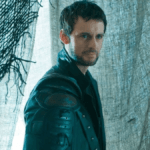
This article contains spoilers for all ten seasons of Smallville. Across 10 seasons, The CW series Smallville offered its own take on many villains from Superman’s extensive rogues’ gallery and also introduced its own unique characters into the mix. From season-long antagonists to freaks-of-the-week, Clark Kent (Tom Welling) and his allies faced off against a […]
The post Superman’s Freaks of the Week: The Best Smallville Villains appeared first on Den of Geek.
The Man of Steel isn’t the only DC hero who is getting a new look in James Gunn‘s universe. As part of his press tour for Superman, Gunn has let drop that a new Wonder Woman movie is in the works. This isn’t a huge surprise. After all, Wonder Woman’s arch-enemy Circe and the hero’s home island Themyscira were a big part of Creature Commandos, the first official part of Gunn and DC Studios co-head Peter Safran’s new DC Universe. Gunn has also previously mentioned a Game of Thrones-style television series among the first batch of DC Universe projects.
cnx({
playerId: “106e33c0-3911-473c-b599-b1426db57530”,
}).render(“0270c398a82f44f49c23c16122516796”);
});
Still, this is the first time Gunn’s confirmed that Diana will be back on the big screen. Now Gunn hasn’t provided any details, and he’s always been clear that movies only start shooting after they have a script in place, so we’ll likely have to wait a while for specifics. But we do know that Gunn likes to draw inspiration from the comics. That can be a good thing and a bad thing.
For such a foundational character to the DC Universe, a lot of boring to downright bad comics have been made about Diana. Even the Golden Age stories, which best embody creator William Moulton Marston’s belief that Wonder Woman comics could teach the world about the joys of loving submission to a powerful woman, have all the racism one would expect from the period, as well as too many jokes made about sidekick Etta Candy’s weight. Even worse are the stories that came after Marston, which could treat Diana as either a mindless innocent (see ignominious run by famed author Jodi Picoult) or as a cruel violent warrior (see… too many to count).
However, the best stories about Wonder Woman are among the best comics ever made. These comics understand that Wonder Woman is completely unique character among superheroes, an ambassador of peace and love who teaches compassion first, violence last. If Gunn follows these stories, five of which are listed here, then we’ll have a great Wonder Woman movie to enjoy.
The Twelve Labors, Wonder Woman #212-222 (1974–1976)
The Silver Age wasn’t the best time for Wonder Woman, perhaps best demonstrated by the infamous story when she loses her powers and becomes a martial arts expert/secret agent. But The Twelve Labors by Len Wein, Cary Bates, Elliot S. Maggin, Curt Swan, and others stands out as a bright spot in a dull time.
The premise is… not great. The Justice League of America needs to reevaluate Wonder Woman’s status and eligibility, so they put her through a series of tests. Yes, that’s a pretty ugly story, given that Wonder Woman (in this continuity) has been around since World War II and given that the League largely consists of men. But a surprisingly high amount of Silver Age DC stories are about superheroes pulling pranks on one another, so it’s not entirely as nefarious a concept as it might seem.
Despite whatever ickiness the premise evokes, The Twelve Labors mostly consists of various members of the League challenging Diana and losing. More than a mere power fantasy, the story serves to distinguish Wonder Woman from her fellow superheroes, showing how she can use her might, her wits, and her accessories to get the job done—not just relying on, say, super-speed or a power ring.
The Princess and the Power, Wonder Woman #1–14 (1987–1988)
Much has been written about Crisis on Infinite Earths and the comics that redefined major characters around that time, particularly Batman: Year One and Man of Steel. Too often people forget about the amazing reboot that writer and artist George Pérez did with Wonder Woman. So important is Pérez and co-writer Greg Potter’s reinvention that all of the other reboots that followed largely stuck with Pérez’s interpretation, save for the disastrous New 52 reimagining by Brian Azzarello and Cliff Chiang.
It’s easy to see why Pérez’s run endures. Pérez keyed in on the central hook that made Wonder Woman such a sensation in the Golden Age. She’s an outsider from a mythical paradise come to show the rest of the world a better way. Pérez’s Wonder Woman comes from the worlds of Greek gods far more than she does superheroes, which raises the stakes of her stories while also separating her power set from that of others. Moreover she’s an ambassador, one who doesn’t fully belong in “Man’s World.”
Under Pérez, Wonder Woman felt truly exceptional, even when she entered a world populated with people in capes flying around. She didn’t understand the rest of the world but she wasn’t naive either. The best parts of the Patty Jenkins movies understood this balance. Even though Gunn will be going his own direction from Jenkins’ films, he would do well to follow her lead and consult the Pérez books.
Down to Earth, Wonder Woman #195–200, 2003–2004)
Writer Greg Rucka’s Wonder Woman run rivals that of Pérez, not because he rebooted or reimagined the character, but because he took Pérez’s stories to their logical end. In Rucka’s first arc, “Down to Earth,” penciled by Drew Johnson, Wonder Woman is still an ambassador to the rest of the world, which means that she must serve a political purpose by representing Themyscira in the United Nations.
Instead of being embarrassed by the inherent goofiness of an Amazonian princess hanging out with diplomats in suits and ties, Rucka leans into the absurdity. A minotaur shows up in the office. Diana misses meetings to fight Doctor Psycho. Rucka also gives Diana her own Lex Luthor in Veronica Cale, a PR whiz who uses Wonder Woman’s own words against her.
Rucka likewise finds conflict in the way Diana’s idealism clashes with the rest of the world. The scenes in the new Superman trailer, in which Clark gets mad about being called out for stopping a war, feel like they come from Rucka’s Wonder Woman more than they do any Superman comic. But Rucka’s comics have one big difference: Diana knows that she represents her island and thus invokes the same rights and respect as any dignitary, even if that means fighting hostile nations.
Wonder Woman: Earth One, 2016–2021
This is a debatable pick, and some Wonder Woman fans will likely head straight to the comments. For as much as Grant Morrison completely understands Superman and Batman, they tend to stumble when writing Wonder Woman. By their own admission, Morrison moved Wonder Woman off the board early in 2005’s Final Crisis simply so they wouldn’t have to deal with her.
The three Earth One graphic novels do not prove that Morrison, working here with artist Yanick Paquette, has finally cracked Diana. There are A LOT of off-beat moments in the story, including an oft-shared panel in which she asks Steve Trevor, a Black man in this universe, to allow her to chain him up. However, even in that weird bit of dissonance—which, it should be pointed out, isn’t ignored, as Trevor explains to Diana why her request is so offensive and she listens—Morrison tries to get at the function of Wonder Woman.
William Moulton Marston created Wonder Woman in 1941 to spread his worldview, one built on the belief that society functions best if men enter into “loving submission” to powerful women. As a result, there’s a lot of bondage in early Wonder Woman comics, which serves a philosophical function more than it does a sexual function. That aspect has been forgotten by most modern Wonder Woman stories, but Morrison was right to bring it back, even if they did so imperfectly.
Wonder Woman: Outlaw, Wonder Woman #1-26, 2023–present
Yes, another controversial pick. Tom King‘s mix of philosophical inquiry, in which superheroes are just as likely to talk about their trauma via a quote from Kant as they are to punch a bad guy, and shocking shifts in status quo (looking at you, Ric Grayson) makes his miniseries fantastic and his in-universe ongoings a head scratcher. Yet King and artist Daniel Sampere’s work on Wonder Woman is the best continuation of Rucka’s approach that we’ve yet seen.
In the first few issues, Wonder Woman becomes an enemy of the U.S.; she has crossed paths with the Sovereign, the true King of America, who uses the nation as his plaything; and when she refuses to give up to American authorities an Amazonian sister who has apparently slaughtered citizens, she must stand against the country with whom she once allied.
King’s take on Wonder Woman is probably close to Gunn’s mind, as he has King in his writing room and because the upcoming Supergirl movie is based on King and Bilquis Evely’s miniseries Supergirl: The Woman of Tomorrow. In fact, the Sons of Themyscira, the men’s rights dorks who show up in Creature Commandos, feel like something out of King’s run. As is often the case, King’s story doesn’t work for everyone. Wonder Woman makes some decisions that feel out of character, and the story focuses more on the Sovereign than it does her. But it’s a stark reminder that Wonder Woman is not an American and that she’s willing to cross the USA when her moral code demands it.
Special Mention: Absolute Wonder Woman
For my money, Absolute Wonder Woman is the best of DC’s reimagined Absolute line. Writer Kelly Thompson somehow makes Wonder Woman sweeter and more noble within this darker reality and Hayden Sherman’s art is nothing short of stunning. However, it is a hard turn from the standard Wonder Woman tale and really takes place in its own reality, very different from the one Gunn is building on screen. Absolute Wonder Woman is certainly a better comic book and Wonder Woman story than some of the others on this list, but it isn’t necessarily a good guide for a new movie.
The post Wonder Woman: 5 Comic Book Stories James Gunn’s Reboot Could Adapt appeared first on Den of Geek.
Wonder Woman: 5 Comic Book Stories James Gunn’s Reboot Could Adapt

The Man of Steel isn’t the only DC hero who is getting a new look in James Gunn‘s universe. As part of his press tour for Superman, Gunn has let drop that a new Wonder Woman movie is in the works. This isn’t a huge surprise. After all, Wonder Woman’s arch-enemy Circe and the hero’s […]
The post Wonder Woman: 5 Comic Book Stories James Gunn’s Reboot Could Adapt appeared first on Den of Geek.
The Man of Steel isn’t the only DC hero who is getting a new look in James Gunn‘s universe. As part of his press tour for Superman, Gunn has let drop that a new Wonder Woman movie is in the works. This isn’t a huge surprise. After all, Wonder Woman’s arch-enemy Circe and the hero’s home island Themyscira were a big part of Creature Commandos, the first official part of Gunn and DC Studios co-head Peter Safran’s new DC Universe. Gunn has also previously mentioned a Game of Thrones-style television series among the first batch of DC Universe projects.
cnx({
playerId: “106e33c0-3911-473c-b599-b1426db57530”,
}).render(“0270c398a82f44f49c23c16122516796”);
});
Still, this is the first time Gunn’s confirmed that Diana will be back on the big screen. Now Gunn hasn’t provided any details, and he’s always been clear that movies only start shooting after they have a script in place, so we’ll likely have to wait a while for specifics. But we do know that Gunn likes to draw inspiration from the comics. That can be a good thing and a bad thing.
For such a foundational character to the DC Universe, a lot of boring to downright bad comics have been made about Diana. Even the Golden Age stories, which best embody creator William Moulton Marston’s belief that Wonder Woman comics could teach the world about the joys of loving submission to a powerful woman, have all the racism one would expect from the period, as well as too many jokes made about sidekick Etta Candy’s weight. Even worse are the stories that came after Marston, which could treat Diana as either a mindless innocent (see ignominious run by famed author Jodi Picoult) or as a cruel violent warrior (see… too many to count).
However, the best stories about Wonder Woman are among the best comics ever made. These comics understand that Wonder Woman is completely unique character among superheroes, an ambassador of peace and love who teaches compassion first, violence last. If Gunn follows these stories, five of which are listed here, then we’ll have a great Wonder Woman movie to enjoy.
The Twelve Labors, Wonder Woman #212-222 (1974–1976)
The Silver Age wasn’t the best time for Wonder Woman, perhaps best demonstrated by the infamous story when she loses her powers and becomes a martial arts expert/secret agent. But The Twelve Labors by Len Wein, Cary Bates, Elliot S. Maggin, Curt Swan, and others stands out as a bright spot in a dull time.
The premise is… not great. The Justice League of America needs to reevaluate Wonder Woman’s status and eligibility, so they put her through a series of tests. Yes, that’s a pretty ugly story, given that Wonder Woman (in this continuity) has been around since World War II and given that the League largely consists of men. But a surprisingly high amount of Silver Age DC stories are about superheroes pulling pranks on one another, so it’s not entirely as nefarious a concept as it might seem.
Despite whatever ickiness the premise evokes, The Twelve Labors mostly consists of various members of the League challenging Diana and losing. More than a mere power fantasy, the story serves to distinguish Wonder Woman from her fellow superheroes, showing how she can use her might, her wits, and her accessories to get the job done—not just relying on, say, super-speed or a power ring.
The Princess and the Power, Wonder Woman #1–14 (1987–1988)
Much has been written about Crisis on Infinite Earths and the comics that redefined major characters around that time, particularly Batman: Year One and Man of Steel. Too often people forget about the amazing reboot that writer and artist George Pérez did with Wonder Woman. So important is Pérez and co-writer Greg Potter’s reinvention that all of the other reboots that followed largely stuck with Pérez’s interpretation, save for the disastrous New 52 reimagining by Brian Azzarello and Cliff Chiang.
It’s easy to see why Pérez’s run endures. Pérez keyed in on the central hook that made Wonder Woman such a sensation in the Golden Age. She’s an outsider from a mythical paradise come to show the rest of the world a better way. Pérez’s Wonder Woman comes from the worlds of Greek gods far more than she does superheroes, which raises the stakes of her stories while also separating her power set from that of others. Moreover she’s an ambassador, one who doesn’t fully belong in “Man’s World.”
Under Pérez, Wonder Woman felt truly exceptional, even when she entered a world populated with people in capes flying around. She didn’t understand the rest of the world but she wasn’t naive either. The best parts of the Patty Jenkins movies understood this balance. Even though Gunn will be going his own direction from Jenkins’ films, he would do well to follow her lead and consult the Pérez books.
Down to Earth, Wonder Woman #195–200, 2003–2004)
Writer Greg Rucka’s Wonder Woman run rivals that of Pérez, not because he rebooted or reimagined the character, but because he took Pérez’s stories to their logical end. In Rucka’s first arc, “Down to Earth,” penciled by Drew Johnson, Wonder Woman is still an ambassador to the rest of the world, which means that she must serve a political purpose by representing Themyscira in the United Nations.
Instead of being embarrassed by the inherent goofiness of an Amazonian princess hanging out with diplomats in suits and ties, Rucka leans into the absurdity. A minotaur shows up in the office. Diana misses meetings to fight Doctor Psycho. Rucka also gives Diana her own Lex Luthor in Veronica Cale, a PR whiz who uses Wonder Woman’s own words against her.
Rucka likewise finds conflict in the way Diana’s idealism clashes with the rest of the world. The scenes in the new Superman trailer, in which Clark gets mad about being called out for stopping a war, feel like they come from Rucka’s Wonder Woman more than they do any Superman comic. But Rucka’s comics have one big difference: Diana knows that she represents her island and thus invokes the same rights and respect as any dignitary, even if that means fighting hostile nations.
Wonder Woman: Earth One, 2016–2021
This is a debatable pick, and some Wonder Woman fans will likely head straight to the comments. For as much as Grant Morrison completely understands Superman and Batman, they tend to stumble when writing Wonder Woman. By their own admission, Morrison moved Wonder Woman off the board early in 2005’s Final Crisis simply so they wouldn’t have to deal with her.
The three Earth One graphic novels do not prove that Morrison, working here with artist Yanick Paquette, has finally cracked Diana. There are A LOT of off-beat moments in the story, including an oft-shared panel in which she asks Steve Trevor, a Black man in this universe, to allow her to chain him up. However, even in that weird bit of dissonance—which, it should be pointed out, isn’t ignored, as Trevor explains to Diana why her request is so offensive and she listens—Morrison tries to get at the function of Wonder Woman.
William Moulton Marston created Wonder Woman in 1941 to spread his worldview, one built on the belief that society functions best if men enter into “loving submission” to powerful women. As a result, there’s a lot of bondage in early Wonder Woman comics, which serves a philosophical function more than it does a sexual function. That aspect has been forgotten by most modern Wonder Woman stories, but Morrison was right to bring it back, even if they did so imperfectly.
Wonder Woman: Outlaw, Wonder Woman #1-26, 2023–present
Yes, another controversial pick. Tom King‘s mix of philosophical inquiry, in which superheroes are just as likely to talk about their trauma via a quote from Kant as they are to punch a bad guy, and shocking shifts in status quo (looking at you, Ric Grayson) makes his miniseries fantastic and his in-universe ongoings a head scratcher. Yet King and artist Daniel Sampere’s work on Wonder Woman is the best continuation of Rucka’s approach that we’ve yet seen.
In the first few issues, Wonder Woman becomes an enemy of the U.S.; she has crossed paths with the Sovereign, the true King of America, who uses the nation as his plaything; and when she refuses to give up to American authorities an Amazonian sister who has apparently slaughtered citizens, she must stand against the country with whom she once allied.
King’s take on Wonder Woman is probably close to Gunn’s mind, as he has King in his writing room and because the upcoming Supergirl movie is based on King and Bilquis Evely’s miniseries Supergirl: The Woman of Tomorrow. In fact, the Sons of Themyscira, the men’s rights dorks who show up in Creature Commandos, feel like something out of King’s run. As is often the case, King’s story doesn’t work for everyone. Wonder Woman makes some decisions that feel out of character, and the story focuses more on the Sovereign than it does her. But it’s a stark reminder that Wonder Woman is not an American and that she’s willing to cross the USA when her moral code demands it.
Special Mention: Absolute Wonder Woman
For my money, Absolute Wonder Woman is the best of DC’s reimagined Absolute line. Writer Kelly Thompson somehow makes Wonder Woman sweeter and more noble within this darker reality and Hayden Sherman’s art is nothing short of stunning. However, it is a hard turn from the standard Wonder Woman tale and really takes place in its own reality, very different from the one Gunn is building on screen. Absolute Wonder Woman is certainly a better comic book and Wonder Woman story than some of the others on this list, but it isn’t necessarily a good guide for a new movie.
The post Wonder Woman: 5 Comic Book Stories James Gunn’s Reboot Could Adapt appeared first on Den of Geek.
Microplastics in Your Food Links Nanoplastics to Liver Damage and Glucose Imbalance
Next time you reach for a plastic-wrapped snack or sip from a disposable cup, remember: the real cost may not show up on the price tag, but in your liver enzymes or your glucose test.
The post Microplastics in Your Food Links Nanoplastics to Liver Damage and Glucose Imbalance appeared first on Green Prophet.
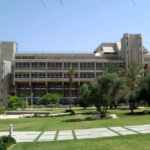
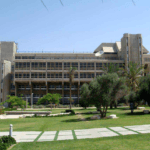
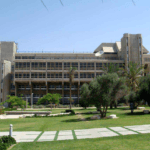
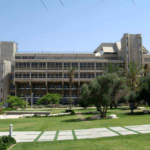
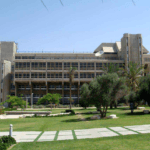
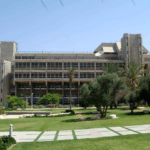
Ben-Gurion University Campus
Dr. Tamar Makov is a lecturer at the Guilford Glazer Faculty of Business and Management school at Ben-Gurion University of the Negev. Originally from Israel, she earned a BSc in Nutrition Science at the Hebrew University of Jerusalem before moving to the U.S. to complete an MA and PhD in Environmental Studies at Yale University. Recruited back to BGU in 2019, she now lectures at the university. Her research focuses on data science, circular economy, and life-cycle analysis.
See Related Article: Hebrew University Recognized as World Leader in Movement Ecology
At the heart of her work lies industrial ecology. The field of study that industrial ecology encapsulates is the analysis of the relationship between the natural environment and industrial processes to promote sustainable development. The aim of this idea is to minimize environmental impacts and promote efficiency by integrating production and consumption development. Critical characteristics of the field of study are life-cycle assessment, economy, and sustainability. While lifecycle assessment is widely taught throughout the U.S and European universities, Israel only has about five dedicated researchers in the field. Dr. Makov’s efforts, a new curriculum at the university, and other students are looking to change this.
At BGU, Dr. Makov’s research thrusts include:
- Looking into emerging tech, to model current production systems
- Identifying current “hotspots” to identify and lessen environmental impacts
- Digitalization studies, to examine how consumer behavior shifts in response to initiatives
- Second-hand culture, the study on how reuse is effective only when it replaces new production and use of resources
By intersecting research, data, and conclusions, Dr. Makov and her associates aim to bridge theory and real-world impact. To increase efficiency and sustainability while reducing harmful environmental practices and their impacts.
Lifecycle Analysis Flow Diagram, Credit: Mark Fedkin
Dr. Makov also lies at an interesting intersection herself. Her educational background at Yale University and her current job at BGU highlight some notable differences in the academic mindset between American and Israeli students. In America, it is much easier for students to focus on their education. While there are inconveniences and real, valid life events, students are still given the opportunity to focus entirely on their education. However, this is not the case for all students in Israel. Makov explains that it is more challenging for students to work, especially when focusing on certain school subjects. To many during a time of war, an environmental education can be seen as secondary. It is challenging to focus on sustainability when a war is unfolding in the backyard. Additionally, many of Makov’s students were in attendance at the Nova Festival during the October 7th terrorist attacks conducted by Hamas. These are just some of the challenges and experiences that Israeli students face when they decide to attend school.
See Related Article: Desert University Goes Green With Gusto
Even if students do decide to study the environment, their tough times do not disappear. On one occasion, Dr. Makov had students studying abroad in the Netherlands. During their final presentation, three of their classmates disregarded the instructions and instead targeted the few Israeli students. Instead of displaying their knowledge, they displayed their ignorance by spouting anti-Israel and anti-Semitic sentiment at the horror and shock of the other students.
Despite her international pedigree, Dr. Makov faces hurdles stemming from resource constraints and geopolitical tensions. Funding in Israel is much more limited than at major U.S. institutions. This means that research, grants, and funding overall need to be taken seriously and utilized in a careful and targeted way. Additionally, recruiting students with a background in the environmental field can be difficult. To add on, many institutions outside of Israel who used to send students to study at BGU have either pulled out, or the students have not wanted to come due to the war. Partnerships are fragile in general. One example of this came from Dr. Makov’s work on studying bluefish. The study was utilizing a particular software, one that Dr. Makov had used in the past. However, after the October 7th attacks and subsequent public response, the software company will pull its programming. This experience is not unique.
Ben-Gurion University of the Negev
Meanwhile, Dr. Makov reflects on her own time studying abroad at Yale, where she once shared an office with a Palestinian man from Gaza. This shows that collaboration and cooperation are possible. Today, along with many others, Dr. Makov observes that many activists in the U.S. and worldwide often conflate climate issues, Israel-Palestine issues, and other social issues. In her view, this distracts from all causes and forms a generalization. She says that we are better off focusing on issues that are urgent to environmental work: low-income and minority communities still face increased environmental risks, and emerging economies like China drive global emission increases. One example of this comes from Greta Thunberg. Thunberg, who is a climate activist, recently attempted to deliver symbolic aid to Gaza. Thus, bringing the two issues close in activist dialogue.
See Related Article: Climate Activist Greta Thunberg Joins Gaza Flotilla
As the war continues, Dr. Tamar Makov remains committed to expanding Israel’s footprint in industrial ecology and circular economy, even as she navigates a fractured global landscape. Her work demonstrates that rigorous methods, interdisciplinary teaching, and data-driven projects can still, and will continue to, pave the way toward a more sustainable future.
The post Life-Cycle Thinking Under Fire: Industrial Ecology Mission Amid Geopolitical Conflict appeared first on Green Prophet.
Asbestos and Cancer and Why Mesothelioma Is So Hard to Find Early — and Treat
And even when it does, it can look like other conditions—pneumonia, lung infections, or general respiratory issues. That makes early diagnosis incredibly difficult. And difficult for lawyers to win their cases.
The post Asbestos and Cancer and Why Mesothelioma Is So Hard to Find Early — and Treat appeared first on Green Prophet.
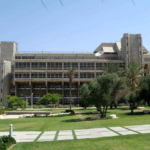
Ben-Gurion University Campus
Dr. Tamar Makov is a lecturer at the Guilford Glazer Faculty of Business and Management school at Ben-Gurion University of the Negev. Originally from Israel, she earned a BSc in Nutrition Science at the Hebrew University of Jerusalem before moving to the U.S. to complete an MA and PhD in Environmental Studies at Yale University. Recruited back to BGU in 2019, she now lectures at the university. Her research focuses on data science, circular economy, and life-cycle analysis.
See Related Article: Hebrew University Recognized as World Leader in Movement Ecology
At the heart of her work lies industrial ecology. The field of study that industrial ecology encapsulates is the analysis of the relationship between the natural environment and industrial processes to promote sustainable development. The aim of this idea is to minimize environmental impacts and promote efficiency by integrating production and consumption development. Critical characteristics of the field of study are life-cycle assessment, economy, and sustainability. While lifecycle assessment is widely taught throughout the U.S and European universities, Israel only has about five dedicated researchers in the field. Dr. Makov’s efforts, a new curriculum at the university, and other students are looking to change this.
At BGU, Dr. Makov’s research thrusts include:
- Looking into emerging tech, to model current production systems
- Identifying current “hotspots” to identify and lessen environmental impacts
- Digitalization studies, to examine how consumer behavior shifts in response to initiatives
- Second-hand culture, the study on how reuse is effective only when it replaces new production and use of resources
By intersecting research, data, and conclusions, Dr. Makov and her associates aim to bridge theory and real-world impact. To increase efficiency and sustainability while reducing harmful environmental practices and their impacts.
Lifecycle Analysis Flow Diagram, Credit: Mark Fedkin
Dr. Makov also lies at an interesting intersection herself. Her educational background at Yale University and her current job at BGU highlight some notable differences in the academic mindset between American and Israeli students. In America, it is much easier for students to focus on their education. While there are inconveniences and real, valid life events, students are still given the opportunity to focus entirely on their education. However, this is not the case for all students in Israel. Makov explains that it is more challenging for students to work, especially when focusing on certain school subjects. To many during a time of war, an environmental education can be seen as secondary. It is challenging to focus on sustainability when a war is unfolding in the backyard. Additionally, many of Makov’s students were in attendance at the Nova Festival during the October 7th terrorist attacks conducted by Hamas. These are just some of the challenges and experiences that Israeli students face when they decide to attend school.
See Related Article: Desert University Goes Green With Gusto
Even if students do decide to study the environment, their tough times do not disappear. On one occasion, Dr. Makov had students studying abroad in the Netherlands. During their final presentation, three of their classmates disregarded the instructions and instead targeted the few Israeli students. Instead of displaying their knowledge, they displayed their ignorance by spouting anti-Israel and anti-Semitic sentiment at the horror and shock of the other students.
Despite her international pedigree, Dr. Makov faces hurdles stemming from resource constraints and geopolitical tensions. Funding in Israel is much more limited than at major U.S. institutions. This means that research, grants, and funding overall need to be taken seriously and utilized in a careful and targeted way. Additionally, recruiting students with a background in the environmental field can be difficult. To add on, many institutions outside of Israel who used to send students to study at BGU have either pulled out, or the students have not wanted to come due to the war. Partnerships are fragile in general. One example of this came from Dr. Makov’s work on studying bluefish. The study was utilizing a particular software, one that Dr. Makov had used in the past. However, after the October 7th attacks and subsequent public response, the software company will pull its programming. This experience is not unique.
Ben-Gurion University of the Negev
Meanwhile, Dr. Makov reflects on her own time studying abroad at Yale, where she once shared an office with a Palestinian man from Gaza. This shows that collaboration and cooperation are possible. Today, along with many others, Dr. Makov observes that many activists in the U.S. and worldwide often conflate climate issues, Israel-Palestine issues, and other social issues. In her view, this distracts from all causes and forms a generalization. She says that we are better off focusing on issues that are urgent to environmental work: low-income and minority communities still face increased environmental risks, and emerging economies like China drive global emission increases. One example of this comes from Greta Thunberg. Thunberg, who is a climate activist, recently attempted to deliver symbolic aid to Gaza. Thus, bringing the two issues close in activist dialogue.
See Related Article: Climate Activist Greta Thunberg Joins Gaza Flotilla
As the war continues, Dr. Tamar Makov remains committed to expanding Israel’s footprint in industrial ecology and circular economy, even as she navigates a fractured global landscape. Her work demonstrates that rigorous methods, interdisciplinary teaching, and data-driven projects can still, and will continue to, pave the way toward a more sustainable future.
The post Life-Cycle Thinking Under Fire: Industrial Ecology Mission Amid Geopolitical Conflict appeared first on Green Prophet.
How SPNI is Rewilding Cities and Rebuilding Resilience
Gazelle grazing in Gazelle Valley, Jerusalem In the heart of Jerusalem, a city often defined by its layers of stone, history, and conflict, a special, quiet scene unfolds daily: a herd of over 100 endangered wild mountain gazelles roaming freely through the grasslands of a restored valley. Even in a time of war, Israeli children […]
The post How SPNI is Rewilding Cities and Rebuilding Resilience appeared first on Green Prophet.
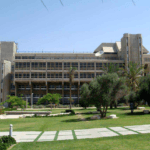
Ben-Gurion University Campus
Dr. Tamar Makov is a lecturer at the Guilford Glazer Faculty of Business and Management school at Ben-Gurion University of the Negev. Originally from Israel, she earned a BSc in Nutrition Science at the Hebrew University of Jerusalem before moving to the U.S. to complete an MA and PhD in Environmental Studies at Yale University. Recruited back to BGU in 2019, she now lectures at the university. Her research focuses on data science, circular economy, and life-cycle analysis.
See Related Article: Hebrew University Recognized as World Leader in Movement Ecology
At the heart of her work lies industrial ecology. The field of study that industrial ecology encapsulates is the analysis of the relationship between the natural environment and industrial processes to promote sustainable development. The aim of this idea is to minimize environmental impacts and promote efficiency by integrating production and consumption development. Critical characteristics of the field of study are life-cycle assessment, economy, and sustainability. While lifecycle assessment is widely taught throughout the U.S and European universities, Israel only has about five dedicated researchers in the field. Dr. Makov’s efforts, a new curriculum at the university, and other students are looking to change this.
At BGU, Dr. Makov’s research thrusts include:
- Looking into emerging tech, to model current production systems
- Identifying current “hotspots” to identify and lessen environmental impacts
- Digitalization studies, to examine how consumer behavior shifts in response to initiatives
- Second-hand culture, the study on how reuse is effective only when it replaces new production and use of resources
By intersecting research, data, and conclusions, Dr. Makov and her associates aim to bridge theory and real-world impact. To increase efficiency and sustainability while reducing harmful environmental practices and their impacts.
Lifecycle Analysis Flow Diagram, Credit: Mark Fedkin
Dr. Makov also lies at an interesting intersection herself. Her educational background at Yale University and her current job at BGU highlight some notable differences in the academic mindset between American and Israeli students. In America, it is much easier for students to focus on their education. While there are inconveniences and real, valid life events, students are still given the opportunity to focus entirely on their education. However, this is not the case for all students in Israel. Makov explains that it is more challenging for students to work, especially when focusing on certain school subjects. To many during a time of war, an environmental education can be seen as secondary. It is challenging to focus on sustainability when a war is unfolding in the backyard. Additionally, many of Makov’s students were in attendance at the Nova Festival during the October 7th terrorist attacks conducted by Hamas. These are just some of the challenges and experiences that Israeli students face when they decide to attend school.
See Related Article: Desert University Goes Green With Gusto
Even if students do decide to study the environment, their tough times do not disappear. On one occasion, Dr. Makov had students studying abroad in the Netherlands. During their final presentation, three of their classmates disregarded the instructions and instead targeted the few Israeli students. Instead of displaying their knowledge, they displayed their ignorance by spouting anti-Israel and anti-Semitic sentiment at the horror and shock of the other students.
Despite her international pedigree, Dr. Makov faces hurdles stemming from resource constraints and geopolitical tensions. Funding in Israel is much more limited than at major U.S. institutions. This means that research, grants, and funding overall need to be taken seriously and utilized in a careful and targeted way. Additionally, recruiting students with a background in the environmental field can be difficult. To add on, many institutions outside of Israel who used to send students to study at BGU have either pulled out, or the students have not wanted to come due to the war. Partnerships are fragile in general. One example of this came from Dr. Makov’s work on studying bluefish. The study was utilizing a particular software, one that Dr. Makov had used in the past. However, after the October 7th attacks and subsequent public response, the software company will pull its programming. This experience is not unique.
Ben-Gurion University of the Negev
Meanwhile, Dr. Makov reflects on her own time studying abroad at Yale, where she once shared an office with a Palestinian man from Gaza. This shows that collaboration and cooperation are possible. Today, along with many others, Dr. Makov observes that many activists in the U.S. and worldwide often conflate climate issues, Israel-Palestine issues, and other social issues. In her view, this distracts from all causes and forms a generalization. She says that we are better off focusing on issues that are urgent to environmental work: low-income and minority communities still face increased environmental risks, and emerging economies like China drive global emission increases. One example of this comes from Greta Thunberg. Thunberg, who is a climate activist, recently attempted to deliver symbolic aid to Gaza. Thus, bringing the two issues close in activist dialogue.
See Related Article: Climate Activist Greta Thunberg Joins Gaza Flotilla
As the war continues, Dr. Tamar Makov remains committed to expanding Israel’s footprint in industrial ecology and circular economy, even as she navigates a fractured global landscape. Her work demonstrates that rigorous methods, interdisciplinary teaching, and data-driven projects can still, and will continue to, pave the way toward a more sustainable future.
The post Life-Cycle Thinking Under Fire: Industrial Ecology Mission Amid Geopolitical Conflict appeared first on Green Prophet.
Inside the Kaaba: Islam’s Hidden Heart
We’ve all heard about Mecca, but what does it look like inside the black cube that Muslim pilgrims walk around? We take a peek inside.
The post Inside the Kaaba: Islam’s Hidden Heart appeared first on Green Prophet.
Ben-Gurion University Campus
Dr. Tamar Makov is a lecturer at the Guilford Glazer Faculty of Business and Management school at Ben-Gurion University of the Negev. Originally from Israel, she earned a BSc in Nutrition Science at the Hebrew University of Jerusalem before moving to the U.S. to complete an MA and PhD in Environmental Studies at Yale University. Recruited back to BGU in 2019, she now lectures at the university. Her research focuses on data science, circular economy, and life-cycle analysis.
See Related Article: Hebrew University Recognized as World Leader in Movement Ecology
At the heart of her work lies industrial ecology. The field of study that industrial ecology encapsulates is the analysis of the relationship between the natural environment and industrial processes to promote sustainable development. The aim of this idea is to minimize environmental impacts and promote efficiency by integrating production and consumption development. Critical characteristics of the field of study are life-cycle assessment, economy, and sustainability. While lifecycle assessment is widely taught throughout the U.S and European universities, Israel only has about five dedicated researchers in the field. Dr. Makov’s efforts, a new curriculum at the university, and other students are looking to change this.
At BGU, Dr. Makov’s research thrusts include:
- Looking into emerging tech, to model current production systems
- Identifying current “hotspots” to identify and lessen environmental impacts
- Digitalization studies, to examine how consumer behavior shifts in response to initiatives
- Second-hand culture, the study on how reuse is effective only when it replaces new production and use of resources
By intersecting research, data, and conclusions, Dr. Makov and her associates aim to bridge theory and real-world impact. To increase efficiency and sustainability while reducing harmful environmental practices and their impacts.
Lifecycle Analysis Flow Diagram, Credit: Mark Fedkin
Dr. Makov also lies at an interesting intersection herself. Her educational background at Yale University and her current job at BGU highlight some notable differences in the academic mindset between American and Israeli students. In America, it is much easier for students to focus on their education. While there are inconveniences and real, valid life events, students are still given the opportunity to focus entirely on their education. However, this is not the case for all students in Israel. Makov explains that it is more challenging for students to work, especially when focusing on certain school subjects. To many during a time of war, an environmental education can be seen as secondary. It is challenging to focus on sustainability when a war is unfolding in the backyard. Additionally, many of Makov’s students were in attendance at the Nova Festival during the October 7th terrorist attacks conducted by Hamas. These are just some of the challenges and experiences that Israeli students face when they decide to attend school.
See Related Article: Desert University Goes Green With Gusto
Even if students do decide to study the environment, their tough times do not disappear. On one occasion, Dr. Makov had students studying abroad in the Netherlands. During their final presentation, three of their classmates disregarded the instructions and instead targeted the few Israeli students. Instead of displaying their knowledge, they displayed their ignorance by spouting anti-Israel and anti-Semitic sentiment at the horror and shock of the other students.
Despite her international pedigree, Dr. Makov faces hurdles stemming from resource constraints and geopolitical tensions. Funding in Israel is much more limited than at major U.S. institutions. This means that research, grants, and funding overall need to be taken seriously and utilized in a careful and targeted way. Additionally, recruiting students with a background in the environmental field can be difficult. To add on, many institutions outside of Israel who used to send students to study at BGU have either pulled out, or the students have not wanted to come due to the war. Partnerships are fragile in general. One example of this came from Dr. Makov’s work on studying bluefish. The study was utilizing a particular software, one that Dr. Makov had used in the past. However, after the October 7th attacks and subsequent public response, the software company will pull its programming. This experience is not unique.
Ben-Gurion University of the Negev
Meanwhile, Dr. Makov reflects on her own time studying abroad at Yale, where she once shared an office with a Palestinian man from Gaza. This shows that collaboration and cooperation are possible. Today, along with many others, Dr. Makov observes that many activists in the U.S. and worldwide often conflate climate issues, Israel-Palestine issues, and other social issues. In her view, this distracts from all causes and forms a generalization. She says that we are better off focusing on issues that are urgent to environmental work: low-income and minority communities still face increased environmental risks, and emerging economies like China drive global emission increases. One example of this comes from Greta Thunberg. Thunberg, who is a climate activist, recently attempted to deliver symbolic aid to Gaza. Thus, bringing the two issues close in activist dialogue.
See Related Article: Climate Activist Greta Thunberg Joins Gaza Flotilla
As the war continues, Dr. Tamar Makov remains committed to expanding Israel’s footprint in industrial ecology and circular economy, even as she navigates a fractured global landscape. Her work demonstrates that rigorous methods, interdisciplinary teaching, and data-driven projects can still, and will continue to, pave the way toward a more sustainable future.
The post Life-Cycle Thinking Under Fire: Industrial Ecology Mission Amid Geopolitical Conflict appeared first on Green Prophet.
Greta Thunberg deported on plane back to Sweden
Greta Deported from Israel on a plane back to Sweden Swedish climate activist Greta Thunberg has been deported voluntarily from Israel following the interception of the Freedom Flotilla vessel Madleen, which aimed to break the Israeli naval blockade on Gaza and deliver humanitarian aid. The boat was seized in international waters on Sunday night by […]
The post Greta Thunberg deported on plane back to Sweden appeared first on Green Prophet.
Ben-Gurion University Campus
Dr. Tamar Makov is a lecturer at the Guilford Glazer Faculty of Business and Management school at Ben-Gurion University of the Negev. Originally from Israel, she earned a BSc in Nutrition Science at the Hebrew University of Jerusalem before moving to the U.S. to complete an MA and PhD in Environmental Studies at Yale University. Recruited back to BGU in 2019, she now lectures at the university. Her research focuses on data science, circular economy, and life-cycle analysis.
See Related Article: Hebrew University Recognized as World Leader in Movement Ecology
At the heart of her work lies industrial ecology. The field of study that industrial ecology encapsulates is the analysis of the relationship between the natural environment and industrial processes to promote sustainable development. The aim of this idea is to minimize environmental impacts and promote efficiency by integrating production and consumption development. Critical characteristics of the field of study are life-cycle assessment, economy, and sustainability. While lifecycle assessment is widely taught throughout the U.S and European universities, Israel only has about five dedicated researchers in the field. Dr. Makov’s efforts, a new curriculum at the university, and other students are looking to change this.
At BGU, Dr. Makov’s research thrusts include:
- Looking into emerging tech, to model current production systems
- Identifying current “hotspots” to identify and lessen environmental impacts
- Digitalization studies, to examine how consumer behavior shifts in response to initiatives
- Second-hand culture, the study on how reuse is effective only when it replaces new production and use of resources
By intersecting research, data, and conclusions, Dr. Makov and her associates aim to bridge theory and real-world impact. To increase efficiency and sustainability while reducing harmful environmental practices and their impacts.
Lifecycle Analysis Flow Diagram, Credit: Mark Fedkin
Dr. Makov also lies at an interesting intersection herself. Her educational background at Yale University and her current job at BGU highlight some notable differences in the academic mindset between American and Israeli students. In America, it is much easier for students to focus on their education. While there are inconveniences and real, valid life events, students are still given the opportunity to focus entirely on their education. However, this is not the case for all students in Israel. Makov explains that it is more challenging for students to work, especially when focusing on certain school subjects. To many during a time of war, an environmental education can be seen as secondary. It is challenging to focus on sustainability when a war is unfolding in the backyard. Additionally, many of Makov’s students were in attendance at the Nova Festival during the October 7th terrorist attacks conducted by Hamas. These are just some of the challenges and experiences that Israeli students face when they decide to attend school.
See Related Article: Desert University Goes Green With Gusto
Even if students do decide to study the environment, their tough times do not disappear. On one occasion, Dr. Makov had students studying abroad in the Netherlands. During their final presentation, three of their classmates disregarded the instructions and instead targeted the few Israeli students. Instead of displaying their knowledge, they displayed their ignorance by spouting anti-Israel and anti-Semitic sentiment at the horror and shock of the other students.
Despite her international pedigree, Dr. Makov faces hurdles stemming from resource constraints and geopolitical tensions. Funding in Israel is much more limited than at major U.S. institutions. This means that research, grants, and funding overall need to be taken seriously and utilized in a careful and targeted way. Additionally, recruiting students with a background in the environmental field can be difficult. To add on, many institutions outside of Israel who used to send students to study at BGU have either pulled out, or the students have not wanted to come due to the war. Partnerships are fragile in general. One example of this came from Dr. Makov’s work on studying bluefish. The study was utilizing a particular software, one that Dr. Makov had used in the past. However, after the October 7th attacks and subsequent public response, the software company will pull its programming. This experience is not unique.
Ben-Gurion University of the Negev
Meanwhile, Dr. Makov reflects on her own time studying abroad at Yale, where she once shared an office with a Palestinian man from Gaza. This shows that collaboration and cooperation are possible. Today, along with many others, Dr. Makov observes that many activists in the U.S. and worldwide often conflate climate issues, Israel-Palestine issues, and other social issues. In her view, this distracts from all causes and forms a generalization. She says that we are better off focusing on issues that are urgent to environmental work: low-income and minority communities still face increased environmental risks, and emerging economies like China drive global emission increases. One example of this comes from Greta Thunberg. Thunberg, who is a climate activist, recently attempted to deliver symbolic aid to Gaza. Thus, bringing the two issues close in activist dialogue.
See Related Article: Climate Activist Greta Thunberg Joins Gaza Flotilla
As the war continues, Dr. Tamar Makov remains committed to expanding Israel’s footprint in industrial ecology and circular economy, even as she navigates a fractured global landscape. Her work demonstrates that rigorous methods, interdisciplinary teaching, and data-driven projects can still, and will continue to, pave the way toward a more sustainable future.
The post Life-Cycle Thinking Under Fire: Industrial Ecology Mission Amid Geopolitical Conflict appeared first on Green Prophet.
All About Ancient Mesopotamian Beer
The Sumarians’ brewing methods developed over the ages into the beer we know today. Yet making alcohol from bread mashed into liquid has never left people’s minds. We have a funny note on that: jailbird booze.
The post All About Ancient Mesopotamian Beer appeared first on Green Prophet.
Ben-Gurion University Campus
Dr. Tamar Makov is a lecturer at the Guilford Glazer Faculty of Business and Management school at Ben-Gurion University of the Negev. Originally from Israel, she earned a BSc in Nutrition Science at the Hebrew University of Jerusalem before moving to the U.S. to complete an MA and PhD in Environmental Studies at Yale University. Recruited back to BGU in 2019, she now lectures at the university. Her research focuses on data science, circular economy, and life-cycle analysis.
See Related Article: Hebrew University Recognized as World Leader in Movement Ecology
At the heart of her work lies industrial ecology. The field of study that industrial ecology encapsulates is the analysis of the relationship between the natural environment and industrial processes to promote sustainable development. The aim of this idea is to minimize environmental impacts and promote efficiency by integrating production and consumption development. Critical characteristics of the field of study are life-cycle assessment, economy, and sustainability. While lifecycle assessment is widely taught throughout the U.S and European universities, Israel only has about five dedicated researchers in the field. Dr. Makov’s efforts, a new curriculum at the university, and other students are looking to change this.
At BGU, Dr. Makov’s research thrusts include:
- Looking into emerging tech, to model current production systems
- Identifying current “hotspots” to identify and lessen environmental impacts
- Digitalization studies, to examine how consumer behavior shifts in response to initiatives
- Second-hand culture, the study on how reuse is effective only when it replaces new production and use of resources
By intersecting research, data, and conclusions, Dr. Makov and her associates aim to bridge theory and real-world impact. To increase efficiency and sustainability while reducing harmful environmental practices and their impacts.
Lifecycle Analysis Flow Diagram, Credit: Mark Fedkin
Dr. Makov also lies at an interesting intersection herself. Her educational background at Yale University and her current job at BGU highlight some notable differences in the academic mindset between American and Israeli students. In America, it is much easier for students to focus on their education. While there are inconveniences and real, valid life events, students are still given the opportunity to focus entirely on their education. However, this is not the case for all students in Israel. Makov explains that it is more challenging for students to work, especially when focusing on certain school subjects. To many during a time of war, an environmental education can be seen as secondary. It is challenging to focus on sustainability when a war is unfolding in the backyard. Additionally, many of Makov’s students were in attendance at the Nova Festival during the October 7th terrorist attacks conducted by Hamas. These are just some of the challenges and experiences that Israeli students face when they decide to attend school.
See Related Article: Desert University Goes Green With Gusto
Even if students do decide to study the environment, their tough times do not disappear. On one occasion, Dr. Makov had students studying abroad in the Netherlands. During their final presentation, three of their classmates disregarded the instructions and instead targeted the few Israeli students. Instead of displaying their knowledge, they displayed their ignorance by spouting anti-Israel and anti-Semitic sentiment at the horror and shock of the other students.
Despite her international pedigree, Dr. Makov faces hurdles stemming from resource constraints and geopolitical tensions. Funding in Israel is much more limited than at major U.S. institutions. This means that research, grants, and funding overall need to be taken seriously and utilized in a careful and targeted way. Additionally, recruiting students with a background in the environmental field can be difficult. To add on, many institutions outside of Israel who used to send students to study at BGU have either pulled out, or the students have not wanted to come due to the war. Partnerships are fragile in general. One example of this came from Dr. Makov’s work on studying bluefish. The study was utilizing a particular software, one that Dr. Makov had used in the past. However, after the October 7th attacks and subsequent public response, the software company will pull its programming. This experience is not unique.
Ben-Gurion University of the Negev
Meanwhile, Dr. Makov reflects on her own time studying abroad at Yale, where she once shared an office with a Palestinian man from Gaza. This shows that collaboration and cooperation are possible. Today, along with many others, Dr. Makov observes that many activists in the U.S. and worldwide often conflate climate issues, Israel-Palestine issues, and other social issues. In her view, this distracts from all causes and forms a generalization. She says that we are better off focusing on issues that are urgent to environmental work: low-income and minority communities still face increased environmental risks, and emerging economies like China drive global emission increases. One example of this comes from Greta Thunberg. Thunberg, who is a climate activist, recently attempted to deliver symbolic aid to Gaza. Thus, bringing the two issues close in activist dialogue.
See Related Article: Climate Activist Greta Thunberg Joins Gaza Flotilla
As the war continues, Dr. Tamar Makov remains committed to expanding Israel’s footprint in industrial ecology and circular economy, even as she navigates a fractured global landscape. Her work demonstrates that rigorous methods, interdisciplinary teaching, and data-driven projects can still, and will continue to, pave the way toward a more sustainable future.
The post Life-Cycle Thinking Under Fire: Industrial Ecology Mission Amid Geopolitical Conflict appeared first on Green Prophet.
SPNI’s Eco-Therapy Program Offers Vital Support and Resilience in Post-October 7 Israel
Looking forward, “Nature Heals” does not plan to stop its work after the war is over. It plans only to expand and become a mainstay in eco-therapy. The program provides a compelling blueprint for trauma response and underscores the profound impact that eco-therapy can have on an individual. The goal SPNI set for itself is to engage over 700 students from the West Negev to Northern Israel at no cost.
The post SPNI’s Eco-Therapy Program Offers Vital Support and Resilience in Post-October 7 Israel appeared first on Green Prophet.
Ben-Gurion University Campus
Dr. Tamar Makov is a lecturer at the Guilford Glazer Faculty of Business and Management school at Ben-Gurion University of the Negev. Originally from Israel, she earned a BSc in Nutrition Science at the Hebrew University of Jerusalem before moving to the U.S. to complete an MA and PhD in Environmental Studies at Yale University. Recruited back to BGU in 2019, she now lectures at the university. Her research focuses on data science, circular economy, and life-cycle analysis.
See Related Article: Hebrew University Recognized as World Leader in Movement Ecology
At the heart of her work lies industrial ecology. The field of study that industrial ecology encapsulates is the analysis of the relationship between the natural environment and industrial processes to promote sustainable development. The aim of this idea is to minimize environmental impacts and promote efficiency by integrating production and consumption development. Critical characteristics of the field of study are life-cycle assessment, economy, and sustainability. While lifecycle assessment is widely taught throughout the U.S and European universities, Israel only has about five dedicated researchers in the field. Dr. Makov’s efforts, a new curriculum at the university, and other students are looking to change this.
At BGU, Dr. Makov’s research thrusts include:
- Looking into emerging tech, to model current production systems
- Identifying current “hotspots” to identify and lessen environmental impacts
- Digitalization studies, to examine how consumer behavior shifts in response to initiatives
- Second-hand culture, the study on how reuse is effective only when it replaces new production and use of resources
By intersecting research, data, and conclusions, Dr. Makov and her associates aim to bridge theory and real-world impact. To increase efficiency and sustainability while reducing harmful environmental practices and their impacts.
Lifecycle Analysis Flow Diagram, Credit: Mark Fedkin
Dr. Makov also lies at an interesting intersection herself. Her educational background at Yale University and her current job at BGU highlight some notable differences in the academic mindset between American and Israeli students. In America, it is much easier for students to focus on their education. While there are inconveniences and real, valid life events, students are still given the opportunity to focus entirely on their education. However, this is not the case for all students in Israel. Makov explains that it is more challenging for students to work, especially when focusing on certain school subjects. To many during a time of war, an environmental education can be seen as secondary. It is challenging to focus on sustainability when a war is unfolding in the backyard. Additionally, many of Makov’s students were in attendance at the Nova Festival during the October 7th terrorist attacks conducted by Hamas. These are just some of the challenges and experiences that Israeli students face when they decide to attend school.
See Related Article: Desert University Goes Green With Gusto
Even if students do decide to study the environment, their tough times do not disappear. On one occasion, Dr. Makov had students studying abroad in the Netherlands. During their final presentation, three of their classmates disregarded the instructions and instead targeted the few Israeli students. Instead of displaying their knowledge, they displayed their ignorance by spouting anti-Israel and anti-Semitic sentiment at the horror and shock of the other students.
Despite her international pedigree, Dr. Makov faces hurdles stemming from resource constraints and geopolitical tensions. Funding in Israel is much more limited than at major U.S. institutions. This means that research, grants, and funding overall need to be taken seriously and utilized in a careful and targeted way. Additionally, recruiting students with a background in the environmental field can be difficult. To add on, many institutions outside of Israel who used to send students to study at BGU have either pulled out, or the students have not wanted to come due to the war. Partnerships are fragile in general. One example of this came from Dr. Makov’s work on studying bluefish. The study was utilizing a particular software, one that Dr. Makov had used in the past. However, after the October 7th attacks and subsequent public response, the software company will pull its programming. This experience is not unique.
Ben-Gurion University of the Negev
Meanwhile, Dr. Makov reflects on her own time studying abroad at Yale, where she once shared an office with a Palestinian man from Gaza. This shows that collaboration and cooperation are possible. Today, along with many others, Dr. Makov observes that many activists in the U.S. and worldwide often conflate climate issues, Israel-Palestine issues, and other social issues. In her view, this distracts from all causes and forms a generalization. She says that we are better off focusing on issues that are urgent to environmental work: low-income and minority communities still face increased environmental risks, and emerging economies like China drive global emission increases. One example of this comes from Greta Thunberg. Thunberg, who is a climate activist, recently attempted to deliver symbolic aid to Gaza. Thus, bringing the two issues close in activist dialogue.
See Related Article: Climate Activist Greta Thunberg Joins Gaza Flotilla
As the war continues, Dr. Tamar Makov remains committed to expanding Israel’s footprint in industrial ecology and circular economy, even as she navigates a fractured global landscape. Her work demonstrates that rigorous methods, interdisciplinary teaching, and data-driven projects can still, and will continue to, pave the way toward a more sustainable future.
The post Life-Cycle Thinking Under Fire: Industrial Ecology Mission Amid Geopolitical Conflict appeared first on Green Prophet.
Is sea acidity a ticking time bomb?
“Ocean acidification isn’t just an environmental crisis —it’s a ticking time‑bomb for marine ecosystems and coastal economies.”
The post Is sea acidity a ticking time bomb? appeared first on Green Prophet.
Ben-Gurion University Campus
Dr. Tamar Makov is a lecturer at the Guilford Glazer Faculty of Business and Management school at Ben-Gurion University of the Negev. Originally from Israel, she earned a BSc in Nutrition Science at the Hebrew University of Jerusalem before moving to the U.S. to complete an MA and PhD in Environmental Studies at Yale University. Recruited back to BGU in 2019, she now lectures at the university. Her research focuses on data science, circular economy, and life-cycle analysis.
See Related Article: Hebrew University Recognized as World Leader in Movement Ecology
At the heart of her work lies industrial ecology. The field of study that industrial ecology encapsulates is the analysis of the relationship between the natural environment and industrial processes to promote sustainable development. The aim of this idea is to minimize environmental impacts and promote efficiency by integrating production and consumption development. Critical characteristics of the field of study are life-cycle assessment, economy, and sustainability. While lifecycle assessment is widely taught throughout the U.S and European universities, Israel only has about five dedicated researchers in the field. Dr. Makov’s efforts, a new curriculum at the university, and other students are looking to change this.
At BGU, Dr. Makov’s research thrusts include:
- Looking into emerging tech, to model current production systems
- Identifying current “hotspots” to identify and lessen environmental impacts
- Digitalization studies, to examine how consumer behavior shifts in response to initiatives
- Second-hand culture, the study on how reuse is effective only when it replaces new production and use of resources
By intersecting research, data, and conclusions, Dr. Makov and her associates aim to bridge theory and real-world impact. To increase efficiency and sustainability while reducing harmful environmental practices and their impacts.
Lifecycle Analysis Flow Diagram, Credit: Mark Fedkin
Dr. Makov also lies at an interesting intersection herself. Her educational background at Yale University and her current job at BGU highlight some notable differences in the academic mindset between American and Israeli students. In America, it is much easier for students to focus on their education. While there are inconveniences and real, valid life events, students are still given the opportunity to focus entirely on their education. However, this is not the case for all students in Israel. Makov explains that it is more challenging for students to work, especially when focusing on certain school subjects. To many during a time of war, an environmental education can be seen as secondary. It is challenging to focus on sustainability when a war is unfolding in the backyard. Additionally, many of Makov’s students were in attendance at the Nova Festival during the October 7th terrorist attacks conducted by Hamas. These are just some of the challenges and experiences that Israeli students face when they decide to attend school.
See Related Article: Desert University Goes Green With Gusto
Even if students do decide to study the environment, their tough times do not disappear. On one occasion, Dr. Makov had students studying abroad in the Netherlands. During their final presentation, three of their classmates disregarded the instructions and instead targeted the few Israeli students. Instead of displaying their knowledge, they displayed their ignorance by spouting anti-Israel and anti-Semitic sentiment at the horror and shock of the other students.
Despite her international pedigree, Dr. Makov faces hurdles stemming from resource constraints and geopolitical tensions. Funding in Israel is much more limited than at major U.S. institutions. This means that research, grants, and funding overall need to be taken seriously and utilized in a careful and targeted way. Additionally, recruiting students with a background in the environmental field can be difficult. To add on, many institutions outside of Israel who used to send students to study at BGU have either pulled out, or the students have not wanted to come due to the war. Partnerships are fragile in general. One example of this came from Dr. Makov’s work on studying bluefish. The study was utilizing a particular software, one that Dr. Makov had used in the past. However, after the October 7th attacks and subsequent public response, the software company will pull its programming. This experience is not unique.
Ben-Gurion University of the Negev
Meanwhile, Dr. Makov reflects on her own time studying abroad at Yale, where she once shared an office with a Palestinian man from Gaza. This shows that collaboration and cooperation are possible. Today, along with many others, Dr. Makov observes that many activists in the U.S. and worldwide often conflate climate issues, Israel-Palestine issues, and other social issues. In her view, this distracts from all causes and forms a generalization. She says that we are better off focusing on issues that are urgent to environmental work: low-income and minority communities still face increased environmental risks, and emerging economies like China drive global emission increases. One example of this comes from Greta Thunberg. Thunberg, who is a climate activist, recently attempted to deliver symbolic aid to Gaza. Thus, bringing the two issues close in activist dialogue.
See Related Article: Climate Activist Greta Thunberg Joins Gaza Flotilla
As the war continues, Dr. Tamar Makov remains committed to expanding Israel’s footprint in industrial ecology and circular economy, even as she navigates a fractured global landscape. Her work demonstrates that rigorous methods, interdisciplinary teaching, and data-driven projects can still, and will continue to, pave the way toward a more sustainable future.
The post Life-Cycle Thinking Under Fire: Industrial Ecology Mission Amid Geopolitical Conflict appeared first on Green Prophet.