The Emirates wants to help Lebanon become a sustainable winner
Can sustainable experts change the future of Lebanon for the better? The UAE is leading the way.
The post The Emirates wants to help Lebanon become a sustainable winner appeared first on Green Prophet.
Everyone wants smooth skin with a healthy glow. People are willing to pay plenty to achieve that, and many rely on anti-acne products to clear up those unattractive pimples and inflamed skin. As archeology has discovered, people used cosmetic creams as far back as in ancient Rome.
Some products may bought over the counter, and some require a doctor’s prescription. But what we confidently regarded as safe allies in the fight against acne turn out not to be so safe after all. Benzoyl peroxide, an antibacterial agent found in some popular anti-acne products, may break down into carcinogenic benzine. Read Karin’s post on the FDA’s recall of anti-acne products.
Think of applying a lotion or cream containing benzoyl peroxide to your face every day. You can’t know if the gel you squeeze out of that tube is in the process of breaking down into benzine, but research suggests that it will.
So what we do to keep our skins free of acne?
Here we have to look at the origins of acne breakouts. Genetics, unfortunately, factor in. If your parents tend towards acne, it’s likely you will too. You’ll probably need to make some lifestyle changes.
Other factors causing acne may be hormonal flare-ups, stress, not enough sleep, not drinking enough plain water, and a diet rich in sugar and processed and fatty foods. Like French fries and industrially-produced hamburgers, and packaged snacks. Cigarette smoke, lots of coffee, and frequent alcoholic drinks also damage your skin.
To maintain healthy skin, we need not only to avoid junk food, but to consume foods and beverages rich in anti-oxidants. Find something that falls into the popular “super-food” category that’s appetizing, and consume it every day. Green tea, very anti-oxidant; drink it instead of Coke. Fresh produce, either cooked or raw, and preferably home-made…the list is familiar, but no less valid for that. Tons of any ideas for healthy snacks circulate around the Ne. Find some that appeal to you. Then eat them, instead of junk food.
If stress is causing your skin to break out, practice yoga. Seriously. The gentle exercise increases blood circulation, bringing that all-important oxygen to every part of you, and in addition, relaxes and makes you feel more alive.
Drink a lot of plain H2O. Water scours your organs and helps eliminate toxins.
Keep your skin clean with herbal infusions that soothe inflammation and exert anti-microbial power over the grime you’re exposed to over the day. Some suggested herbs:
Chamomile
Lavender
Green tea
Echinacea
Rosemary
Sage
Marigold
Pour 1/2 cup boiling water over 1 tablespoon of herb, cover, and wait 10 minutes. Strain. Splash your face with the infusion; it feels good when it’s warm, but can be used cold. Pat your face dry with a clean towel; do not rinse the tea away.
Optionally, add a drop of tea tree essential oil – one drop only – to the herbal infusion. If using the essential oil, avoid getting the infusion in your eyes.
Raw honey has antimicrobial and anti-inflammatory properties. Use clean q-tips to pat drops of honey on bad acne. Do not put the used q-tip back in the honey; get a fresh one if needed. Leave the honey on the skin for 10 minutes, the gently rinse it off.
Change your pillow case nightly, optimally after having cleaned your face.
Always remove makeup before sleeping.
Sugar has its cosmetic uses. To exfoliate and cleanse the skin, wet your face with water or herbal infusion. Drop about a tablespoon of white or brown sugar into the palm of your wet hand and gently rub your face with it. Don’t scrub yourself to death. Rinse the sugar off and pat your face dry.
Some get acne on their backs. An effective remedy is a long, wet loofah sponge well saturated with soap, rubbed across the back in the shower. A long-handled brush with soft bristles will do the same.
Miracle meds containing benzoyl peroxide aren’t what you’re looking for anymore. Try a weekly facial mask made by combining an infusion of plantain leaf , chickweed, and marigold flowers with cosmetic-grade white or green clay. Plantain draws infected matter out of skin tissue and soothes inflamed skin. So does chickweed. Marigold flowers have strong anti-bacterial properties.
How to make a herbal mask
Have ready a teapot or clean glass jar. Put 1 tablespoon each plantain, chickweed, and marigold flowers in it and pour a cup of boiling water over the herbs. (If using a glass jar, set it on a kitchen towel to avoid thermal shock, which might crack it.) Stir. Cover the infusion and wait 15 minutes. Strain it.
Dissolve about 3 tablespoons of cosmetic-grade clay with the herbal infusion enough to make a thin paste. Apply the paste to clean, moist skin. Put music on – read a book – drink green tea – hang out for 10-15 minutes. The mask will start to dry; that’s fine. Rinse it off with warm water or herbal infusion. Pat your face dry.
If you can’t source fresh herbs, you can probably find them dried in health food stores. Or find them online. I suggest combining those plantain, chickweed and marigold, but any but any one of those noted above can be used to make a skin-healing infusion.
Note: Chickweed is useful in drawing out pus from inflamed pimples or boils. I have also applied chickweed to styes in the eyes and to clean up pinkeye. A poultice of fresh chickweed is best: crush a handful of clean herb in your clean hands and apply the messy green stuff to the infected area. It will start to feel warm; even hot. At that point, remove the poultice and wash your hands. However, dried chickweed also works, if infused into boiling water as described above. In that case, use only 1/2 cup water per tablespoon of dried herb. Dip sterile cotton into the strained infusion and apply it to the infection. Discard the cotton after a few minutes and wash your hands.
For a skin-soothing facial mask that uses ordinary kitchen ingredients, blend a washed but unpeeled organic cucumber with 1/8 cup yogurt and 1 tablespoon raw honey. Spread the mask on and rinse off after 15 minutes. It won’t be as medicinal as the herb/clay mask, but it will reduce painful redness and leave the skin softer.
The post Make Safe Herbal Anti-Acne Products appeared first on Green Prophet.
Benzene in Your Teen’s Acne Cream? What You Need to Know About the Hidden Carcinogen in Skincare Products
In a disturbing discovery that should concern every skincare consumer, an independent laboratory has found dangerous levels of benzene—a well-known cancer-causing chemical—in common over-the-counter acne treatments. The FDA has since issued voluntary recalls of several top brands, including products from La Roche-Posay, Proactiv, and Walgreens. But for many experts, this action may have come too late.
The post Benzene in Your Teen’s Acne Cream? What You Need to Know About the Hidden Carcinogen in Skincare Products appeared first on Green Prophet.
Everyone wants smooth skin with a healthy glow. People are willing to pay plenty to achieve that, and many rely on anti-acne products to clear up those unattractive pimples and inflamed skin. As archeology has discovered, people used cosmetic creams as far back as in ancient Rome.
Some products may bought over the counter, and some require a doctor’s prescription. But what we confidently regarded as safe allies in the fight against acne turn out not to be so safe after all. Benzoyl peroxide, an antibacterial agent found in some popular anti-acne products, may break down into carcinogenic benzine. Read Karin’s post on the FDA’s recall of anti-acne products.
Think of applying a lotion or cream containing benzoyl peroxide to your face every day. You can’t know if the gel you squeeze out of that tube is in the process of breaking down into benzine, but research suggests that it will.
So what we do to keep our skins free of acne?
Here we have to look at the origins of acne breakouts. Genetics, unfortunately, factor in. If your parents tend towards acne, it’s likely you will too. You’ll probably need to make some lifestyle changes.
Other factors causing acne may be hormonal flare-ups, stress, not enough sleep, not drinking enough plain water, and a diet rich in sugar and processed and fatty foods. Like French fries and industrially-produced hamburgers, and packaged snacks. Cigarette smoke, lots of coffee, and frequent alcoholic drinks also damage your skin.
To maintain healthy skin, we need not only to avoid junk food, but to consume foods and beverages rich in anti-oxidants. Find something that falls into the popular “super-food” category that’s appetizing, and consume it every day. Green tea, very anti-oxidant; drink it instead of Coke. Fresh produce, either cooked or raw, and preferably home-made…the list is familiar, but no less valid for that. Tons of any ideas for healthy snacks circulate around the Ne. Find some that appeal to you. Then eat them, instead of junk food.
If stress is causing your skin to break out, practice yoga. Seriously. The gentle exercise increases blood circulation, bringing that all-important oxygen to every part of you, and in addition, relaxes and makes you feel more alive.
Drink a lot of plain H2O. Water scours your organs and helps eliminate toxins.
Keep your skin clean with herbal infusions that soothe inflammation and exert anti-microbial power over the grime you’re exposed to over the day. Some suggested herbs:
Chamomile
Lavender
Green tea
Echinacea
Rosemary
Sage
Marigold
Pour 1/2 cup boiling water over 1 tablespoon of herb, cover, and wait 10 minutes. Strain. Splash your face with the infusion; it feels good when it’s warm, but can be used cold. Pat your face dry with a clean towel; do not rinse the tea away.
Optionally, add a drop of tea tree essential oil – one drop only – to the herbal infusion. If using the essential oil, avoid getting the infusion in your eyes.
Raw honey has antimicrobial and anti-inflammatory properties. Use clean q-tips to pat drops of honey on bad acne. Do not put the used q-tip back in the honey; get a fresh one if needed. Leave the honey on the skin for 10 minutes, the gently rinse it off.
Change your pillow case nightly, optimally after having cleaned your face.
Always remove makeup before sleeping.
Sugar has its cosmetic uses. To exfoliate and cleanse the skin, wet your face with water or herbal infusion. Drop about a tablespoon of white or brown sugar into the palm of your wet hand and gently rub your face with it. Don’t scrub yourself to death. Rinse the sugar off and pat your face dry.
Some get acne on their backs. An effective remedy is a long, wet loofah sponge well saturated with soap, rubbed across the back in the shower. A long-handled brush with soft bristles will do the same.
Miracle meds containing benzoyl peroxide aren’t what you’re looking for anymore. Try a weekly facial mask made by combining an infusion of plantain leaf , chickweed, and marigold flowers with cosmetic-grade white or green clay. Plantain draws infected matter out of skin tissue and soothes inflamed skin. So does chickweed. Marigold flowers have strong anti-bacterial properties.
How to make a herbal mask
Have ready a teapot or clean glass jar. Put 1 tablespoon each plantain, chickweed, and marigold flowers in it and pour a cup of boiling water over the herbs. (If using a glass jar, set it on a kitchen towel to avoid thermal shock, which might crack it.) Stir. Cover the infusion and wait 15 minutes. Strain it.
Dissolve about 3 tablespoons of cosmetic-grade clay with the herbal infusion enough to make a thin paste. Apply the paste to clean, moist skin. Put music on – read a book – drink green tea – hang out for 10-15 minutes. The mask will start to dry; that’s fine. Rinse it off with warm water or herbal infusion. Pat your face dry.
If you can’t source fresh herbs, you can probably find them dried in health food stores. Or find them online. I suggest combining those plantain, chickweed and marigold, but any but any one of those noted above can be used to make a skin-healing infusion.
Note: Chickweed is useful in drawing out pus from inflamed pimples or boils. I have also applied chickweed to styes in the eyes and to clean up pinkeye. A poultice of fresh chickweed is best: crush a handful of clean herb in your clean hands and apply the messy green stuff to the infected area. It will start to feel warm; even hot. At that point, remove the poultice and wash your hands. However, dried chickweed also works, if infused into boiling water as described above. In that case, use only 1/2 cup water per tablespoon of dried herb. Dip sterile cotton into the strained infusion and apply it to the infection. Discard the cotton after a few minutes and wash your hands.
For a skin-soothing facial mask that uses ordinary kitchen ingredients, blend a washed but unpeeled organic cucumber with 1/8 cup yogurt and 1 tablespoon raw honey. Spread the mask on and rinse off after 15 minutes. It won’t be as medicinal as the herb/clay mask, but it will reduce painful redness and leave the skin softer.
The post Make Safe Herbal Anti-Acne Products appeared first on Green Prophet.
The Ancient Art of Singing to Babies: A Global Tradition, Now Backed by Science
In homes from rural Kenya to Tokyo high-rises, one universal thread connects us across culture, language, and belief: singing to babies. Now, a new study out of Yale University offers scientific validation to what parents and caregivers have known for generations—singing soothes babies, lifts their moods, and strengthens early emotional bonds.
The post The Ancient Art of Singing to Babies: A Global Tradition, Now Backed by Science appeared first on Green Prophet.
Everyone wants smooth skin with a healthy glow. People are willing to pay plenty to achieve that, and many rely on anti-acne products to clear up those unattractive pimples and inflamed skin. As archeology has discovered, people used cosmetic creams as far back as in ancient Rome.
Some products may bought over the counter, and some require a doctor’s prescription. But what we confidently regarded as safe allies in the fight against acne turn out not to be so safe after all. Benzoyl peroxide, an antibacterial agent found in some popular anti-acne products, may break down into carcinogenic benzine. Read Karin’s post on the FDA’s recall of anti-acne products.
Think of applying a lotion or cream containing benzoyl peroxide to your face every day. You can’t know if the gel you squeeze out of that tube is in the process of breaking down into benzine, but research suggests that it will.
So what we do to keep our skins free of acne?
Here we have to look at the origins of acne breakouts. Genetics, unfortunately, factor in. If your parents tend towards acne, it’s likely you will too. You’ll probably need to make some lifestyle changes.
Other factors causing acne may be hormonal flare-ups, stress, not enough sleep, not drinking enough plain water, and a diet rich in sugar and processed and fatty foods. Like French fries and industrially-produced hamburgers, and packaged snacks. Cigarette smoke, lots of coffee, and frequent alcoholic drinks also damage your skin.
To maintain healthy skin, we need not only to avoid junk food, but to consume foods and beverages rich in anti-oxidants. Find something that falls into the popular “super-food” category that’s appetizing, and consume it every day. Green tea, very anti-oxidant; drink it instead of Coke. Fresh produce, either cooked or raw, and preferably home-made…the list is familiar, but no less valid for that. Tons of any ideas for healthy snacks circulate around the Ne. Find some that appeal to you. Then eat them, instead of junk food.
If stress is causing your skin to break out, practice yoga. Seriously. The gentle exercise increases blood circulation, bringing that all-important oxygen to every part of you, and in addition, relaxes and makes you feel more alive.
Drink a lot of plain H2O. Water scours your organs and helps eliminate toxins.
Keep your skin clean with herbal infusions that soothe inflammation and exert anti-microbial power over the grime you’re exposed to over the day. Some suggested herbs:
Chamomile
Lavender
Green tea
Echinacea
Rosemary
Sage
Marigold
Pour 1/2 cup boiling water over 1 tablespoon of herb, cover, and wait 10 minutes. Strain. Splash your face with the infusion; it feels good when it’s warm, but can be used cold. Pat your face dry with a clean towel; do not rinse the tea away.
Optionally, add a drop of tea tree essential oil – one drop only – to the herbal infusion. If using the essential oil, avoid getting the infusion in your eyes.
Raw honey has antimicrobial and anti-inflammatory properties. Use clean q-tips to pat drops of honey on bad acne. Do not put the used q-tip back in the honey; get a fresh one if needed. Leave the honey on the skin for 10 minutes, the gently rinse it off.
Change your pillow case nightly, optimally after having cleaned your face.
Always remove makeup before sleeping.
Sugar has its cosmetic uses. To exfoliate and cleanse the skin, wet your face with water or herbal infusion. Drop about a tablespoon of white or brown sugar into the palm of your wet hand and gently rub your face with it. Don’t scrub yourself to death. Rinse the sugar off and pat your face dry.
Some get acne on their backs. An effective remedy is a long, wet loofah sponge well saturated with soap, rubbed across the back in the shower. A long-handled brush with soft bristles will do the same.
Miracle meds containing benzoyl peroxide aren’t what you’re looking for anymore. Try a weekly facial mask made by combining an infusion of plantain leaf , chickweed, and marigold flowers with cosmetic-grade white or green clay. Plantain draws infected matter out of skin tissue and soothes inflamed skin. So does chickweed. Marigold flowers have strong anti-bacterial properties.
How to make a herbal mask
Have ready a teapot or clean glass jar. Put 1 tablespoon each plantain, chickweed, and marigold flowers in it and pour a cup of boiling water over the herbs. (If using a glass jar, set it on a kitchen towel to avoid thermal shock, which might crack it.) Stir. Cover the infusion and wait 15 minutes. Strain it.
Dissolve about 3 tablespoons of cosmetic-grade clay with the herbal infusion enough to make a thin paste. Apply the paste to clean, moist skin. Put music on – read a book – drink green tea – hang out for 10-15 minutes. The mask will start to dry; that’s fine. Rinse it off with warm water or herbal infusion. Pat your face dry.
If you can’t source fresh herbs, you can probably find them dried in health food stores. Or find them online. I suggest combining those plantain, chickweed and marigold, but any but any one of those noted above can be used to make a skin-healing infusion.
Note: Chickweed is useful in drawing out pus from inflamed pimples or boils. I have also applied chickweed to styes in the eyes and to clean up pinkeye. A poultice of fresh chickweed is best: crush a handful of clean herb in your clean hands and apply the messy green stuff to the infected area. It will start to feel warm; even hot. At that point, remove the poultice and wash your hands. However, dried chickweed also works, if infused into boiling water as described above. In that case, use only 1/2 cup water per tablespoon of dried herb. Dip sterile cotton into the strained infusion and apply it to the infection. Discard the cotton after a few minutes and wash your hands.
For a skin-soothing facial mask that uses ordinary kitchen ingredients, blend a washed but unpeeled organic cucumber with 1/8 cup yogurt and 1 tablespoon raw honey. Spread the mask on and rinse off after 15 minutes. It won’t be as medicinal as the herb/clay mask, but it will reduce painful redness and leave the skin softer.
The post Make Safe Herbal Anti-Acne Products appeared first on Green Prophet.
Jordan turns to ancient fire and mines volcanic soil to solve water crisis
In the volcanic highlands of northern Jordan, north of Amman engineers are mining a natural resource not for energy, but for agriculture. The material: crushed volcanic rock, now processed into a mineral-rich soil that may hold the key to reducing water and fertilizer demand in arid regions.
The post Jordan turns to ancient fire and mines volcanic soil to solve water crisis appeared first on Green Prophet.
Everyone wants smooth skin with a healthy glow. People are willing to pay plenty to achieve that, and many rely on anti-acne products to clear up those unattractive pimples and inflamed skin. As archeology has discovered, people used cosmetic creams as far back as in ancient Rome.
Some products may bought over the counter, and some require a doctor’s prescription. But what we confidently regarded as safe allies in the fight against acne turn out not to be so safe after all. Benzoyl peroxide, an antibacterial agent found in some popular anti-acne products, may break down into carcinogenic benzine. Read Karin’s post on the FDA’s recall of anti-acne products.
Think of applying a lotion or cream containing benzoyl peroxide to your face every day. You can’t know if the gel you squeeze out of that tube is in the process of breaking down into benzine, but research suggests that it will.
So what we do to keep our skins free of acne?
Here we have to look at the origins of acne breakouts. Genetics, unfortunately, factor in. If your parents tend towards acne, it’s likely you will too. You’ll probably need to make some lifestyle changes.
Other factors causing acne may be hormonal flare-ups, stress, not enough sleep, not drinking enough plain water, and a diet rich in sugar and processed and fatty foods. Like French fries and industrially-produced hamburgers, and packaged snacks. Cigarette smoke, lots of coffee, and frequent alcoholic drinks also damage your skin.
To maintain healthy skin, we need not only to avoid junk food, but to consume foods and beverages rich in anti-oxidants. Find something that falls into the popular “super-food” category that’s appetizing, and consume it every day. Green tea, very anti-oxidant; drink it instead of Coke. Fresh produce, either cooked or raw, and preferably home-made…the list is familiar, but no less valid for that. Tons of any ideas for healthy snacks circulate around the Ne. Find some that appeal to you. Then eat them, instead of junk food.
If stress is causing your skin to break out, practice yoga. Seriously. The gentle exercise increases blood circulation, bringing that all-important oxygen to every part of you, and in addition, relaxes and makes you feel more alive.
Drink a lot of plain H2O. Water scours your organs and helps eliminate toxins.
Keep your skin clean with herbal infusions that soothe inflammation and exert anti-microbial power over the grime you’re exposed to over the day. Some suggested herbs:
Chamomile
Lavender
Green tea
Echinacea
Rosemary
Sage
Marigold
Pour 1/2 cup boiling water over 1 tablespoon of herb, cover, and wait 10 minutes. Strain. Splash your face with the infusion; it feels good when it’s warm, but can be used cold. Pat your face dry with a clean towel; do not rinse the tea away.
Optionally, add a drop of tea tree essential oil – one drop only – to the herbal infusion. If using the essential oil, avoid getting the infusion in your eyes.
Raw honey has antimicrobial and anti-inflammatory properties. Use clean q-tips to pat drops of honey on bad acne. Do not put the used q-tip back in the honey; get a fresh one if needed. Leave the honey on the skin for 10 minutes, the gently rinse it off.
Change your pillow case nightly, optimally after having cleaned your face.
Always remove makeup before sleeping.
Sugar has its cosmetic uses. To exfoliate and cleanse the skin, wet your face with water or herbal infusion. Drop about a tablespoon of white or brown sugar into the palm of your wet hand and gently rub your face with it. Don’t scrub yourself to death. Rinse the sugar off and pat your face dry.
Some get acne on their backs. An effective remedy is a long, wet loofah sponge well saturated with soap, rubbed across the back in the shower. A long-handled brush with soft bristles will do the same.
Miracle meds containing benzoyl peroxide aren’t what you’re looking for anymore. Try a weekly facial mask made by combining an infusion of plantain leaf , chickweed, and marigold flowers with cosmetic-grade white or green clay. Plantain draws infected matter out of skin tissue and soothes inflamed skin. So does chickweed. Marigold flowers have strong anti-bacterial properties.
How to make a herbal mask
Have ready a teapot or clean glass jar. Put 1 tablespoon each plantain, chickweed, and marigold flowers in it and pour a cup of boiling water over the herbs. (If using a glass jar, set it on a kitchen towel to avoid thermal shock, which might crack it.) Stir. Cover the infusion and wait 15 minutes. Strain it.
Dissolve about 3 tablespoons of cosmetic-grade clay with the herbal infusion enough to make a thin paste. Apply the paste to clean, moist skin. Put music on – read a book – drink green tea – hang out for 10-15 minutes. The mask will start to dry; that’s fine. Rinse it off with warm water or herbal infusion. Pat your face dry.
If you can’t source fresh herbs, you can probably find them dried in health food stores. Or find them online. I suggest combining those plantain, chickweed and marigold, but any but any one of those noted above can be used to make a skin-healing infusion.
Note: Chickweed is useful in drawing out pus from inflamed pimples or boils. I have also applied chickweed to styes in the eyes and to clean up pinkeye. A poultice of fresh chickweed is best: crush a handful of clean herb in your clean hands and apply the messy green stuff to the infected area. It will start to feel warm; even hot. At that point, remove the poultice and wash your hands. However, dried chickweed also works, if infused into boiling water as described above. In that case, use only 1/2 cup water per tablespoon of dried herb. Dip sterile cotton into the strained infusion and apply it to the infection. Discard the cotton after a few minutes and wash your hands.
For a skin-soothing facial mask that uses ordinary kitchen ingredients, blend a washed but unpeeled organic cucumber with 1/8 cup yogurt and 1 tablespoon raw honey. Spread the mask on and rinse off after 15 minutes. It won’t be as medicinal as the herb/clay mask, but it will reduce painful redness and leave the skin softer.
The post Make Safe Herbal Anti-Acne Products appeared first on Green Prophet.
Climate, Not Just People, Is Driving Central Asia’s Desertification, Study Finds
In a sweeping analysis of drylands across Central Asia, scientists have found that natural environmental forces—particularly declining snow levels and rising temperatures—are more responsible for desertification than human activity.
The post Climate, Not Just People, Is Driving Central Asia’s Desertification, Study Finds appeared first on Green Prophet.
Everyone wants smooth skin with a healthy glow. People are willing to pay plenty to achieve that, and many rely on anti-acne products to clear up those unattractive pimples and inflamed skin. As archeology has discovered, people used cosmetic creams as far back as in ancient Rome.
Some products may bought over the counter, and some require a doctor’s prescription. But what we confidently regarded as safe allies in the fight against acne turn out not to be so safe after all. Benzoyl peroxide, an antibacterial agent found in some popular anti-acne products, may break down into carcinogenic benzine. Read Karin’s post on the FDA’s recall of anti-acne products.
Think of applying a lotion or cream containing benzoyl peroxide to your face every day. You can’t know if the gel you squeeze out of that tube is in the process of breaking down into benzine, but research suggests that it will.
So what we do to keep our skins free of acne?
Here we have to look at the origins of acne breakouts. Genetics, unfortunately, factor in. If your parents tend towards acne, it’s likely you will too. You’ll probably need to make some lifestyle changes.
Other factors causing acne may be hormonal flare-ups, stress, not enough sleep, not drinking enough plain water, and a diet rich in sugar and processed and fatty foods. Like French fries and industrially-produced hamburgers, and packaged snacks. Cigarette smoke, lots of coffee, and frequent alcoholic drinks also damage your skin.
To maintain healthy skin, we need not only to avoid junk food, but to consume foods and beverages rich in anti-oxidants. Find something that falls into the popular “super-food” category that’s appetizing, and consume it every day. Green tea, very anti-oxidant; drink it instead of Coke. Fresh produce, either cooked or raw, and preferably home-made…the list is familiar, but no less valid for that. Tons of any ideas for healthy snacks circulate around the Ne. Find some that appeal to you. Then eat them, instead of junk food.
If stress is causing your skin to break out, practice yoga. Seriously. The gentle exercise increases blood circulation, bringing that all-important oxygen to every part of you, and in addition, relaxes and makes you feel more alive.
Drink a lot of plain H2O. Water scours your organs and helps eliminate toxins.
Keep your skin clean with herbal infusions that soothe inflammation and exert anti-microbial power over the grime you’re exposed to over the day. Some suggested herbs:
Chamomile
Lavender
Green tea
Echinacea
Rosemary
Sage
Marigold
Pour 1/2 cup boiling water over 1 tablespoon of herb, cover, and wait 10 minutes. Strain. Splash your face with the infusion; it feels good when it’s warm, but can be used cold. Pat your face dry with a clean towel; do not rinse the tea away.
Optionally, add a drop of tea tree essential oil – one drop only – to the herbal infusion. If using the essential oil, avoid getting the infusion in your eyes.
Raw honey has antimicrobial and anti-inflammatory properties. Use clean q-tips to pat drops of honey on bad acne. Do not put the used q-tip back in the honey; get a fresh one if needed. Leave the honey on the skin for 10 minutes, the gently rinse it off.
Change your pillow case nightly, optimally after having cleaned your face.
Always remove makeup before sleeping.
Sugar has its cosmetic uses. To exfoliate and cleanse the skin, wet your face with water or herbal infusion. Drop about a tablespoon of white or brown sugar into the palm of your wet hand and gently rub your face with it. Don’t scrub yourself to death. Rinse the sugar off and pat your face dry.
Some get acne on their backs. An effective remedy is a long, wet loofah sponge well saturated with soap, rubbed across the back in the shower. A long-handled brush with soft bristles will do the same.
Miracle meds containing benzoyl peroxide aren’t what you’re looking for anymore. Try a weekly facial mask made by combining an infusion of plantain leaf , chickweed, and marigold flowers with cosmetic-grade white or green clay. Plantain draws infected matter out of skin tissue and soothes inflamed skin. So does chickweed. Marigold flowers have strong anti-bacterial properties.
How to make a herbal mask
Have ready a teapot or clean glass jar. Put 1 tablespoon each plantain, chickweed, and marigold flowers in it and pour a cup of boiling water over the herbs. (If using a glass jar, set it on a kitchen towel to avoid thermal shock, which might crack it.) Stir. Cover the infusion and wait 15 minutes. Strain it.
Dissolve about 3 tablespoons of cosmetic-grade clay with the herbal infusion enough to make a thin paste. Apply the paste to clean, moist skin. Put music on – read a book – drink green tea – hang out for 10-15 minutes. The mask will start to dry; that’s fine. Rinse it off with warm water or herbal infusion. Pat your face dry.
If you can’t source fresh herbs, you can probably find them dried in health food stores. Or find them online. I suggest combining those plantain, chickweed and marigold, but any but any one of those noted above can be used to make a skin-healing infusion.
Note: Chickweed is useful in drawing out pus from inflamed pimples or boils. I have also applied chickweed to styes in the eyes and to clean up pinkeye. A poultice of fresh chickweed is best: crush a handful of clean herb in your clean hands and apply the messy green stuff to the infected area. It will start to feel warm; even hot. At that point, remove the poultice and wash your hands. However, dried chickweed also works, if infused into boiling water as described above. In that case, use only 1/2 cup water per tablespoon of dried herb. Dip sterile cotton into the strained infusion and apply it to the infection. Discard the cotton after a few minutes and wash your hands.
For a skin-soothing facial mask that uses ordinary kitchen ingredients, blend a washed but unpeeled organic cucumber with 1/8 cup yogurt and 1 tablespoon raw honey. Spread the mask on and rinse off after 15 minutes. It won’t be as medicinal as the herb/clay mask, but it will reduce painful redness and leave the skin softer.
The post Make Safe Herbal Anti-Acne Products appeared first on Green Prophet.
Meala FoodTech and dsm-firmenich Launch Vertis PB Pea, A Plant-Based Meat Alternative
With manufacturing already underway in Europe, the Vertis PB Pea launch signals Meala’s readiness to scale internationally. The company plans to expand into North America and Asia over the next 18 months, as plant-based brands increasingly prioritize formulation efficiency and transparency.
The post Meala FoodTech and dsm-firmenich Launch Vertis PB Pea, A Plant-Based Meat Alternative appeared first on Green Prophet.
Everyone wants smooth skin with a healthy glow. People are willing to pay plenty to achieve that, and many rely on anti-acne products to clear up those unattractive pimples and inflamed skin. As archeology has discovered, people used cosmetic creams as far back as in ancient Rome.
Some products may bought over the counter, and some require a doctor’s prescription. But what we confidently regarded as safe allies in the fight against acne turn out not to be so safe after all. Benzoyl peroxide, an antibacterial agent found in some popular anti-acne products, may break down into carcinogenic benzine. Read Karin’s post on the FDA’s recall of anti-acne products.
Think of applying a lotion or cream containing benzoyl peroxide to your face every day. You can’t know if the gel you squeeze out of that tube is in the process of breaking down into benzine, but research suggests that it will.
So what we do to keep our skins free of acne?
Here we have to look at the origins of acne breakouts. Genetics, unfortunately, factor in. If your parents tend towards acne, it’s likely you will too. You’ll probably need to make some lifestyle changes.
Other factors causing acne may be hormonal flare-ups, stress, not enough sleep, not drinking enough plain water, and a diet rich in sugar and processed and fatty foods. Like French fries and industrially-produced hamburgers, and packaged snacks. Cigarette smoke, lots of coffee, and frequent alcoholic drinks also damage your skin.
To maintain healthy skin, we need not only to avoid junk food, but to consume foods and beverages rich in anti-oxidants. Find something that falls into the popular “super-food” category that’s appetizing, and consume it every day. Green tea, very anti-oxidant; drink it instead of Coke. Fresh produce, either cooked or raw, and preferably home-made…the list is familiar, but no less valid for that. Tons of any ideas for healthy snacks circulate around the Ne. Find some that appeal to you. Then eat them, instead of junk food.
If stress is causing your skin to break out, practice yoga. Seriously. The gentle exercise increases blood circulation, bringing that all-important oxygen to every part of you, and in addition, relaxes and makes you feel more alive.
Drink a lot of plain H2O. Water scours your organs and helps eliminate toxins.
Keep your skin clean with herbal infusions that soothe inflammation and exert anti-microbial power over the grime you’re exposed to over the day. Some suggested herbs:
Chamomile
Lavender
Green tea
Echinacea
Rosemary
Sage
Marigold
Pour 1/2 cup boiling water over 1 tablespoon of herb, cover, and wait 10 minutes. Strain. Splash your face with the infusion; it feels good when it’s warm, but can be used cold. Pat your face dry with a clean towel; do not rinse the tea away.
Optionally, add a drop of tea tree essential oil – one drop only – to the herbal infusion. If using the essential oil, avoid getting the infusion in your eyes.
Raw honey has antimicrobial and anti-inflammatory properties. Use clean q-tips to pat drops of honey on bad acne. Do not put the used q-tip back in the honey; get a fresh one if needed. Leave the honey on the skin for 10 minutes, the gently rinse it off.
Change your pillow case nightly, optimally after having cleaned your face.
Always remove makeup before sleeping.
Sugar has its cosmetic uses. To exfoliate and cleanse the skin, wet your face with water or herbal infusion. Drop about a tablespoon of white or brown sugar into the palm of your wet hand and gently rub your face with it. Don’t scrub yourself to death. Rinse the sugar off and pat your face dry.
Some get acne on their backs. An effective remedy is a long, wet loofah sponge well saturated with soap, rubbed across the back in the shower. A long-handled brush with soft bristles will do the same.
Miracle meds containing benzoyl peroxide aren’t what you’re looking for anymore. Try a weekly facial mask made by combining an infusion of plantain leaf , chickweed, and marigold flowers with cosmetic-grade white or green clay. Plantain draws infected matter out of skin tissue and soothes inflamed skin. So does chickweed. Marigold flowers have strong anti-bacterial properties.
How to make a herbal mask
Have ready a teapot or clean glass jar. Put 1 tablespoon each plantain, chickweed, and marigold flowers in it and pour a cup of boiling water over the herbs. (If using a glass jar, set it on a kitchen towel to avoid thermal shock, which might crack it.) Stir. Cover the infusion and wait 15 minutes. Strain it.
Dissolve about 3 tablespoons of cosmetic-grade clay with the herbal infusion enough to make a thin paste. Apply the paste to clean, moist skin. Put music on – read a book – drink green tea – hang out for 10-15 minutes. The mask will start to dry; that’s fine. Rinse it off with warm water or herbal infusion. Pat your face dry.
If you can’t source fresh herbs, you can probably find them dried in health food stores. Or find them online. I suggest combining those plantain, chickweed and marigold, but any but any one of those noted above can be used to make a skin-healing infusion.
Note: Chickweed is useful in drawing out pus from inflamed pimples or boils. I have also applied chickweed to styes in the eyes and to clean up pinkeye. A poultice of fresh chickweed is best: crush a handful of clean herb in your clean hands and apply the messy green stuff to the infected area. It will start to feel warm; even hot. At that point, remove the poultice and wash your hands. However, dried chickweed also works, if infused into boiling water as described above. In that case, use only 1/2 cup water per tablespoon of dried herb. Dip sterile cotton into the strained infusion and apply it to the infection. Discard the cotton after a few minutes and wash your hands.
For a skin-soothing facial mask that uses ordinary kitchen ingredients, blend a washed but unpeeled organic cucumber with 1/8 cup yogurt and 1 tablespoon raw honey. Spread the mask on and rinse off after 15 minutes. It won’t be as medicinal as the herb/clay mask, but it will reduce painful redness and leave the skin softer.
The post Make Safe Herbal Anti-Acne Products appeared first on Green Prophet.
How mice hear with their whiskers and what this means for robotics
I met this usual scientist from Russia who was sure that people can hear with their skin. Maybe he wasn’t so nuts after all? Scientists have no found a mechanism that help mice hear, and it’s in their whiskers. This might explain how blind voles can get around. And it may have applications in robotics.
The post How mice hear with their whiskers and what this means for robotics appeared first on Green Prophet.
Everyone wants smooth skin with a healthy glow. People are willing to pay plenty to achieve that, and many rely on anti-acne products to clear up those unattractive pimples and inflamed skin. As archeology has discovered, people used cosmetic creams as far back as in ancient Rome.
Some products may bought over the counter, and some require a doctor’s prescription. But what we confidently regarded as safe allies in the fight against acne turn out not to be so safe after all. Benzoyl peroxide, an antibacterial agent found in some popular anti-acne products, may break down into carcinogenic benzine. Read Karin’s post on the FDA’s recall of anti-acne products.
Think of applying a lotion or cream containing benzoyl peroxide to your face every day. You can’t know if the gel you squeeze out of that tube is in the process of breaking down into benzine, but research suggests that it will.
So what we do to keep our skins free of acne?
Here we have to look at the origins of acne breakouts. Genetics, unfortunately, factor in. If your parents tend towards acne, it’s likely you will too. You’ll probably need to make some lifestyle changes.
Other factors causing acne may be hormonal flare-ups, stress, not enough sleep, not drinking enough plain water, and a diet rich in sugar and processed and fatty foods. Like French fries and industrially-produced hamburgers, and packaged snacks. Cigarette smoke, lots of coffee, and frequent alcoholic drinks also damage your skin.
To maintain healthy skin, we need not only to avoid junk food, but to consume foods and beverages rich in anti-oxidants. Find something that falls into the popular “super-food” category that’s appetizing, and consume it every day. Green tea, very anti-oxidant; drink it instead of Coke. Fresh produce, either cooked or raw, and preferably home-made…the list is familiar, but no less valid for that. Tons of any ideas for healthy snacks circulate around the Ne. Find some that appeal to you. Then eat them, instead of junk food.
If stress is causing your skin to break out, practice yoga. Seriously. The gentle exercise increases blood circulation, bringing that all-important oxygen to every part of you, and in addition, relaxes and makes you feel more alive.
Drink a lot of plain H2O. Water scours your organs and helps eliminate toxins.
Keep your skin clean with herbal infusions that soothe inflammation and exert anti-microbial power over the grime you’re exposed to over the day. Some suggested herbs:
Chamomile
Lavender
Green tea
Echinacea
Rosemary
Sage
Marigold
Pour 1/2 cup boiling water over 1 tablespoon of herb, cover, and wait 10 minutes. Strain. Splash your face with the infusion; it feels good when it’s warm, but can be used cold. Pat your face dry with a clean towel; do not rinse the tea away.
Optionally, add a drop of tea tree essential oil – one drop only – to the herbal infusion. If using the essential oil, avoid getting the infusion in your eyes.
Raw honey has antimicrobial and anti-inflammatory properties. Use clean q-tips to pat drops of honey on bad acne. Do not put the used q-tip back in the honey; get a fresh one if needed. Leave the honey on the skin for 10 minutes, the gently rinse it off.
Change your pillow case nightly, optimally after having cleaned your face.
Always remove makeup before sleeping.
Sugar has its cosmetic uses. To exfoliate and cleanse the skin, wet your face with water or herbal infusion. Drop about a tablespoon of white or brown sugar into the palm of your wet hand and gently rub your face with it. Don’t scrub yourself to death. Rinse the sugar off and pat your face dry.
Some get acne on their backs. An effective remedy is a long, wet loofah sponge well saturated with soap, rubbed across the back in the shower. A long-handled brush with soft bristles will do the same.
Miracle meds containing benzoyl peroxide aren’t what you’re looking for anymore. Try a weekly facial mask made by combining an infusion of plantain leaf , chickweed, and marigold flowers with cosmetic-grade white or green clay. Plantain draws infected matter out of skin tissue and soothes inflamed skin. So does chickweed. Marigold flowers have strong anti-bacterial properties.
How to make a herbal mask
Have ready a teapot or clean glass jar. Put 1 tablespoon each plantain, chickweed, and marigold flowers in it and pour a cup of boiling water over the herbs. (If using a glass jar, set it on a kitchen towel to avoid thermal shock, which might crack it.) Stir. Cover the infusion and wait 15 minutes. Strain it.
Dissolve about 3 tablespoons of cosmetic-grade clay with the herbal infusion enough to make a thin paste. Apply the paste to clean, moist skin. Put music on – read a book – drink green tea – hang out for 10-15 minutes. The mask will start to dry; that’s fine. Rinse it off with warm water or herbal infusion. Pat your face dry.
If you can’t source fresh herbs, you can probably find them dried in health food stores. Or find them online. I suggest combining those plantain, chickweed and marigold, but any but any one of those noted above can be used to make a skin-healing infusion.
Note: Chickweed is useful in drawing out pus from inflamed pimples or boils. I have also applied chickweed to styes in the eyes and to clean up pinkeye. A poultice of fresh chickweed is best: crush a handful of clean herb in your clean hands and apply the messy green stuff to the infected area. It will start to feel warm; even hot. At that point, remove the poultice and wash your hands. However, dried chickweed also works, if infused into boiling water as described above. In that case, use only 1/2 cup water per tablespoon of dried herb. Dip sterile cotton into the strained infusion and apply it to the infection. Discard the cotton after a few minutes and wash your hands.
For a skin-soothing facial mask that uses ordinary kitchen ingredients, blend a washed but unpeeled organic cucumber with 1/8 cup yogurt and 1 tablespoon raw honey. Spread the mask on and rinse off after 15 minutes. It won’t be as medicinal as the herb/clay mask, but it will reduce painful redness and leave the skin softer.
The post Make Safe Herbal Anti-Acne Products appeared first on Green Prophet.
Make Safe Herbal Anti-Acne Products
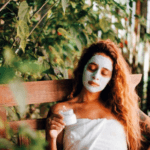
Everyone wants smooth skin with a healthy glow. People are willing to pay plenty to achieve that, and many rely on anti-acne products to clear up those unattractive pimples and inflamed skin. As archeology has discovered, people used cosmetic creams as far back as in ancient Rome. Some products may bought over the counter, and […]
The post Make Safe Herbal Anti-Acne Products appeared first on Green Prophet.
Everyone wants smooth skin with a healthy glow. People are willing to pay plenty to achieve that, and many rely on anti-acne products to clear up those unattractive pimples and inflamed skin. As archeology has discovered, people used cosmetic creams as far back as in ancient Rome.
Some products may bought over the counter, and some require a doctor’s prescription. But what we confidently regarded as safe allies in the fight against acne turn out not to be so safe after all. Benzoyl peroxide, an antibacterial agent found in some popular anti-acne products, may break down into carcinogenic benzine. Read Karin’s post on the FDA’s recall of anti-acne products.
Think of applying a lotion or cream containing benzoyl peroxide to your face every day. You can’t know if the gel you squeeze out of that tube is in the process of breaking down into benzine, but research suggests that it will.
So what we do to keep our skins free of acne?
Here we have to look at the origins of acne breakouts. Genetics, unfortunately, factor in. If your parents tend towards acne, it’s likely you will too. You’ll probably need to make some lifestyle changes.
Other factors causing acne may be hormonal flare-ups, stress, not enough sleep, not drinking enough plain water, and a diet rich in sugar and processed and fatty foods. Like French fries and industrially-produced hamburgers, and packaged snacks. Cigarette smoke, lots of coffee, and frequent alcoholic drinks also damage your skin.
To maintain healthy skin, we need not only to avoid junk food, but to consume foods and beverages rich in anti-oxidants. Find something that falls into the popular “super-food” category that’s appetizing, and consume it every day. Green tea, very anti-oxidant; drink it instead of Coke. Fresh produce, either cooked or raw, and preferably home-made…the list is familiar, but no less valid for that. Tons of any ideas for healthy snacks circulate around the Ne. Find some that appeal to you. Then eat them, instead of junk food.
If stress is causing your skin to break out, practice yoga. Seriously. The gentle exercise increases blood circulation, bringing that all-important oxygen to every part of you, and in addition, relaxes and makes you feel more alive.
Drink a lot of plain H2O. Water scours your organs and helps eliminate toxins.
Keep your skin clean with herbal infusions that soothe inflammation and exert anti-microbial power over the grime you’re exposed to over the day. Some suggested herbs:
Chamomile
Lavender
Green tea
Echinacea
Rosemary
Sage
Marigold
Pour 1/2 cup boiling water over 1 tablespoon of herb, cover, and wait 10 minutes. Strain. Splash your face with the infusion; it feels good when it’s warm, but can be used cold. Pat your face dry with a clean towel; do not rinse the tea away.
Optionally, add a drop of tea tree essential oil – one drop only – to the herbal infusion. If using the essential oil, avoid getting the infusion in your eyes.
Raw honey has antimicrobial and anti-inflammatory properties. Use clean q-tips to pat drops of honey on bad acne. Do not put the used q-tip back in the honey; get a fresh one if needed. Leave the honey on the skin for 10 minutes, the gently rinse it off.
Change your pillow case nightly, optimally after having cleaned your face.
Always remove makeup before sleeping.
Sugar has its cosmetic uses. To exfoliate and cleanse the skin, wet your face with water or herbal infusion. Drop about a tablespoon of white or brown sugar into the palm of your wet hand and gently rub your face with it. Don’t scrub yourself to death. Rinse the sugar off and pat your face dry.
Some get acne on their backs. An effective remedy is a long, wet loofah sponge well saturated with soap, rubbed across the back in the shower. A long-handled brush with soft bristles will do the same.
Miracle meds containing benzoyl peroxide aren’t what you’re looking for anymore. Try a weekly facial mask made by combining an infusion of plantain leaf , chickweed, and marigold flowers with cosmetic-grade white or green clay. Plantain draws infected matter out of skin tissue and soothes inflamed skin. So does chickweed. Marigold flowers have strong anti-bacterial properties.
How to make a herbal mask
Have ready a teapot or clean glass jar. Put 1 tablespoon each plantain, chickweed, and marigold flowers in it and pour a cup of boiling water over the herbs. (If using a glass jar, set it on a kitchen towel to avoid thermal shock, which might crack it.) Stir. Cover the infusion and wait 15 minutes. Strain it.
Dissolve about 3 tablespoons of cosmetic-grade clay with the herbal infusion enough to make a thin paste. Apply the paste to clean, moist skin. Put music on – read a book – drink green tea – hang out for 10-15 minutes. The mask will start to dry; that’s fine. Rinse it off with warm water or herbal infusion. Pat your face dry.
If you can’t source fresh herbs, you can probably find them dried in health food stores. Or find them online. I suggest combining those plantain, chickweed and marigold, but any but any one of those noted above can be used to make a skin-healing infusion.
Note: Chickweed is useful in drawing out pus from inflamed pimples or boils. I have also applied chickweed to styes in the eyes and to clean up pinkeye. A poultice of fresh chickweed is best: crush a handful of clean herb in your clean hands and apply the messy green stuff to the infected area. It will start to feel warm; even hot. At that point, remove the poultice and wash your hands. However, dried chickweed also works, if infused into boiling water as described above. In that case, use only 1/2 cup water per tablespoon of dried herb. Dip sterile cotton into the strained infusion and apply it to the infection. Discard the cotton after a few minutes and wash your hands.
For a skin-soothing facial mask that uses ordinary kitchen ingredients, blend a washed but unpeeled organic cucumber with 1/8 cup yogurt and 1 tablespoon raw honey. Spread the mask on and rinse off after 15 minutes. It won’t be as medicinal as the herb/clay mask, but it will reduce painful redness and leave the skin softer.
The post Make Safe Herbal Anti-Acne Products appeared first on Green Prophet.
That’s Not My Burnout

Are you like me, reading about people fading away as they burn out, and feeling unable to relate? Do you feel like your feelings are invisible to the world because you’re experiencing burnout differently? When burnout starts to push down on us, our core comes through more. Beautiful, peaceful souls get quieter and fade into that distant and distracted burnout we’ve all read about. But some of us, those with fires always burning on the edges of our core, get hotter. In my heart I am fire. When I face burnout I double down, triple down, burning hotter and hotter to try to best the challenge. I don’t fade—I am engulfed in a zealous burnout.
So what on earth is a zealous burnout?
Imagine a woman determined to do it all. She has two amazing children whom she, along with her husband who is also working remotely, is homeschooling during a pandemic. She has a demanding client load at work—all of whom she loves. She gets up early to get some movement in (or often catch up on work), does dinner prep as the kids are eating breakfast, and gets to work while positioning herself near “fourth grade” to listen in as she juggles clients, tasks, and budgets. Sound like a lot? Even with a supportive team both at home and at work, it is.
Sounds like this woman has too much on her plate and needs self-care. But no, she doesn’t have time for that. In fact, she starts to feel like she’s dropping balls. Not accomplishing enough. There’s not enough of her to be here and there; she is trying to divide her mind in two all the time, all day, every day. She starts to doubt herself. And as those feelings creep in more and more, her internal narrative becomes more and more critical.
Suddenly she KNOWS what she needs to do! She should DO MORE.
This is a hard and dangerous cycle. Know why? Because once she doesn’t finish that new goal, that narrative will get worse. Suddenly she’s failing. She isn’t doing enough. SHE is not enough. She might fail, she might fail her family…so she’ll find more she should do. She doesn’t sleep as much, move as much, all in the efforts to do more. Caught in this cycle of trying to prove herself to herself, never reaching any goal. Never feeling “enough.”
So, yeah, that’s what zealous burnout looks like for me. It doesn’t happen overnight in some grand gesture but instead slowly builds over weeks and months. My burning out process looks like speeding up, not a person losing focus. I speed up and up and up…and then I just stop.
I am the one who could
It’s funny the things that shape us. Through the lens of childhood, I viewed the fears, struggles, and sacrifices of someone who had to make it all work without having enough. I was lucky that my mother was so resourceful and my father supportive; I never went without and even got an extra here or there.
Growing up, I did not feel shame when my mother paid with food stamps; in fact, I’d have likely taken on any debate on the topic, verbally eviscerating anyone who dared to criticize the disabled woman trying to make sure all our needs were met with so little. As a child, I watched the way the fear of not making those ends meet impacted people I love. As the non-disabled person in my home, I would take on many of the physical tasks because I was “the one who could” make our lives a little easier. I learned early to associate fears or uncertainty with putting more of myself into it—I am the one who can. I learned early that when something frightens me, I can double down and work harder to make it better. I can own the challenge. When people have seen this in me as an adult, I’ve been told I seem fearless, but make no mistake, I’m not. If I seem fearless, it’s because this behavior was forged from other people’s fears.
And here I am, more than 30 years later still feeling the urge to mindlessly push myself forward when faced with overwhelming tasks ahead of me, assuming that I am the one who can and therefore should. I find myself driven to prove that I can make things happen if I work longer hours, take on more responsibility, and do more.
I do not see people who struggle financially as failures, because I have seen how strong that tide can be—it pulls you along the way. I truly get that I have been privileged to be able to avoid many of the challenges that were present in my youth. That said, I am still “the one who can” who feels she should, so if I were faced with not having enough to make ends meet for my own family, I would see myself as having failed. Though I am supported and educated, most of this is due to good fortune. I will, however, allow myself the arrogance of saying I have been careful with my choices to have encouraged that luck. My identity stems from the idea that I am “the one who can” so therefore feel obligated to do the most. I can choose to stop, and with some quite literal cold water splashed in my face, I’ve made the choice to before. But that choosing to stop is not my go-to; I move forward, driven by a fear that is so a part of me that I barely notice it’s there until I’m feeling utterly worn away.
So why all the history? You see, burnout is a fickle thing. I have heard and read a lot about burnout over the years. Burnout is real. Especially now, with COVID, many of us are balancing more than we ever have before—all at once! It’s hard, and the procrastinating, the avoidance, the shutting down impacts so many amazing professionals. There are important articles that relate to what I imagine must be the majority of people out there, but not me. That’s not what my burnout looks like.
The dangerous invisibility of zealous burnout
A lot of work environments see the extra hours, extra effort, and overall focused commitment as an asset (and sometimes that’s all it is). They see someone trying to rise to challenges, not someone stuck in their fear. Many well-meaning organizations have safeguards in place to protect their teams from burnout. But in cases like this, those alarms are not always tripped, and then when the inevitable stop comes, some members of the organization feel surprised and disappointed. And sometimes maybe even betrayed.
Parents—more so mothers, statistically speaking—are praised as being so on top of it all when they can work, be involved in the after-school activities, practice self-care in the form of diet and exercise, and still meet friends for coffee or wine. During COVID many of us have binged countless streaming episodes showing how it’s so hard for the female protagonist, but she is strong and funny and can do it. It’s a “very special episode” when she breaks down, cries in the bathroom, woefully admits she needs help, and just stops for a bit. Truth is, countless people are hiding their tears or are doom-scrolling to escape. We know that the media is a lie to amuse us, but often the perception that it’s what we should strive for has penetrated much of society.
Women and burnout
I love men. And though I don’t love every man (heads up, I don’t love every woman or nonbinary person either), I think there is a beautiful spectrum of individuals who represent that particular binary gender.
That said, women are still more often at risk of burnout than their male counterparts, especially in these COVID stressed times. Mothers in the workplace feel the pressure to do all the “mom” things while giving 110%. Mothers not in the workplace feel they need to do more to “justify” their lack of traditional employment. Women who are not mothers often feel the need to do even more because they don’t have that extra pressure at home. It’s vicious and systemic and so a part of our culture that we’re often not even aware of the enormity of the pressures we put on ourselves and each other.
And there are prices beyond happiness too. Harvard Health Publishing released a study a decade ago that “uncovered strong links between women’s job stress and cardiovascular disease.” The CDC noted, “Heart disease is the leading cause of death for women in the United States, killing 299,578 women in 2017—or about 1 in every 5 female deaths.”
This relationship between work stress and health, from what I have read, is more dangerous for women than it is for their non-female counterparts.
But what if your burnout isn’t like that either?
That might not be you either. After all, each of us is so different and how we respond to stressors is too. It’s part of what makes us human. Don’t stress what burnout looks like, just learn to recognize it in yourself. Here are a few questions I sometimes ask friends if I am concerned about them.
Are you happy? This simple question should be the first thing you ask yourself. Chances are, even if you’re burning out doing all the things you love, as you approach burnout you’ll just stop taking as much joy from it all.
Do you feel empowered to say no? I have observed in myself and others that when someone is burning out, they no longer feel they can say no to things. Even those who don’t “speed up” feel pressure to say yes to not disappoint the people around them.
What are three things you’ve done for yourself? Another observance is that we all tend to stop doing things for ourselves. Anything from skipping showers and eating poorly to avoiding talking to friends. These can be red flags.
Are you making excuses? Many of us try to disregard feelings of burnout. Over and over I have heard, “It’s just crunch time,” “As soon as I do this one thing, it will all be better,” and “Well I should be able to handle this, so I’ll figure it out.” And it might really be crunch time, a single goal, and/or a skill set you need to learn. That happens—life happens. BUT if this doesn’t stop, be honest with yourself. If you’ve worked more 50-hour weeks since January than not, maybe it’s not crunch time—maybe it’s a bad situation that you’re burning out from.
Do you have a plan to stop feeling this way? If something is truly temporary and you do need to just push through, then it has an exit route with a
defined end.
Take the time to listen to yourself as you would a friend. Be honest, allow yourself to be uncomfortable, and break the thought cycles that prevent you from healing.
So now what?
What I just described is a different path to burnout, but it’s still burnout. There are well-established approaches to working through burnout:
- Get enough sleep.
- Eat healthy.
- Work out.
- Get outside.
- Take a break.
- Overall, practice self-care.
Those are hard for me because they feel like more tasks. If I’m in the burnout cycle, doing any of the above for me feels like a waste. The narrative is that if I’m already failing, why would I take care of myself when I’m dropping all those other balls? People need me, right?
If you’re deep in the cycle, your inner voice might be pretty awful by now. If you need to, tell yourself you need to take care of the person your people depend on. If your roles are pushing you toward burnout, use them to help make healing easier by justifying the time spent working on you.
To help remind myself of the airline attendant message about putting the mask on yourself first, I have come up with a few things that I do when I start feeling myself going into a zealous burnout.
Cook an elaborate meal for someone!
OK, I am a “food-focused” individual so cooking for someone is always my go-to. There are countless tales in my home of someone walking into the kitchen and turning right around and walking out when they noticed I was “chopping angrily.” But it’s more than that, and you should give it a try. Seriously. It’s the perfect go-to if you don’t feel worthy of taking time for yourself—do it for someone else. Most of us work in a digital world, so cooking can fill all of your senses and force you to be in the moment with all the ways you perceive the world. It can break you out of your head and help you gain a better perspective. In my house, I’ve been known to pick a place on the map and cook food that comes from wherever that is (thank you, Pinterest). I love cooking Indian food, as the smells are warm, the bread needs just enough kneading to keep my hands busy, and the process takes real attention for me because it’s not what I was brought up making. And in the end, we all win!
Vent like a foul-mouthed fool
Be careful with this one!
I have been making an effort to practice more gratitude over the past few years, and I recognize the true benefits of that. That said, sometimes you just gotta let it all out—even the ugly. Hell, I’m a big fan of not sugarcoating our lives, and that sometimes means that to get past the big pile of poop, you’re gonna wanna complain about it a bit.
When that is what’s needed, turn to a trusted friend and allow yourself some pure verbal diarrhea, saying all the things that are bothering you. You need to trust this friend not to judge, to see your pain, and, most importantly, to tell you to remove your cranium from your own rectal cavity. Seriously, it’s about getting a reality check here! One of the things I admire the most about my husband (though often after the fact) is his ability to break things down to their simplest. “We’re spending our lives together, of course you’re going to disappoint me from time to time, so get over it” has been his way of speaking his dedication, love, and acceptance of me—and I could not be more grateful. It also, of course, has meant that I needed to remove my head from that rectal cavity. So, again, usually those moments are appreciated in hindsight.
Pick up a book!
There are many books out there that aren’t so much self-help as they are people just like you sharing their stories and how they’ve come to find greater balance. Maybe you’ll find something that speaks to you. Titles that have stood out to me include:
- Thrive by Arianna Huffington
- Tools of Titans by Tim Ferriss
- Girl, Stop Apologizing by Rachel Hollis
- Dare to Lead by Brené Brown
Or, another tactic I love to employ is to read or listen to a book that has NOTHING to do with my work-life balance. I’ve read the following books and found they helped balance me out because my mind was pondering their interesting topics instead of running in circles:
- The Drunken Botanist by Amy Stewart
- Superlife by Darin Olien
- A Brief History of Everyone Who Ever Lived by Adam Rutherford
- Gaia’s Garden by Toby Hemenway
If you’re not into reading, pick up a topic on YouTube or choose a podcast to subscribe to. I’ve watched countless permaculture and gardening topics in addition to how to raise chickens and ducks. For the record, I do not have a particularly large food garden, nor do I own livestock of any kind…yet. I just find the topic interesting, and it has nothing to do with any aspect of my life that needs anything from me.
Forgive yourself
You are never going to be perfect—hell, it would be boring if you were. It’s OK to be broken and flawed. It’s human to be tired and sad and worried. It’s OK to not do it all. It’s scary to be imperfect, but you cannot be brave if nothing were scary.
This last one is the most important: allow yourself permission to NOT do it all. You never promised to be everything to everyone at all times. We are more powerful than the fears that drive us.
This is hard. It is hard for me. It’s what’s driven me to write this—that it’s OK to stop. It’s OK that your unhealthy habit that might even benefit those around you needs to end. You can still be successful in life.
I recently read that we are all writing our eulogy in how we live. Knowing that your professional accomplishments won’t be mentioned in that speech, what will yours say? What do you want it to say?
Look, I get that none of these ideas will “fix it,” and that’s not their purpose. None of us are in control of our surroundings, only how we respond to them. These suggestions are to help stop the spiral effect so that you are empowered to address the underlying issues and choose your response. They are things that work for me most of the time. Maybe they’ll work for you.
Does this sound familiar?
If this sounds familiar, it’s not just you. Don’t let your negative self-talk tell you that you “even burn out wrong.” It’s not wrong. Even if rooted in fear like my own drivers, I believe that this need to do more comes from a place of love, determination, motivation, and other wonderful attributes that make you the amazing person you are. We’re going to be OK, ya know. The lives that unfold before us might never look like that story in our head—that idea of “perfect” or “done” we’re looking for, but that’s OK. Really, when we stop and look around, usually the only eyes that judge us are in the mirror.
Do you remember that Winnie the Pooh sketch that had Pooh eat so much at Rabbit’s house that his buttocks couldn’t fit through the door? Well, I already associate a lot with Rabbit, so it came as no surprise when he abruptly declared that this was unacceptable. But do you recall what happened next? He put a shelf across poor Pooh’s ankles and decorations on his back, and made the best of the big butt in his kitchen.
At the end of the day we are resourceful and know that we are able to push ourselves if we need to—even when we are tired to our core or have a big butt of fluff ‘n’ stuff in our room. None of us has to be afraid, as we can manage any obstacle put in front of us. And maybe that means we will need to redefine success to allow space for being uncomfortably human, but that doesn’t really sound so bad either.
So, wherever you are right now, please breathe. Do what you need to do to get out of your head. Forgive and take care.
Asynchronous Design Critique: Giving Feedback
Feedback, in whichever form it takes, and whatever it may be called, is one of the most effective soft skills that we have at our disposal to collaboratively get our designs to a better place while growing our own skills and perspectives.
Feedback is also one of the most underestimated tools, and often by assuming that we’re already good at it, we settle, forgetting that it’s a skill that can be trained, grown, and improved. Poor feedback can create confusion in projects, bring down morale, and affect trust and team collaboration over the long term. Quality feedback can be a transformative force.
Practicing our skills is surely a good way to improve, but the learning gets even faster when it’s paired with a good foundation that channels and focuses the practice. What are some foundational aspects of giving good feedback? And how can feedback be adjusted for remote and distributed work environments?
On the web, we can identify a long tradition of asynchronous feedback: from the early days of open source, code was shared and discussed on mailing lists. Today, developers engage on pull requests, designers comment in their favorite design tools, project managers and scrum masters exchange ideas on tickets, and so on.
Design critique is often the name used for a type of feedback that’s provided to make our work better, collaboratively. So it shares a lot of the principles with feedback in general, but it also has some differences.
The content
The foundation of every good critique is the feedback’s content, so that’s where we need to start. There are many models that you can use to shape your content. The one that I personally like best—because it’s clear and actionable—is this one from Lara Hogan.
While this equation is generally used to give feedback to people, it also fits really well in a design critique because it ultimately answers some of the core questions that we work on: What? Where? Why? How? Imagine that you’re giving some feedback about some design work that spans multiple screens, like an onboarding flow: there are some pages shown, a flow blueprint, and an outline of the decisions made. You spot something that could be improved. If you keep the three elements of the equation in mind, you’ll have a mental model that can help you be more precise and effective.
Here is a comment that could be given as a part of some feedback, and it might look reasonable at a first glance: it seems to superficially fulfill the elements in the equation. But does it?
Not sure about the buttons’ styles and hierarchy—it feels off. Can you change them?
Observation for design feedback doesn’t just mean pointing out which part of the interface your feedback refers to, but it also refers to offering a perspective that’s as specific as possible. Are you providing the user’s perspective? Your expert perspective? A business perspective? The project manager’s perspective? A first-time user’s perspective?
When I see these two buttons, I expect one to go forward and one to go back.
Impact is about the why. Just pointing out a UI element might sometimes be enough if the issue may be obvious, but more often than not, you should add an explanation of what you’re pointing out.
When I see these two buttons, I expect one to go forward and one to go back. But this is the only screen where this happens, as before we just used a single button and an “×” to close. This seems to be breaking the consistency in the flow.
The question approach is meant to provide open guidance by eliciting the critical thinking in the designer receiving the feedback. Notably, in Lara’s equation she provides a second approach: request, which instead provides guidance toward a specific solution. While that’s a viable option for feedback in general, for design critiques, in my experience, defaulting to the question approach usually reaches the best solutions because designers are generally more comfortable in being given an open space to explore.
The difference between the two can be exemplified with, for the question approach:
When I see these two buttons, I expect one to go forward and one to go back. But this is the only screen where this happens, as before we just used a single button and an “×” to close. This seems to be breaking the consistency in the flow. Would it make sense to unify them?
Or, for the request approach:
When I see these two buttons, I expect one to go forward and one to go back. But this is the only screen where this happens, as before we just used a single button and an “×” to close. This seems to be breaking the consistency in the flow. Let’s make sure that all screens have the same pair of forward and back buttons.
At this point in some situations, it might be useful to integrate with an extra why: why you consider the given suggestion to be better.
When I see these two buttons, I expect one to go forward and one to go back. But this is the only screen where this happens, as before we just used a single button and an “×” to close. This seems to be breaking the consistency in the flow. Let’s make sure that all screens have the same two forward and back buttons so that users don’t get confused.
Choosing the question approach or the request approach can also at times be a matter of personal preference. A while ago, I was putting a lot of effort into improving my feedback: I did rounds of anonymous feedback, and I reviewed feedback with other people. After a few rounds of this work and a year later, I got a positive response: my feedback came across as effective and grounded. Until I changed teams. To my shock, my next round of feedback from one specific person wasn’t that great. The reason is that I had previously tried not to be prescriptive in my advice—because the people who I was previously working with preferred the open-ended question format over the request style of suggestions. But now in this other team, there was one person who instead preferred specific guidance. So I adapted my feedback for them to include requests.
One comment that I heard come up a few times is that this kind of feedback is quite long, and it doesn’t seem very efficient. No… but also yes. Let’s explore both sides.
No, this style of feedback is actually efficient because the length here is a byproduct of clarity, and spending time giving this kind of feedback can provide exactly enough information for a good fix. Also if we zoom out, it can reduce future back-and-forth conversations and misunderstandings, improving the overall efficiency and effectiveness of collaboration beyond the single comment. Imagine that in the example above the feedback were instead just, “Let’s make sure that all screens have the same two forward and back buttons.” The designer receiving this feedback wouldn’t have much to go by, so they might just apply the change. In later iterations, the interface might change or they might introduce new features—and maybe that change might not make sense anymore. Without the why, the designer might imagine that the change is about consistency… but what if it wasn’t? So there could now be an underlying concern that changing the buttons would be perceived as a regression.
Yes, this style of feedback is not always efficient because the points in some comments don’t always need to be exhaustive, sometimes because certain changes may be obvious (“The font used doesn’t follow our guidelines”) and sometimes because the team may have a lot of internal knowledge such that some of the whys may be implied.
So the equation above isn’t meant to suggest a strict template for feedback but a mnemonic to reflect and improve the practice. Even after years of active work on my critiques, I still from time to time go back to this formula and reflect on whether what I just wrote is effective.
The tone
Well-grounded content is the foundation of feedback, but that’s not really enough. The soft skills of the person who’s providing the critique can multiply the likelihood that the feedback will be well received and understood. Tone alone can make the difference between content that’s rejected or welcomed, and it’s been demonstrated that only positive feedback creates sustained change in people.
Since our goal is to be understood and to have a positive working environment, tone is essential to work on. Over the years, I’ve tried to summarize the required soft skills in a formula that mirrors the one for content: the receptivity equation.
Respectful feedback comes across as grounded, solid, and constructive. It’s the kind of feedback that, whether it’s positive or negative, is perceived as useful and fair.
Timing refers to when the feedback happens. To-the-point feedback doesn’t have much hope of being well received if it’s given at the wrong time. Questioning the entire high-level information architecture of a new feature when it’s about to ship might still be relevant if that questioning highlights a major blocker that nobody saw, but it’s way more likely that those concerns will have to wait for a later rework. So in general, attune your feedback to the stage of the project. Early iteration? Late iteration? Polishing work in progress? These all have different needs. The right timing will make it more likely that your feedback will be well received.
Attitude is the equivalent of intent, and in the context of person-to-person feedback, it can be referred to as radical candor. That means checking before we write to see whether what we have in mind will truly help the person and make the project better overall. This might be a hard reflection at times because maybe we don’t want to admit that we don’t really appreciate that person. Hopefully that’s not the case, but that can happen, and that’s okay. Acknowledging and owning that can help you make up for that: how would I write if I really cared about them? How can I avoid being passive aggressive? How can I be more constructive?
Form is relevant especially in a diverse and cross-cultural work environments because having great content, perfect timing, and the right attitude might not come across if the way that we write creates misunderstandings. There might be many reasons for this: sometimes certain words might trigger specific reactions; sometimes nonnative speakers might not understand all the nuances of some sentences; sometimes our brains might just be different and we might perceive the world differently—neurodiversity must be taken into consideration. Whatever the reason, it’s important to review not just what we write but how.
A few years back, I was asking for some feedback on how I give feedback. I received some good advice but also a comment that surprised me. They pointed out that when I wrote “Oh, […],” I made them feel stupid. That wasn’t my intent! I felt really bad, and I just realized that I provided feedback to them for months, and every time I might have made them feel stupid. I was horrified… but also thankful. I made a quick fix: I added “oh” in my list of replaced words (your choice between: macOS’s text replacement, aText, TextExpander, or others) so that when I typed “oh,” it was instantly deleted.
Something to highlight because it’s quite frequent—especially in teams that have a strong group spirit—is that people tend to beat around the bush. It’s important to remember here that a positive attitude doesn’t mean going light on the feedback—it just means that even when you provide hard, difficult, or challenging feedback, you do so in a way that’s respectful and constructive. The nicest thing that you can do for someone is to help them grow.
We have a great advantage in giving feedback in written form: it can be reviewed by another person who isn’t directly involved, which can help to reduce or remove any bias that might be there. I found that the best, most insightful moments for me have happened when I’ve shared a comment and I’ve asked someone who I highly trusted, “How does this sound?,” “How can I do it better,” and even “How would you have written it?”—and I’ve learned a lot by seeing the two versions side by side.
The format
Asynchronous feedback also has a major inherent advantage: we can take more time to refine what we’ve written to make sure that it fulfills two main goals: the clarity of communication and the actionability of the suggestions.
Let’s imagine that someone shared a design iteration for a project. You are reviewing it and leaving a comment. There are many ways to do this, and of course context matters, but let’s try to think about some elements that may be useful to consider.
In terms of clarity, start by grounding the critique that you’re about to give by providing context. Specifically, this means describing where you’re coming from: do you have a deep knowledge of the project, or is this the first time that you’re seeing it? Are you coming from a high-level perspective, or are you figuring out the details? Are there regressions? Which user’s perspective are you taking when providing your feedback? Is the design iteration at a point where it would be okay to ship this, or are there major things that need to be addressed first?
Providing context is helpful even if you’re sharing feedback within a team that already has some information on the project. And context is absolutely essential when giving cross-team feedback. If I were to review a design that might be indirectly related to my work, and if I had no knowledge about how the project arrived at that point, I would say so, highlighting my take as external.
We often focus on the negatives, trying to outline all the things that could be done better. That’s of course important, but it’s just as important—if not more—to focus on the positives, especially if you saw progress from the previous iteration. This might seem superfluous, but it’s important to keep in mind that design is a discipline where there are hundreds of possible solutions for every problem. So pointing out that the design solution that was chosen is good and explaining why it’s good has two major benefits: it confirms that the approach taken was solid, and it helps to ground your negative feedback. In the longer term, sharing positive feedback can help prevent regressions on things that are going well because those things will have been highlighted as important. As a bonus, positive feedback can also help reduce impostor syndrome.
There’s one powerful approach that combines both context and a focus on the positives: frame how the design is better than the status quo (compared to a previous iteration, competitors, or benchmarks) and why, and then on that foundation, you can add what could be improved. This is powerful because there’s a big difference between a critique that’s for a design that’s already in good shape and a critique that’s for a design that isn’t quite there yet.
Another way that you can improve your feedback is to depersonalize the feedback: the comments should always be about the work, never about the person who made it. It’s “This button isn’t well aligned” versus “You haven’t aligned this button well.” This is very easy to change in your writing by reviewing it just before sending.
In terms of actionability, one of the best approaches to help the designer who’s reading through your feedback is to split it into bullet points or paragraphs, which are easier to review and analyze one by one. For longer pieces of feedback, you might also consider splitting it into sections or even across multiple comments. Of course, adding screenshots or signifying markers of the specific part of the interface you’re referring to can also be especially useful.
One approach that I’ve personally used effectively in some contexts is to enhance the bullet points with four markers using emojis. So a red square 🟥 means that it’s something that I consider blocking; a yellow diamond 🔶 is something that I can be convinced otherwise, but it seems to me that it should be changed; and a green circle 🟢 is a detailed, positive confirmation. I also use a blue spiral 🌀 for either something that I’m not sure about, an exploration, an open alternative, or just a note. But I’d use this approach only on teams where I’ve already established a good level of trust because if it happens that I have to deliver a lot of red squares, the impact could be quite demoralizing, and I’d reframe how I’d communicate that a bit.
Let’s see how this would work by reusing the example that we used earlier as the first bullet point in this list:
- 🔶 Navigation—When I see these two buttons, I expect one to go forward and one to go back. But this is the only screen where this happens, as before we just used a single button and an “×” to close. This seems to be breaking the consistency in the flow. Let’s make sure that all screens have the same two forward and back buttons so that users don’t get confused.
- 🟢 Overall—I think the page is solid, and this is good enough to be our release candidate for a version 1.0.
- 🟢 Metrics—Good improvement in the buttons on the metrics area; the improved contrast and new focus style make them more accessible.
- 🟥 Button Style—Using the green accent in this context creates the impression that it’s a positive action because green is usually perceived as a confirmation color. Do we need to explore a different color?
- 🔶Tiles—Given the number of items on the page, and the overall page hierarchy, it seems to me that the tiles shouldn’t be using the Subtitle 1 style but the Subtitle 2 style. This will keep the visual hierarchy more consistent.
- 🌀 Background—Using a light texture works well, but I wonder whether it adds too much noise in this kind of page. What is the thinking in using that?
What about giving feedback directly in Figma or another design tool that allows in-place feedback? In general, I find these difficult to use because they hide discussions and they’re harder to track, but in the right context, they can be very effective. Just make sure that each of the comments is separate so that it’s easier to match each discussion to a single task, similar to the idea of splitting mentioned above.
One final note: say the obvious. Sometimes we might feel that something is obviously good or obviously wrong, and so we don’t say it. Or sometimes we might have a doubt that we don’t express because the question might sound stupid. Say it—that’s okay. You might have to reword it a little bit to make the reader feel more comfortable, but don’t hold it back. Good feedback is transparent, even when it may be obvious.
There’s another advantage of asynchronous feedback: written feedback automatically tracks decisions. Especially in large projects, “Why did we do this?” could be a question that pops up from time to time, and there’s nothing better than open, transparent discussions that can be reviewed at any time. For this reason, I recommend using software that saves these discussions, without hiding them once they are resolved.
Content, tone, and format. Each one of these subjects provides a useful model, but working to improve eight areas—observation, impact, question, timing, attitude, form, clarity, and actionability—is a lot of work to put in all at once. One effective approach is to take them one by one: first identify the area that you lack the most (either from your perspective or from feedback from others) and start there. Then the second, then the third, and so on. At first you’ll have to put in extra time for every piece of feedback that you give, but after a while, it’ll become second nature, and your impact on the work will multiply.
Thanks to Brie Anne Demkiw and Mike Shelton for reviewing the first draft of this article.